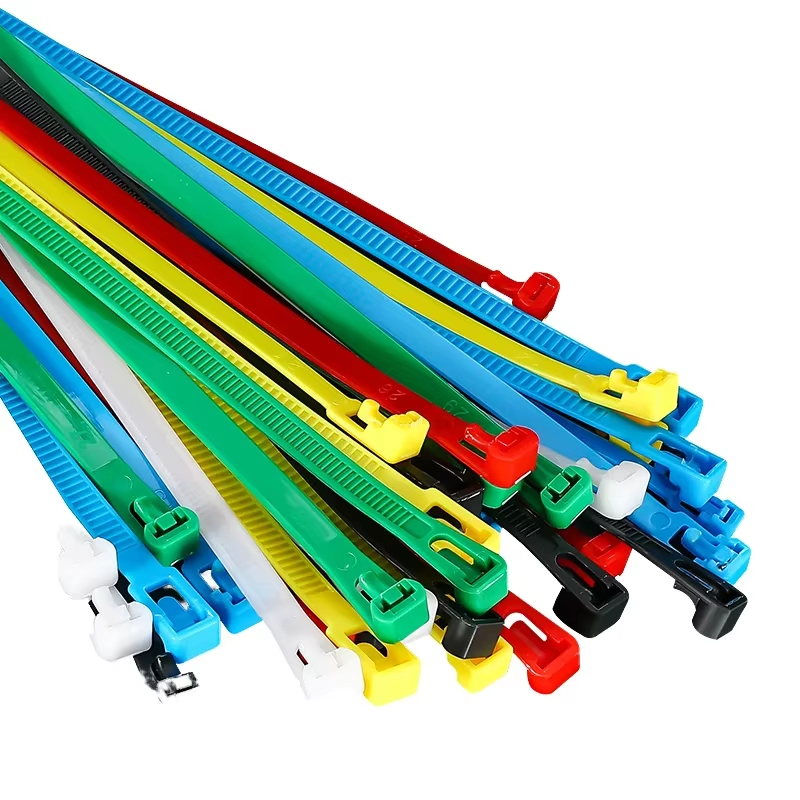
ナイロン対ポリプロピレン: 部品に高い荷重がかかる場合、耐摩耗性が求められる場合、あるいは高温下でも十分な剛性を維持する必要がある場合は、ナイロンを選択してください。吸湿性が低く、多くの水性化学物質に対して幅広い耐性を持ち、密度が低く、かつ単価の安さがより重視される場合は、ポリプロピレンを選択してください。.
万能な選択肢というものは存在しません。グレードを比較する前に、使用温度、持続荷重、接触する流体、寸法公差、および予想生産量を明確に定義してください。.

概要
| 決断の分かれ目 | ナイロン | ポリプロピレン | 技術チェック |
|---|---|---|---|
| 荷重と摩耗 | 通常はより強い | 軽作業に適しています | クリープと軸受応力を確認する |
| 水分 | より多くの水分を吸収する | 導入率が極めて低い | 条件付き寸法を定義する |
| ヒート | 通常、より高い剛性を維持する | 負荷温度マージンの低下 | 樹脂の種類だけでなく、実際のグレードを比較してください |
| 化学物質への曝露 | 油類や多くの炭化水素に有効 | 多くの場合、酸、アルカリ、および湿潤環境下での耐性がより高い | 濃度、温度、および露光時間を確認してください |
| 部品単価 | 樹脂および加工コストの上昇 | 通常は低い | 密度、サイクルタイム、および不良リスクを含める |
物件の直接比較
| プロパティ | PA66(乾燥) | PA66(コンデンセート) | PPホモポリマー | PPコポリマー |
|---|---|---|---|---|
| 引張強さ (MPa) | 80-85 | 50-55 | 30-38 | 25-30 |
| 曲げ弾性率 (GPa) | 2.8-3.0 | 1.2-1.5 | 1.2-1.5 | 0.9-1.2 |
| ノッチ付きアイゾット衝撃強度(kJ/m²) | 4-6 | 15-25 | 3-5 | 20~40(注:23°C時) |
| HDT @ 1.82 MPa (°C) | 70-80 | — | 50-60 | 45-55 |
| 連続使用温度(°C) | 100-130 | — | 80-100 | 80-100 |
| 密度 (g/cm³) | 1.14 | — | 0.90-0.91 | 0.90 |
| 吸水率(24時間、%) | 1.2-1.5 | — | <0.01 | <0.01 |
| 価格($/kg、ばら積み) | 3.00-4.50 | — | 1.50-2.50 | 1.80-2.80 |

ナイロンの真価:強度、耐熱性、耐摩耗性
ナイロンは、高温下での機械的荷重負荷が求められる用途において主流となっています。80°Cにおいて、乾燥状態のPA66は室温時の引張強度の60~70%を維持しますが、PPは30~40%まで低下します。 歯車、軸受、構造用ブラケットにおいては、ナイロンの曲げ弾性率が2~3倍高いため、同じ剛性を確保するために肉厚を薄くすることができ、ナイロンはPPよりも25%密度が高いにもかかわらず、部品の重量を軽減できる。 摩耗が伴う用途(歯車、摺動面)において、無充填ナイロンのPV限界は約0.09 MPa・m/sであるのに対し、PPは約0.03 MPa・m/sです。また、内部潤滑剤(MoS₂、PTFE)を添加することで、ナイロンのPV限界を0.2 MPa・m/s以上に引き上げることができます。.
PPが優れる点:耐薬品性、耐湿性、そしてコスト
ポリプロピレンは、実質的に吸湿の影響を受けません((飽和時の吸湿率は0.01%未満)であるため、水中、高湿度、および化学物質にさらされる用途において、デフォルトの選択肢となっています。 ナイロンは飽和時に2~8%の水分を吸収し(グレードによって異なります)、乾燥強度の30~40%を失い、寸法が0.5~1.5%膨張します。 また、PPは室温においてほとんどの酸、塩基、有機溶剤に対して耐性を示しますが、ナイロンは強酸、フェノール、酸化剤によって腐食されます。化学薬品タンクの用途においては、耐薬品性という観点だけでも、PPが採用される一方で、ナイロンは選択肢から外れます。.
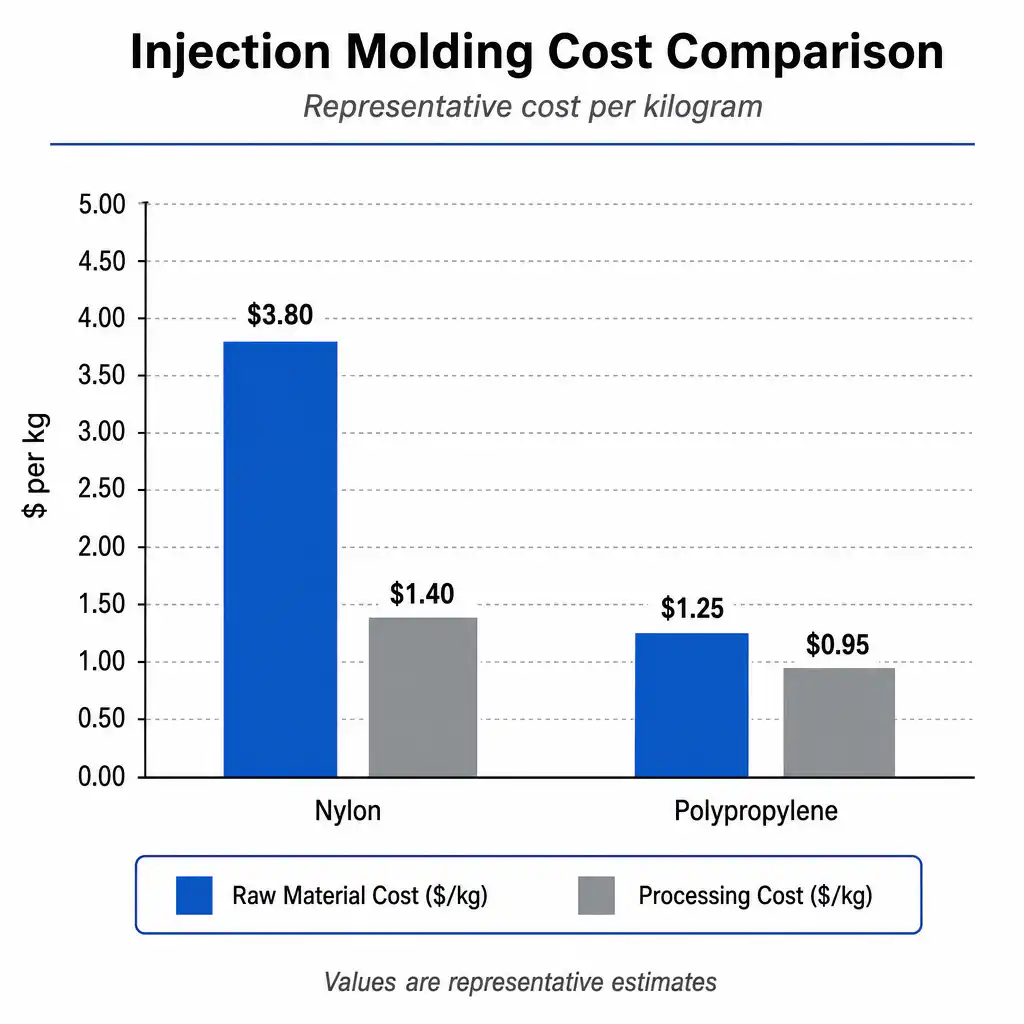
コスト面では、$1.50~2.50/kgのPPは、$3.00~4.50/kgのPA66よりも40~60%安くなります。 30 MPa以上の強度が不要な大量生産の消費財の場合、このコスト差は決定的な要素となります。 PP の密度が低いこと(0.90 対 1.14 g/cm³)により、部品あたりのコスト面での優位性はさらに拡大します。100 g の PA66 部品は、PP では 79 g となり、部品あたりの材料使用量が 21% 少なくなります。.
材料選定のための設計指針
- 連続使用温度が80°Cを超える場合は、ナイロンを使用してください: PPの熱変形温度(HDT)は、負荷がかかると50~60°Cまで低下します。エンジンルーム、電動工具、あるいは熱源の近くでの用途においては、ナイロン(PA66またはPA6)が最低基準となります。130°Cを超える場合は、PPAまたはPPSが必要になる場合があります。.
- 屋外や湿気の多い環境ではPPを使用してください: UV安定化処理が施されたPPグレード(2-3%カーボンブラックまたはHALS配合)は、長期間の屋外暴露にも耐えます。ナイロンはUV安定化処理が必要ですが、それでも表面品質の劣化はより早く進みます。水没状態や高湿度環境で使用される部品の場合、PPは吸湿性がゼロであるため、寸法変化が生じません。.
- 密度調整済みのコスト比較を実行します: 1個あたりの材料費 = (部品の体積 [cm³]) × (密度 [g/cm³]) × (樹脂単価 $/kg) ÷ 1000。 密度0.90のPP製部品の材料費は$2/kg × 0.90で、$1.80/Lとなります。 密度1.14のPA66($4/kg)の材料費は$4.56/Lとなる。これは、kg当たりの価格を比較する設計者にとって、2.5倍という差に驚かされる。.
- 妥協案として、ガラス繊維強化グレードを検討してみてはいかがでしょうか: PP-GF30は、約$2.50-3.50/kgの配合比で70~90 MPaの引張強度に達し、これは80 MPaの乾燥PA66に迫る値である。GFPPはナイロンほどの耐熱性には及ばないものの、常温で使用される構造部品においては、強度面での差を大幅に縮めている。.
- リビングヒンジ:PPのみ: ポリプロピレンは、高い耐疲労性と低い弾性率という独自の組み合わせにより、10⁶回以上の屈曲サイクルに耐えるリビングヒンジを確実に形成できる唯一の汎用プラスチックとなっています。一方、ナイロン製のリビングヒンジは、ノッチ感度が高く、剛性が高いため、数百回のサイクルで破損してしまいます。.
- 完全な曝露リストと照らし合わせて、化学物質の適合性を確認してください: ナイロンは、強酸(HCl、H₂SO₄)、フェノール、芳香族炭化水素、および塩化亜鉛溶液と接触すると劣化します。PPは、強酸化剤(濃硝酸、ハロゲン)と接触すると劣化し、芳香族炭化水素や塩素化炭化水素にさらされると膨潤します。 データシートだけでなく、実際のプロセス用化学薬品を用いて試験を行ってください。.
業界別適用マトリックス
| 産業 | 代表的な部品 | 材質/グレード | 主要要件 |
|---|---|---|---|
| 自動車のボンネット内 | エンジンカバー、インテークマニホールド、ラジエータータンク | PA66-GF30 | PPA または PA66(HDT >200°C) |
| 消費者向けパッケージ | 食品用容器、キャップ、栓 | PPホモポリマー/コポリマー | コスト <$2/kg + 食品接触用認可 |
| 電動工具 | ハウジング、ギアケース、ファンインペラー | PA6-GF30 | -20°Cでの衝撃およびモーターからの熱 |
| 化学処理 | タンク、継手、ポンプハウジング | PPホモまたはPP-GF20 | pH 1~14の範囲にわたる耐薬品性 |

コスト決定の枠組み
原材料: PPは$1.50~2.80/kg、PA66は$3.00~4.50/kg、PA6は$2.50~3.50/kgです。 特殊グレードではその差がさらに広がり、ガラス繊維強化PPは非強化ベース材に比べて$0.50~1.00/kg、ガラス繊維強化ナイロンは$1.00~2.00/kg上乗せされる。.
処理費用: PPはナイロンよりもサイクル時間が10~20%速い(溶融粘度が低く、冷却が速い)。 50gの部品の場合、サイクル時間20秒のPPと24秒のナイロンを比較すると、$30/hrの生産速度において、$0.02/部品の機械時間を節約できます。100万個以上の生産では、サイクル時間だけで$20,000の削減となります。.
故障コストに関する考察: ナイロン製の部品が湿気を吸収して膨張し、公差範囲を外れてしまった場合、その手直しコストは材料費の節約額を遥かに上回ります。逆に、PP製の部品が持続的な荷重によってクリープを起こし、製品が現場で使用中に故障した場合、その保証コストを考えると、ナイロンの割高感はむしろ安上がりだとさえ思えてきます。単に1kgあたりの価格だけでなく、その用途における主な故障モードに基づいて選択してください。.
素材別の一般的な欠陥
| 欠陥 | 外観 | 根本原因 | 解決策 |
|---|---|---|---|
| 反り/歪み | 型から取り出した後、一部が曲がったりねじれたりすることがある | 冷却ムラ;異方性収縮 | 冷却レイアウトを最適化し、肉厚の均一性を確認する <15% |
| 脆性破壊 | 変形することなく部品が外れる | ナイロン:成形時の乾燥が不十分。PP:紫外線・熱による劣化 | ナイロン:含水率を1.5~2.5%にする。PP:UV安定剤を添加する。 |
| 表面の剥離 | 層ごとに皮膚を剥離する | 汚染;不適合な再粉砕材;離型剤の堆積 | バレルを洗浄し、再粉砕量を <20%; 金型表面の清掃 |
| クリープ/永久変形 | 一部の部品が、持続的な荷重によって変形する | 負荷レベルに対して弾性係数が不十分です | GFグレードに変更する;リブを追加する;短期弾性率ではなく、クリープ弾性率を指定する |
等級を選ぶ前に確認すべき購入者チェックリスト
- 連続使用温度および最高使用温度を記録してください。.
- 継続的な構造荷重と、時折生じる衝撃荷重を区別する。.
- その部品がさらされる可能性のあるすべての化学物質、洗浄剤、油、および湿度条件を列挙してください。.
- 寸法は、成形直後の状態を基準とするか、それともコンディショニング後の状態を基準とするかを定義してください。.
- 樹脂の価格だけでなく、成形品のコストを比較してください。.
プロジェクトにナイロンプラスチックを選ぶ理由
精密製造
30以上のCNCおよび射出成形セルが1つの施設に集約
ISO 9001:2015 認証取得
認証済みの品質管理システム、完全な検査報告書
納期:15~25日
迅速な納期に対応し、優先処理オプションもご利用いただけます
国際配送
北米、欧州、アジアへの航空・海上輸送
「ナイロンとポリプロピレンの比較ガイド」をダウンロード
技術データ、設計ルール、サプライヤーチェックリストを掲載した無料のPDFリファレンスガイド。.
関連記事
よくある質問
ナイロンとポリプロピレン、どちらが強度が高いですか?
ナイロン(PA66)は、ポリプロピレンよりも約2~3倍強度が高い。乾燥状態のPA66の引張強度は80~85 MPaであるのに対し、PPホモポリマーは30~38 MPaである。 しかし、コンディショニング処理されたナイロン(50% RH平衡状態)では、引張強度は50~55 MPaまで低下しますが、それでもPPよりも約50%高い強度を維持しています。 剛性に関しては、ナイロンの曲げ弾性率(乾燥時)は2.8~3.0 GPaであり、PPの1.2~1.5 GPaの約2倍です。 ガラス繊維強化グレードを比較すると、強度の差は大幅に縮小します。PP-GF30は70~90 MPaに達し、無強化の乾燥PA66の強度に近い値となります。.
ナイロンとPPのどちらの方が耐薬品性に優れていますか?
ポリプロピレンは、はるかに優れた耐薬品性を備えています。PPは、室温から80°Cまでの範囲において、ほとんどの酸、塩基、アルコール、および水溶液に対して耐性を示します。 ナイロンは、強酸(HCl、H₂SO₄)、フェノール、芳香族炭化水素、熱水(80°C以上では加水分解が生じる)、および酸化剤によって侵食されます。化学物質の貯蔵、処理装置、および実験室での用途においては、ほぼ常にPPの方が適しています。 例外として、ナイロンは炭化水素(ガソリン、油、グリース)に対してPPよりも優れた耐性を示します。一方、PPは芳香族炭化水素や塩素化炭化水素にさらされると膨潤します。.
屋外での使用には、ナイロンとPPのどちらが適していますか?
どちらも未処理の状態では理想的とは言えません。どちらも紫外線によって劣化します。紫外線安定化処理が施されたPP(2%カーボンブラックまたはHALS添加剤を含む)は、紫外線安定化処理が施されたナイロンよりも耐候性に優れ、コストも安価です。PPは吸水しないため、水分を吸収したナイロンに生じうる凍結・融解による損傷(ひび割れ)が発生しません。 80°Cを超える屋外での長期構造用途においては、耐候性に制限があるとはいえ、ガラス繊維強化のUV安定化ナイロンがより適した選択肢となります。これは、PPがHDTに近づくにつれて機械的強度が低下するためです。.
なぜナイロンはポリプロピレンよりも高価なのでしょうか?
ナイロンの方がコストが高い理由は以下の通りです:(1) 原料となるモノマーの製造(PA66の場合はアジピン酸+ヘキサメチレンジアミン、PA6の場合はカプロラクタム)には、複数の段階からなる石油化学プロセスが伴うのに対し、PPはプロピレンの単一段階の重合で済むためです。 (2) 加工に必要なエネルギーが大きいこと――ナイロンの成形温度は260~300°Cであるのに対し、PPは200~240°Cである。 (3) 密度が高い(1.14 g/cm³ 対 0.90 g/cm³)ため、同じ部品の体積に対して重量で27%多くの材料が必要となる。この価格差に見合うのは、高い強度、耐熱性、および耐摩耗性であり、これらはエンジニアリング用途では価値があるが、単純な容器や低応力の消費財においては無駄となる。.
資料の審査を依頼する
図面、年間処理量、使用温度、負荷、および接触する流体についてお知らせください。金型製作や生産開始前に、適切なナイロンおよびポリプロピレンのグレードを比較検討いたします。.