
サービス
3D Printing Services for Prototyping and Production
3Dプリントとは何ですか?
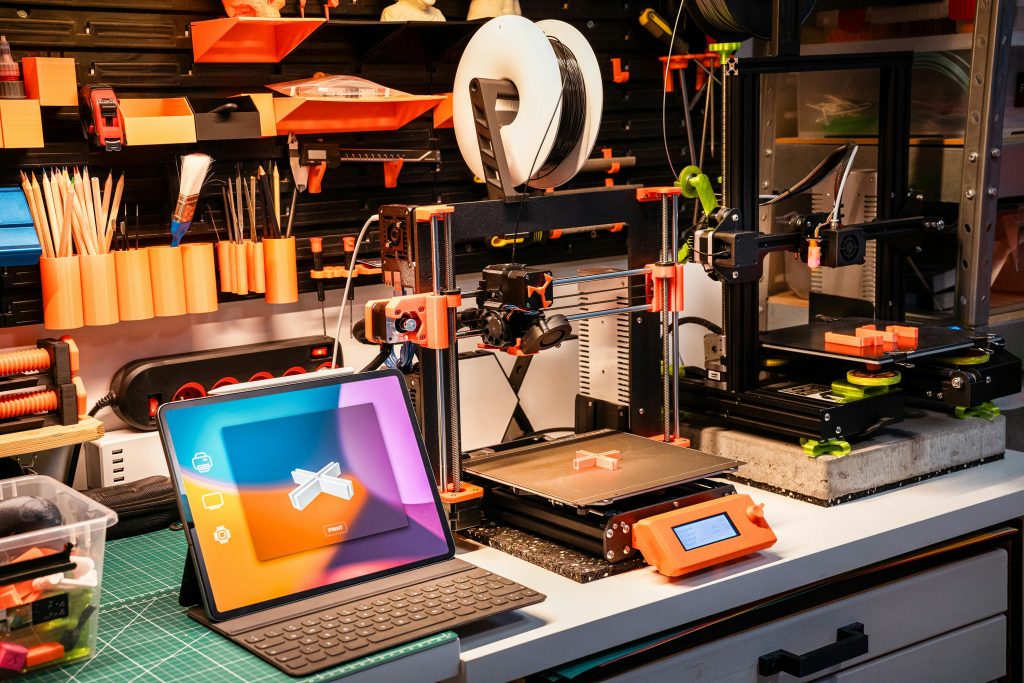
3Dプリンティングとは、デジタルデータから直接、立体的な実物を作り出す製造プロセスです。. この技術は、デジタルモデルを印刷機向けの指示に変換する専用ソフトウェアを利用しており、印刷機はポリマー、樹脂、金属粉末などのさまざまな原材料を用いて物体を造形します。.
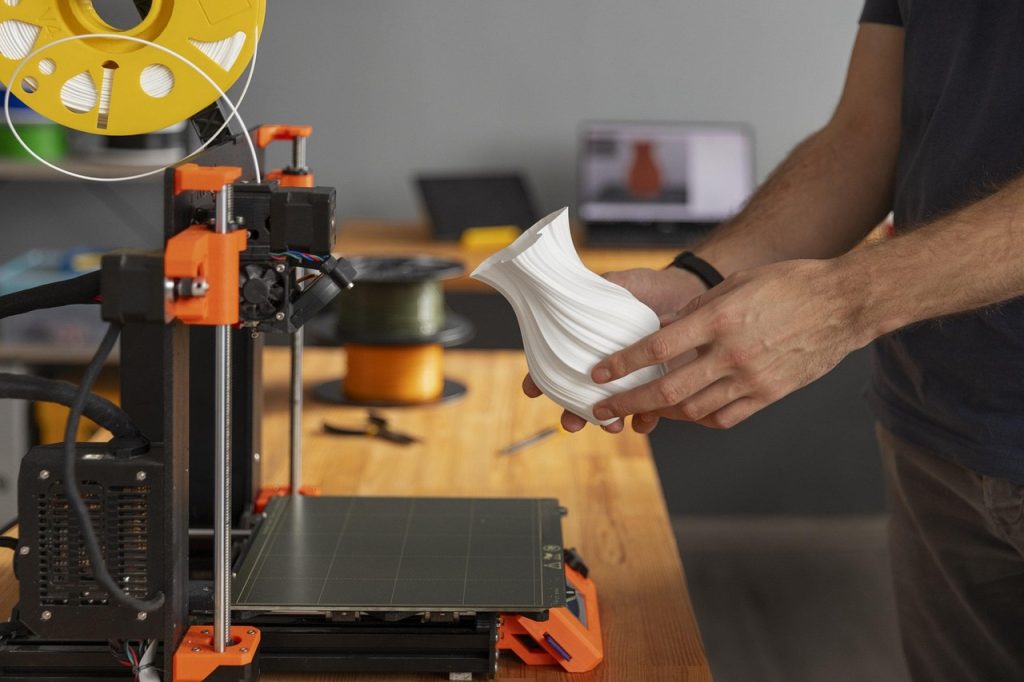
このプロセスは積層造形の原理に基づいており、プログラムの仕様に従って即座に固化するように設計された材料を層ごとに積み重ねることで、物体を形成します。プリンターの速度によっては、プロセス全体を通じて物体が徐々に形作られていく様子を観察することができます。.
このワークフローには、いくつかの重要な要素が組み込まれています。まず、CAD(コンピュータ支援設計)ソフトウェアで独自に設計されたもの、あるいはオンラインのモデルライブラリから入手した3Dモデルから始まります。モデルを入手した後、デジタルファイルは「スライシング」処理を経て、印刷の準備が整えられます。.
スライシングソフトウェアは、3Dモデルをデジタル処理により、多数の薄い水平層に分割します。その後、これらの層ごとの指示が、USB、Wi-Fi、またはその他のファイル転送方法を通じて3Dプリンターに送信されます。準備されたファイルが読み込まれると、印刷プロセスが開始されます。.
3Dプリンターの準備を整え、ファイルを読み込んだ後、製造プロセスが開始されます。完成までの時間は、オブジェクトの複雑さやプリンターの性能によって異なり、数分から数時間かかります。この技術は驚くほどの設計の自由度を提供し、想像しうるほぼあらゆる形状の制作を可能にします。.
3Dプリンティング用材料の概要
材料選定ガイド:
金属: 高強度・耐熱性を要する用途に最適
エンジニアリングプラスチック: 機能性プロトタイプや実用部品に最適
特殊ポリマー: 柔軟性や耐薬品性が求められる部品に最適
フォトポリマー樹脂: 細部まで精巧なモデルや視覚的なプロトタイプの作成に最適です
| 素材カテゴリー | 材料の種類 | 主要物件 | 一般的なアプリケーション |
|---|---|---|---|
| 金属 | アルミニウム | 軽量で、重量対強度比に優れている | 自動車部品、航空宇宙部品 |
| 銅 | 優れた熱伝導性および電気伝導性 | 熱交換器、電気部品 | |
| ステンレス鋼 | 耐食性、耐久性 | 医療機器、工業用部品 | |
| チタン | 高強度、生体適合性 | 航空宇宙、医療用インプラント | |
| プラスチック・ポリマー | ABS | 耐衝撃性があり、耐久性に優れている | 試作品、消費者向け製品 |
| PA(ナイロン) | 丈夫で、柔軟性があり、耐摩耗性に優れている | 機能部品、歯車、ヒンジ | |
| ポリカーボネート | 高強度、透明 | エンジニアリング部品、保護具 | |
| ポリプロピレン | 耐薬品性があり、柔軟性がある | リビングヒンジ、容器 | |
| TPU | 柔軟で、ゴムのような | ガスケット、シール、フレキシブル部品 | |
| 樹脂 | デジタルフォトポリマー | 精細で滑らかな表面 | 精巧な試作品、歯型模型 |
当社の3Dプリントプロセス
製品開発のあらゆる段階に対応する先進製造技術
3Dプリントサービスに関するよくある質問
Send the controlled 3D model, intended use, material or performance requirements, quantity, critical dimensions, appearance needs, inspection method and delivery destination. Identify the file revision and any assembly or test conditions.
Choose the process around the validation goal, not the technology name alone. Compare geometry, feature size, surface, anisotropy, support removal, material behavior, quantity and post-processing before selecting SLA, SLS, FDM, PolyJet, MJF or another route.
Define load, temperature, chemicals, moisture, flexibility, flame or electrical requirements and the required material record. For polyamide-specific questions, use the nylon 3D printing guide and verify the exact grade and conditioning state in the quote.
Tolerance depends on process, machine, material, orientation, feature size, support strategy, post-processing and measurement method. Mark critical dimensions and datums on the drawing, then agree conditioning, fixture, sample size and report format before production.
These depend on the selected machine, part envelope, nesting, material availability, finishing, inspection and queue. Ask the quotation to state the machine/process, usable build envelope, part orientation, batch quantity, included operations and milestone dates.
Use the plastic prototype manufacturing comparison when the decision depends on production-grade material, tighter machined features, molded shrinkage, repeat quantity or the transition to tooling. A route comparison should state what evidence the prototype must provide.
Request a 3D Printing Review
Send the model, drawing, material or performance requirement, quantity, critical dimensions, finish and inspection needs. The quotation should identify its assumptions and the selected process.