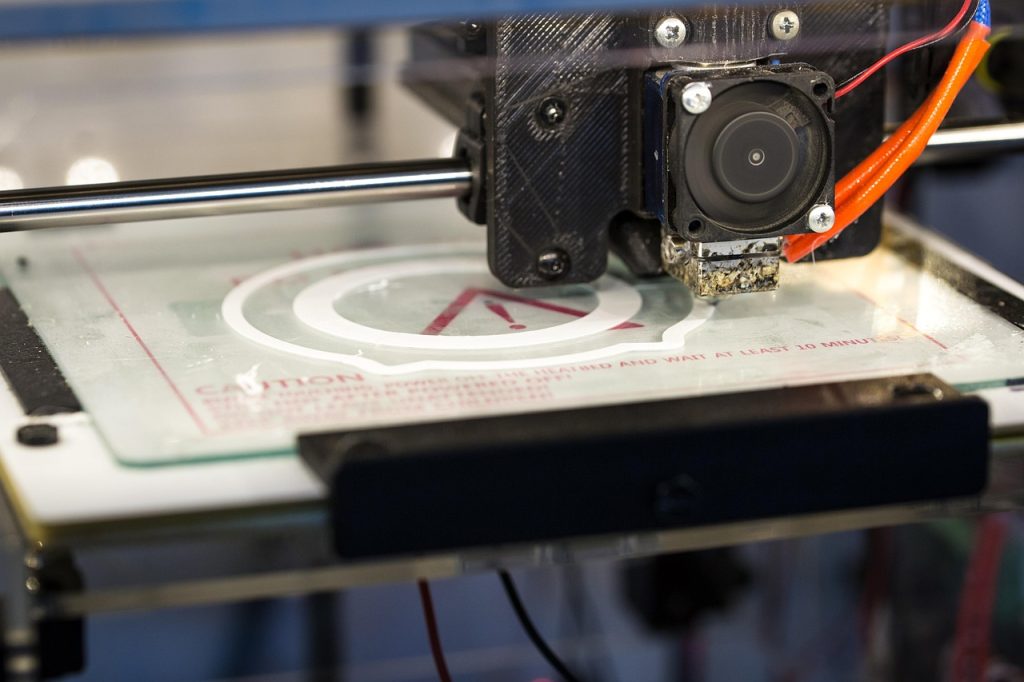
選択的 これは、選択肢を比較したり、限界を確認したり、リスクの少ないプロセスを選定したりする必要がある場合、実用的な工学上のテーマとなります。.
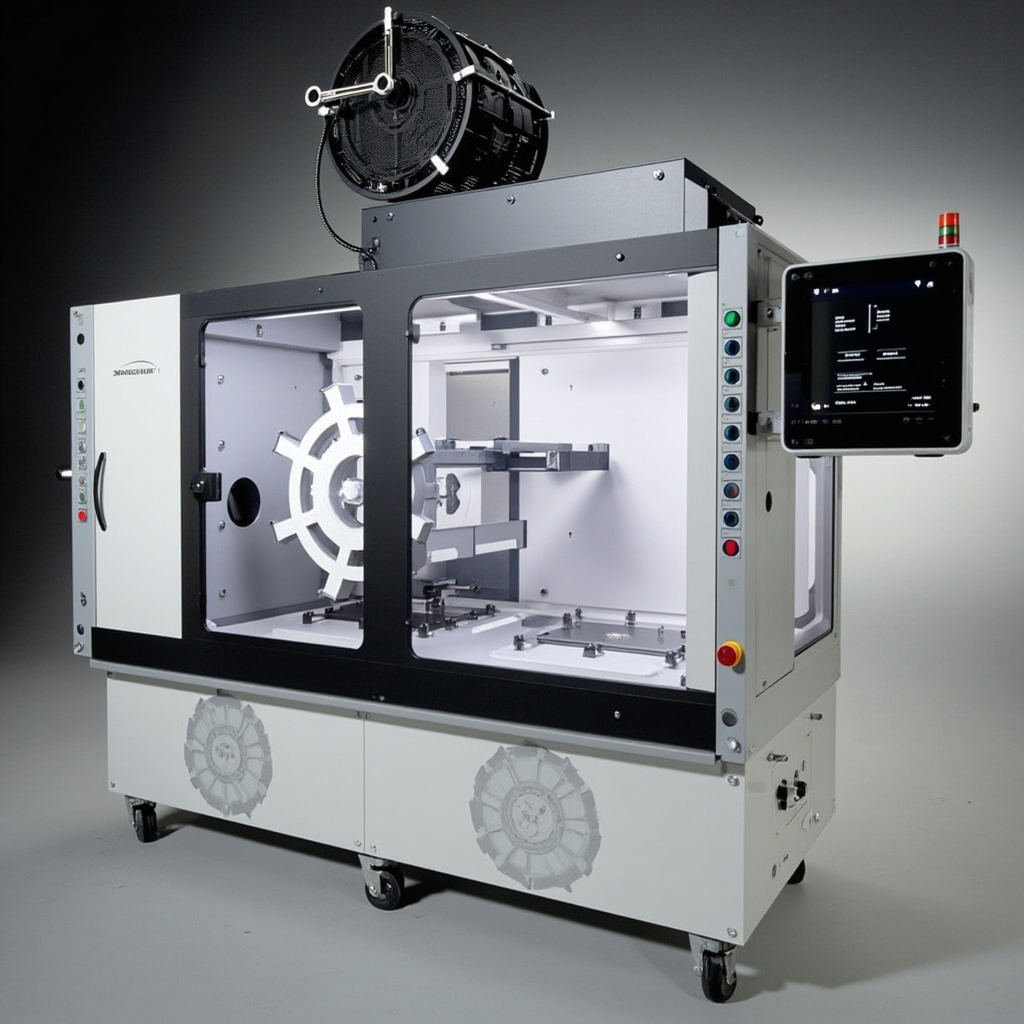
選択的レーザー焼結(SLS)は、粉末を原料とする積層造形プロセスであり、高出力レーザーを用いて熱可塑性樹脂(通常はナイロン)の微粒子を溶融させ、立体的な3D部品を成形します。 SLSの最も大きな利点の一つは、周囲の未焼結粉末が張り出し部分を自然に支えるため、支持構造体を設けることなく部品を造形できることです。このため、SLSは複雑な形状や量産レベルの機能部品の製造に最適です。.
SLS 3Dプリンティングの仕組み
SLSプロセスは、材料の融点よりわずかに低い温度に保たれた加熱チャンバー内の造形プラットフォーム上に、ポリマー粉末(最も一般的なのはナイロン)を薄く均一に敷き詰めることから始まります。その後、高出力のCO₂レーザーがCADモデルの断面を走査し、レーザーが照射された箇所で粉末粒子を焼結させます。 各層の形成後、プラットフォームは1層分の厚さだけ下降し、その上に新しい粉末の層が敷き詰められ、このプロセスが繰り返されます。.
造形が完了したら、反りを防ぐため、造形チャンバー全体をゆっくりと冷却させます。その後、未焼結の粉末から部品を取り出します。この粉末はリサイクルが可能で、今後の造形用に新しい粉末と混ぜて再利用できます。.
SLS技術の主な利点
支持構造が不要
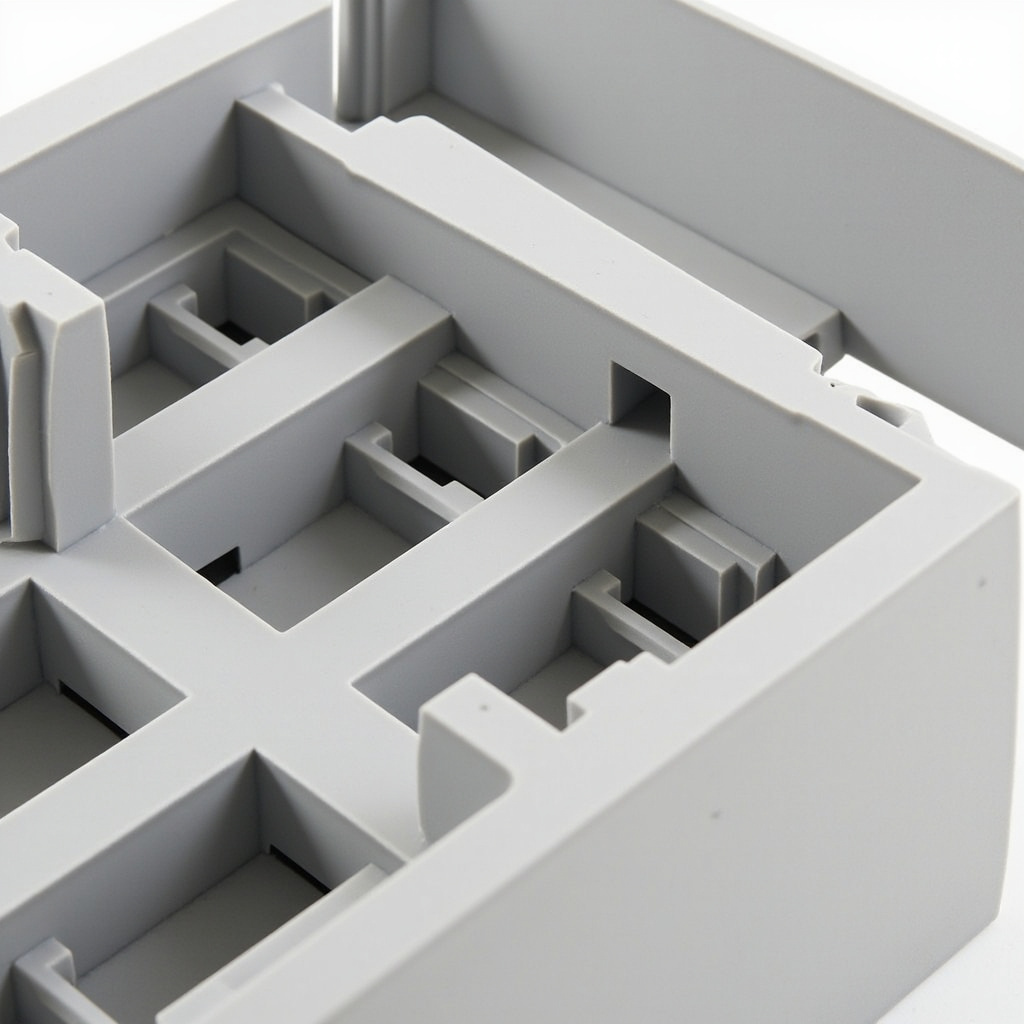
おそらくSLSの最大の利点は、部品に専用のサポート構造を必要としないことです。焼結前の粉末層が、アンダーカット、内部空洞、複雑な格子構造など、あらゆる形状を支えます。これにより、FDM、SLA、あるいはCNC加工では実現不可能な設計の自由度が得られます。.
優れた機械的特性
SLS-ナイロン製部品は、強度、耐久性、耐衝撃性に優れており、単なる試作品にとどまらず、実用的な最終製品としても適しています。溶融ナイロン構造により、あらゆる方向で均一な等方性の機械的特性を発揮します。.
複雑な形状における設計の自由度
支持構造の制約がないため、SLSでは、機械加工や成形では不可能、あるいは極めてコストがかかるような、リビングヒンジ、コンフォーマルチャネル、複雑な格子構造、オーバーモールド形状など、極めて複雑な部品の製造が可能になります。.
コスト効率に優れたバッチ生産
粉末ベッド上で複数の部品を同時に成形できるため、SLSはバッチ生産において非常に高い効率を発揮します。造形領域内に複数の部品を配置できるため、ロットサイズが大きくなるにつれて部品あたりのコストが大幅に低下し、中小ロットの生産においては射出成形よりもはるかに経済的です。.
素材の汎用性
最新のSLSシステムでは、エンジニアリンググレードのナイロン材料の対応範囲が拡大しています:
| 素材 | 主要物件 | アプリケーション |
|---|---|---|
| PA12(ナイロン12) | 高強度、優れた耐薬品性 | 機能部品、航空宇宙、自動車 |
| PA11(ナイロン11) | 生体由来、延性があり、耐衝撃性がある | 医療、消費財 |
| ガラス繊維強化ナイロン | 剛性の向上、寸法安定性の向上 | 構造部材、治具、および |
| TPUエラストマー | 柔軟で、弾力があり、反発力に優れている | シール、ガスケット、履物、ソフトタッチ部品 |
| アルミド(PA12+アルミニウム) | メタリックな外観、高い剛性 | 機能試作機、展示用モデル |
一般的なアプリケーション
SLSの耐久性と設計の自由度の高さにより、この技術はさまざまな業界で主力技術として活用されています:
- 機能的な最終用途部品: 耐久性に優れたブラケット、クリップ、筐体、および構造部品
- 自動車 カスタム内装部品、エアベント、ダッシュボードの試作部品、および少量生産部品
- 家電製品: 耐久性に優れたハウジング、保護ケース、人間工学に基づいたグリップ
- 産業用工具: 現場の過酷な環境にも耐える治具、金型、および製造補助具
- 医療機器: 整形外科用インソール、義肢、および手術計画用モデル
- 複雑なアセンブリ: 内部に流路があり、一体型のリビングヒンジを備えた部品で、他の方法では製造できないもの
SLSに関する設計上の考慮事項
表面仕上げ
SLSで造形されたばかりの部品は、表面がやや粗く、マットな質感で、粒状の表面(Ra 約8~15マイクロメートル)となっています。この質感は、メディアタンブリング、サンドブラスト、または化学的平滑化(ベーパーホーニング)によって軽減することができます。黒やその他の色に染色された部品は、より完成度の高い外観に仕上げることができます。.
肉厚と公差
小型部品の場合、推奨される最小肉厚は0.8mmであり、大型部品では1.5mmまで拡大されます。一般的な寸法公差は±0.3%で、最小公差は±0.3mmです。設計者は、冷却時の等方性収縮を約2~3%分考慮に入れる必要があります。.
湿度と保管
ナイロン粉末は吸湿性があり、空気中の水分を吸収します。新品の粉末も再生粉末も、使用前に乾燥させる必要があります。部品は、機械的特性に影響を及ぼす可能性のある吸湿を防ぐため、乾燥した環境で保管してください。.
よくあるご質問
選択的レーザー焼結(SLS)による3Dプリントサービスは、どのような場合に適しているのでしょうか?
選択的レーザー焼結(SLS)による3Dプリントサービスは、成形部品の単価よりも、迅速な反復設計、複雑な形状、低コストの金型製作、あるいは少量生産が重視される場合に適した選択肢です。.
選択的レーザー焼結(SLS)による3Dプリントサービスを選ぶ前に、どのような点を確認すべきでしょうか?
部品サイズ、材料特性、表面仕上げ、寸法公差、熱暴露、荷重方向、後処理が必要かどうかを確認する。.
選択的レーザー焼結(SLS)による3Dプリントサービスは、CNC加工と比べてどうでしょうか?
3Dプリンティングは複雑な形状を素早く作ることができるが、CNC機械加工は精密な表面、より厳しい公差、生産グレードの材料に強いことが多い。.
選択的レーザー焼結(SLS)による3Dプリントサービスの費用には、どのような要因が影響するのでしょうか?
コストは、材料、造形量、印刷時間、レイヤーの高さ、サポート除去、仕上げ、検査、造形物の部品数によって異なる。.