ABS(アクリロニトリル・ブタジエン・スチレン)は、今日の製造業界において最も広く使用されているエンジニアリング熱可塑性プラスチックの一つです。自動車のダッシュボードから家電製品の筐体、レゴブロックに至るまで、あらゆる製品に用いられています。しかし、この素材がこれほど多用途である理由は一体何なのでしょうか。また、次のプロジェクトにABSが適しているかどうかを、どのように判断すればよいのでしょうか。
このガイドでは、ABS樹脂の機械的特性を詳しく解説し、代替材料との比較を行い、CNC加工、射出成形、3Dプリントといった主要な製造プロセスにおけるその性能について説明します。これにより、皆様が十分な情報に基づいて材料選びを行えるようになります。.
ABS樹脂は何でできているのか?
ABSは三元共重合体であり、3種類の異なるモノマーが化学的に結合して構成される材料です:
- アクリロニトリル 耐薬品性と熱安定性を備えている
- ブタジエン 耐衝撃性と靭性を高める
- スチレン 高い剛性と光沢のある表面仕上げを実現します
これらの成分の正確な配合比率はグレードによって異なるため、ABSは単一の材料ではなく、さまざまな配合からなる材料群となっています。 汎用ABSには通常、重量比でスチレンが約50%、アクリロニトリルが30%、ブタジエンが20%含まれていますが、特殊グレードではこの比率が大きく異なる場合があります。.
ABS樹脂の主な特性
ABSは、エンジニアリングプラスチックの分野において、実用的な中間的な位置を占めています。ポリスチレンよりも強靭で、ポリカーボネートよりも手頃な価格であり、多くの高性能な代替素材よりも加工が容易です。.
| プロパティ | 価値 | 備考 |
|---|---|---|
| 密度 | 1.04 g/cm³ | 軽量で、PPに似ている |
| 引張強度 | 40~50 MPa | 中程度の強度 |
| 衝撃強さ(ノッチ付きアイゾット) | 200~400 J/m | ブタジエンによる優れた靭性 |
| 熱偏向温度 | 88~98℃ (HDT-A) | 高温環境での使用には適していません |
| ガラス転移温度(Tg) | 約105℃ | この温度以上になると柔らかくなる |
| 溶融温度 | 220~250℃ | 射出成形の加工範囲 |
| 曲げ弾性率 | 2,100~2,500 MPa | 優れた寸法安定性 |
 #ddd;”>吸水率(24時間) |
0.2-0.4% | 低い;湿度の高い環境では安定している |
ABS樹脂のグレードとバリエーション
ABSにはさまざまな種類があります。グレードによって用途が異なります:
高衝撃性ABS
ブタジエン含有量を増やすことで、耐衝撃性が劇的に向上します。保護具、工具の筐体、および落下試験の性能が重要な用途に使用されます。.
ABS-FR(難燃性)
UL94 V-0またはV-2規格に適合するよう、難燃剤処理が施されています。電気機器の筐体、自動車の内装、および民生用電子機器に不可欠です。.
ABS-PC(ABS・ポリカーボネートブレンド)
グラス
s-繊維強化ABS
10-30%ガラス繊維補強材は、剛性と寸法安定性を高める一方で、耐衝撃性は低下します。荷重がかかる構造部品に適しています。.
ABS-ESD(静電気放電)
静電気を除去するように配合された特殊グレードです。静電気放電によって高感度な部品が損傷する恐れのある電子機器製造環境において、不可欠な製品です。.
製造分野におけるABS:CNC加工、射出成形、3Dプリント
CNC加工(ABS)
ABSは、標準的なCNC加工機できれいに加工できます。バリの発生を最小限に抑え、滑らかな表面が得られ、切りくずも工具の溝を詰まらせることなくスムーズに排出されます。主な留意点:
- 鋭利な超硬合金またはPCD製の工具を使用してください。ABSは研磨性が強いため、量産工程ではHSS工具の刃先がすぐに鈍ってしまいます。
- クライムミリングは、上面のバリの発生を抑えます
- 水性クーラントは、高速切削時の熱による軟化を防ぎます
- クランプ力は適切に制御する必要があります。ABSは金属よりも圧縮されやすいため、過度な圧力をかけると部品が歪んでしまいます。
ABSの射出成形
ABSは、射出成形に適した許容範囲の広い素材であり、加工範囲が広いのが特徴です:
- 溶融温度:220~260℃
- 金型温度:40~80℃
- 射出圧力:60~100 MPa
- 収縮率:0.4~0.7%(中程度、予測可能)
反りは最も一般的な欠陥であり、特に薄肉部品や大型の平坦な部品で発生しやすい。適切な肉厚設計とバランスのとれたゲート配置により、これを軽減できる。また、ABSは湿気を吸収するため、成形前に80~85℃で2~4時間乾燥させることで、スプレイ欠陥を防ぐことができる。.
ABSを用いた3Dプリント
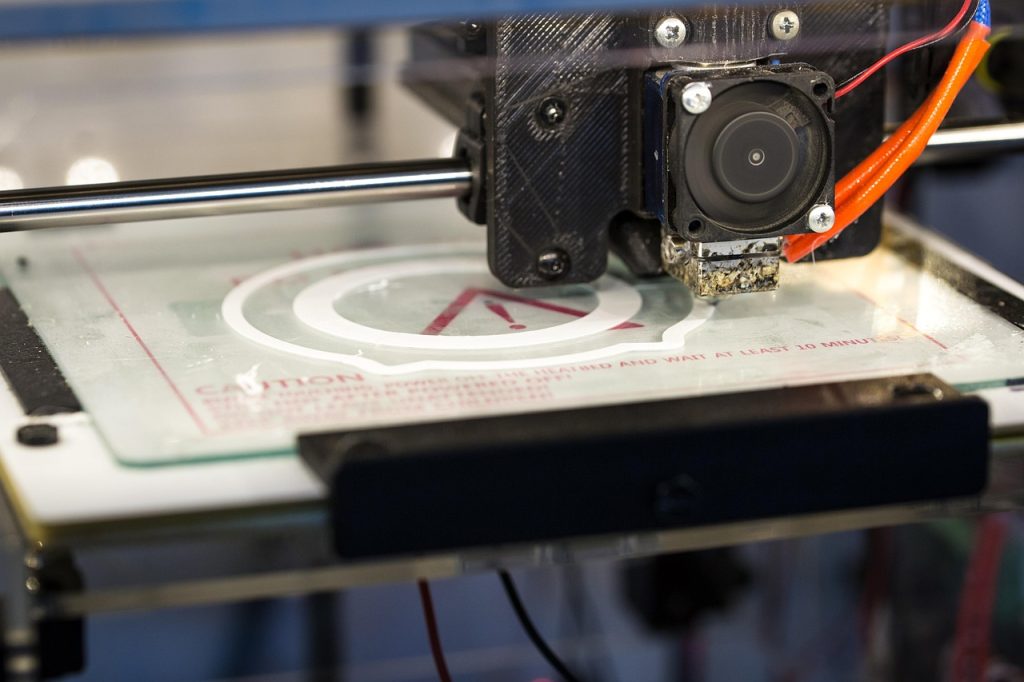
ABSフィラメントは、加熱ベッド(100~110℃)上で230~260℃でプリントします。冷却のムラによる反りを防ぐため、密閉型のプリントチャンバーが必要です。主な要件:
- 筐体内の周囲温度は35℃以上に保たれています
- PEIまたは接着促進剤を塗布したガラス基板
- 最初の数層では、アクティブパーツ冷却ファンは低速で動作させるか、停止させる必要があります
- ABSは吸湿性があるため、印刷前にフィラメントを乾燥させてください
ASAは、優れた耐紫外線性を持つため、屋外用途ではABSよりも好まれることが多いが、印刷特性はABSと似ており、反りに関する課題も同様である。.
ABSとその他のエンジニアリングプラスチック
| プロパティ | ABS | ポリカーボネート | ナイロン(PA6) | POM(アセタール) |
|---|---|---|---|---|
| 耐衝撃性 | グッド | 素晴らしい | グッド | 中程度 |
| 耐熱性 | 中程度(88C) | 高温(135℃) | 高温(190℃) | 中程度(95C) |
| 耐薬品性 | 中程度 | 中程度 | グッド | 素晴らしい |
| 水分吸収 | 低(0.3%) | 中程度 (0.15%) | 高(9%) | 低(0.2%) |
| 加工性 | 素晴らしい | グッド | 中程度 | グッド |
| コスト水準 | 低~中 | 中~高 | ミディアム | 中~高 |
ABSの一般的な用途
ABSは、そのバランスのとれた物性プロファイルにより、幅広い産業用および民生用用途に適しています:
- 自動車: 計器盤、内装トリム、シート操作部、ミラーハウジング――そのほとんどがABSまたはABS-PCブレンド材を使用している
- エレクトロニクス: コンピュータのキーボードのキャップ(代表的な例)、テレビの筐体、電動工具のケース、充電器の本体
- 消費財: スーツケースのシェル、ヘルメットの内張り、家電製品のパネル、ラジコンホビー用パーツ
- インダストリアル: 配管継手、ポンプケーシング、計装用エンクロージャー、コンベヤ部品
- 医療用(グレードによる): 診断機器の筐体、薬剤送達デバイスの構成部品――生体適合性グレードが必要
ABSを用いた当社の製造能力
当社は、試作および小~中ロット生産向けのABS部品の機械加工および成形を行っています。当社の施設では、以下の業務に対応しています:
- 公差±0.01 mmのABS部品のCNCフライス加工および旋盤加工
- 試作数量(50~5,000個以上)でのABS樹脂の射出成形
- FDM方式によるABS 3Dプリント:機能性プロトタイプおよび金型補助用
- 後処理:塗装、メッキ、超音波溶接、パッド印刷
よくあるご質問
『ABS樹脂とは? 特性、用途、製造ガイド』はどのような場合に適しているのでしょうか?
『ABS樹脂とは? 特性、用途、製造ガイド』は、成形品の単価よりも、迅速な試作、複雑な形状、金型コストの低減、あるいは少量生産が重視される場合に最適な選択肢となります。.
『ABS樹脂とは? 特性、用途、製造ガイド』を選ぶ前に、どのような点を確認すべきでしょうか?
部品サイズ、材料特性、表面仕上げ、寸法公差、熱暴露、荷重方向、後処理が必要かどうかを確認する。.
『ABS樹脂とは? 特性、用途、製造ガイド』は、CNC加工と比べてどうでしょうか?
3Dプリンティングは複雑な形状を素早く作ることができるが、CNC機械加工は精密な表面、より厳しい公差、生産グレードの材料に強いことが多い。.
『ABS樹脂とは? 特性、用途、製造ガイド』の価格に影響を与える要因は何ですか?
コストは、材料、造形量、印刷時間、レイヤーの高さ、サポート除去、仕上げ、検査、造形物の部品数によって異なる。.