プラスチック部品が衝撃を受けて割れたり、組み立て中に予期せず変形したりする場合、その根本原因は、手遅れになるまでエンジニアが見落としがちな材料特性、すなわち「延性」にあることがよくあります。 材料が応力下でどのように振る舞うか――単に破断点においてだけでなく、その前段階においても――を理解することは、実使用に耐える部品と、現場で故障する部品との違いを決定づける要因となります。.
このガイドでは、プラスチックにおける延性とは何か、一般的なエンジニアリング材料間でどのように異なるか、その測定方法、そしてその知識を部品設計や製造にどのように活用するかについて解説します。.
延性とは何か?
延性とは、材料が引張応力下で破断する前に変形する能力のことです。延性の高い材料は、破断することなく、細い線状に引き伸ばしたり、大きく曲げたりすることができます。一方、脆い材料は、塑性変形がほとんど、あるいは全く生じないまま破断し、多くの場合、前兆もなく破断します。.
次のように考えてみてください。チョークを曲げると折れてしまいますが、銅線を曲げても変形はするものの、そのままの形状を保ちます。プラスチックは、その化学組成、グレード、温度、ひずみ速度によって、これら両極端の間にあるさまざまな挙動を示します。.
プラスチック部品において、延性が最も重要となるのは、次のような場合です:
- 部品は使用中に衝撃荷重を受ける
- 組み立てには、圧入、スナップフィット、または曲げ加工が必要です
- 部品は、ひび割れを起こさずにエネルギーを吸収しなければならない
- 熱膨張や熱収縮によって内部応力が生じる
延性の測定方法
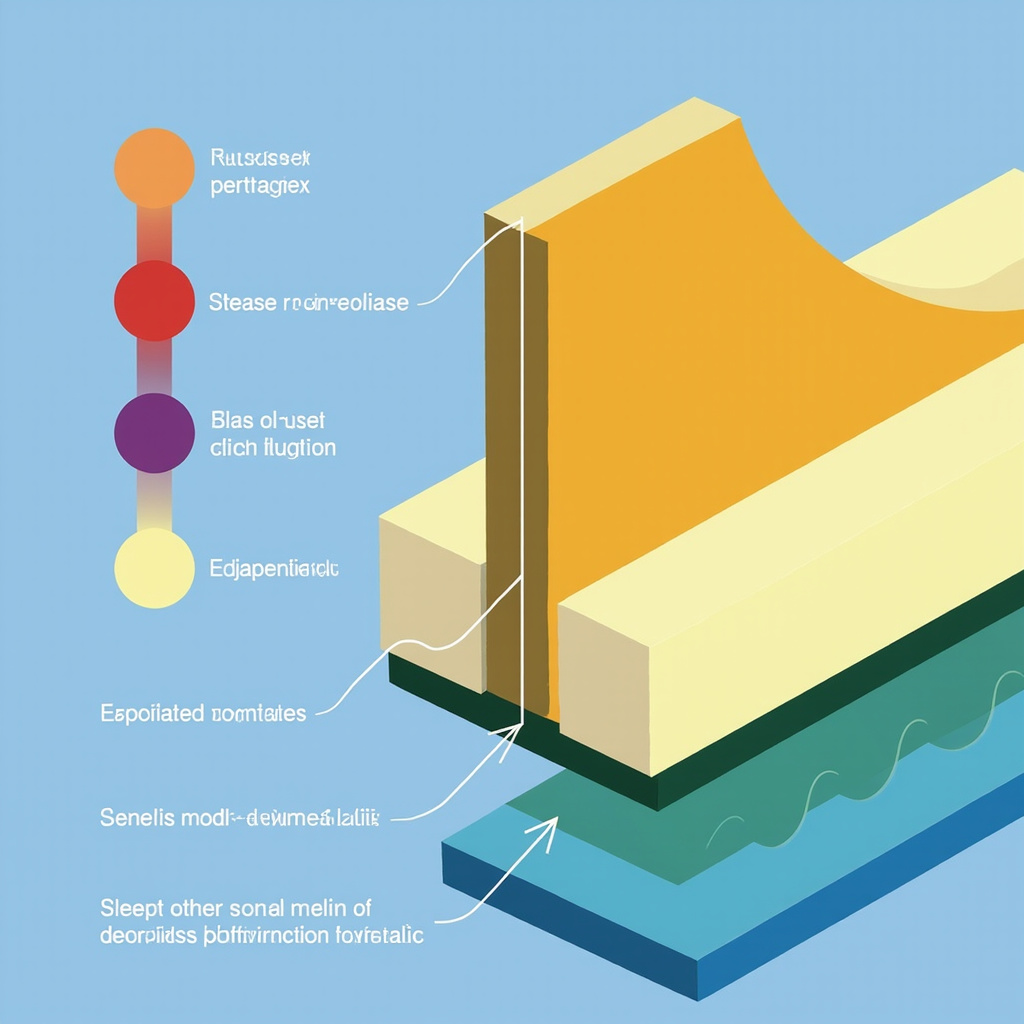
破断時の引張伸び
最も一般的な評価指標です。パーセンテージで表され、引張荷重がかかった際に試験片が破断するまでにどれだけ伸びるかを測定します。伸び率が高いほど、その材料の延性が高いことを示します。.
- もろいプラスチック: 破断伸び 1-5%(PS、PMMA、一部の充填ポリマー)
- 中程度の延性: 5-50%(ABS、PC、PA6)
- 延性が極めて高い: 50-400%+(HDPE、LDPE、TPU、一部の柔軟性のあるナイロン)
降伏強度と引張強度の比較
延性のある材料には、特徴的な 降伏点—恒久的な(塑性)変形が始まる応力レベル。この点に達するまでは、変形は弾性変形であり、荷重を取り除くと部品は元の形状に戻る。降伏点を超えると、変形は恒久的なものとなる。.
脆性材料には降伏点がありません。破断点に至るまで弾性変形を続け、その後、予兆なく破断します。.
ノッチ付き衝撃強度(アイゾット/シャルピー)
衝撃試験は、材料がどれだけのエネルギーを吸収するかを測定する
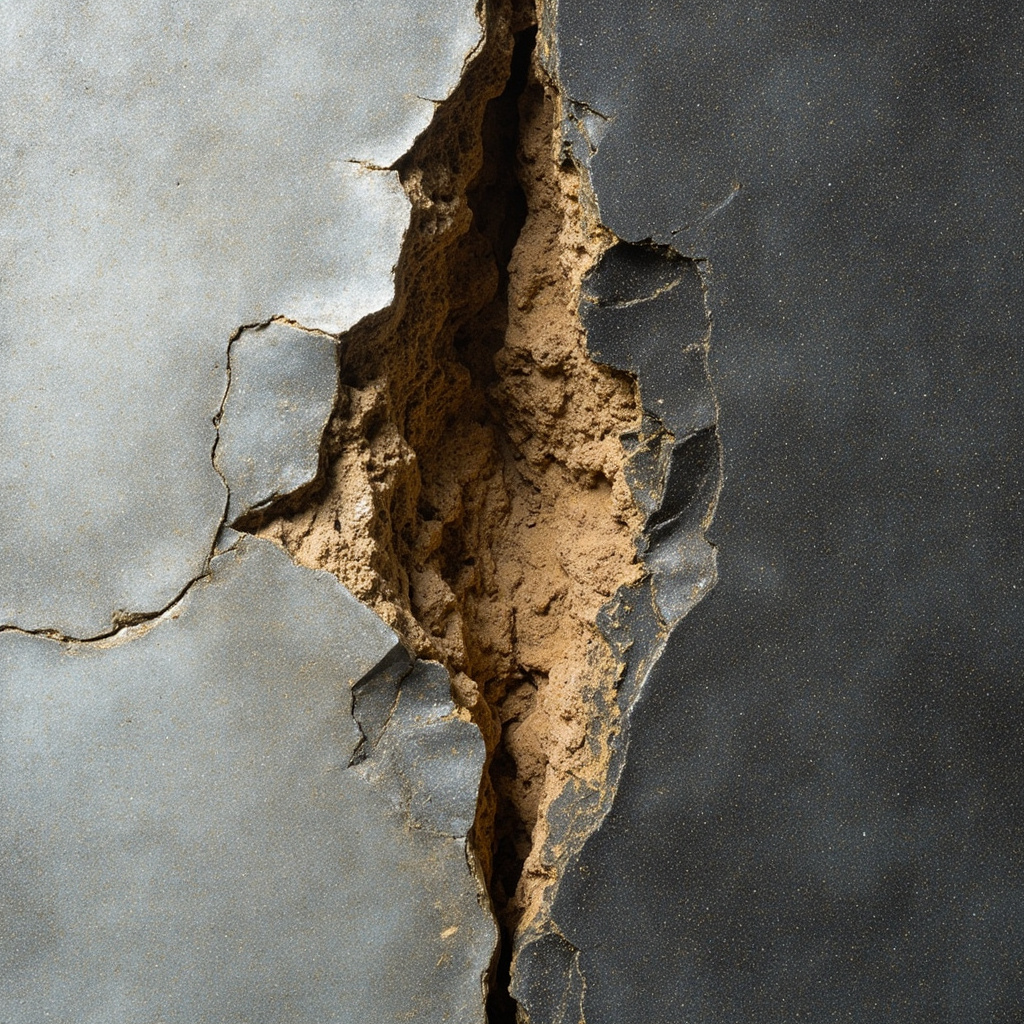
打撃を受けた際のbs。ノッチ加工を施した試験片を用いることで、材料のき裂進展に対する耐性を評価します。これは、ゲート、壁、あるいは形状の変化によってほぼ常に応力集中が生じる実際の部品にとって、より現実的な試験条件と言えます。.
エンジニアリングプラスチック間の延性比較
| 素材 | 破断伸度 | 衝撃強度(ノッチ付きアイゾット試験) | 利回り動向 |
|---|---|---|---|
| HDPE | 100-1000% | 70~150 J/m | 延性が極めて高く、冷間引抜き加工が可能 |
| LDPE | 200-600% | 50~100 J/m | 非常に延性が高く、ゴムのような感触 |
| TPU(ショア85A) | 300-600% | 休みなし(柔軟に対応) | 弾性回復、降伏なし |
| ナイロン6(PA6) | 50-200% | 40~150 J/m | しなやかで、衝撃を吸収する |
| ABS | 10-50% | 200~400 J/m | 適度な延性がある |
| ポリカーボネート(PC) | 60-120% | 600~900 J/m | 延性が高く、耐衝撃性に優れる |
| POM(アセタール) | 25-75% | 50~80 J/m | 中程度、ノッチに敏感 |
| PMMA(アクリル) | 2-5% | 15~30 J/m | もろく、ひび割れやすい |
| PS(ポリスチレン) | 1-3% |
 “padding:12px;border:1px solid #ddd;”>10~20 J/m |
非常にもろい |
| ガラス繊維強化ナイロン | 3-10% | 60~120 J/m | 充填されていないものよりも延性が低い |
プラスチックの延性に影響を与える要因
温度
ほとんどのプラスチックは、温度がガラス転移温度(Tg)を下回ると延性を失い、脆くなります。例えばナイロンは、可塑剤の役割を果たす水分を吸収することで、低温でも延性を維持しますが、完全に乾燥した状態では、0℃以下でかなり脆くなります。.
水分含有量
水分は、ナイロンやPCなどの吸湿性材料に対して可塑剤としての役割を果たします。完全に乾燥したナイロンは脆いですが、適切に調整されたナイロンは延性があり、耐衝撃性に優れています。これは、保管、加工、および最終使用環境において重要な意味を持ちます。.
ひずみ速度
プラスチックは、緩やかな荷重がかかった場合と急激な衝撃を受けた場合とでは、その挙動が異なります。準静的荷重下では延性があるように見える材料でも、高速衝撃を受けると脆性破壊を起こすことがあります。だからこそ、衝撃試験は重要であり、引張試験とは異なるのです。.
添加剤および充填剤
ガラスや炭素繊維による補強は、剛性と強度を高める一方で、延性を低下させます。衝撃改質剤(ABSに含まれるブタジエンなど)は、加工性を損なうことなく、特に延性と耐衝撃性を向上させます。.
ノッチおよび部品の形状
鋭い角、壁厚の急激な変化、ゲートの位置、および溶接線は、いずれも応力集中を引き起こし、有効延性を低下させます。適切な半径の段差処理と均一な肉厚設計により、部品が割れるのではなく変形する能力を最大限に高めることができます。.
延性を考慮した設計:実践的な指針
- フィレット半径を十分に大きくする: 応力集中を低減するため、内角の半径は壁厚の0.5倍以上とする
- 重要な箇所には鋭い切り込みを入れないようにしてください: ゲートタブ、エジェクタピンの位置、およびパーティングラインのバリは、応力集中点となる
- 壁厚を合わせる: 急激な形状変化は、溶接線や応力集中を引き起こす
- 動作温度範囲を考慮してください: 部品が氷点下の温度にさらされる場合は、その条件下で試験を行ってください
- 経過期間の考慮: 紫外線への曝露、熱による経年劣化、および化学物質への曝露により、プラスチックは時間の経過とともに脆くなることがあります
製造現場における延性に関する知見の活用方法
- について CNC加工: ナイロンやHDPEのような延性のある材料は、アクリルのような脆性のある材料とは異なる切削パラメータを必要とするため、送り速度や工具の形状をそれに応じて調整します
- について 射出成形: 延性のある材料は、傷がつくまでの間、より大きな排出勾配に耐え、より小さな抜き勾配で済むため、当社は材料の挙動に基づいて金型設計を最適化しています
- について 材料選択: 当社は、延性要件と加工上の制約を両立させるお手伝いをいたします。延性のあるスナップフィットアームが必要な場合は、最適な鋼種と肉厚をご提案いたします。
よくあるご質問
『プラスチックの延性:製造および部品設計における意義』は、どのような場合に適切な選択肢となるのでしょうか?
『プラスチックの延性:製造および部品設計における意義』は、成形部品の単価よりも、迅速な反復設計、複雑な形状、金型コストの低減、あるいは少量生産が重視される場合に、最適な選択肢となります。.
『プラスチックの延性:製造および部品設計における意義』を選ぶ前に確認すべき点とは?
部品サイズ、材料特性、表面仕上げ、寸法公差、熱暴露、荷重方向、後処理が必要かどうかを確認する。.
『プラスチックの延性:製造および部品設計における意義』は、CNC加工と比べてどのような違いがあるのでしょうか?
3Dプリンティングは複雑な形状を素早く作ることができるが、CNC機械加工は精密な表面、より厳しい公差、生産グレードの材料に強いことが多い。.
プラスチックの延性コストに影響を与える要因:製造および部品設計にとってどのような意味を持つのか?
コストは、材料、造形量、印刷時間、レイヤーの高さ、サポート除去、仕上げ、検査、造形物の部品数によって異なる。.