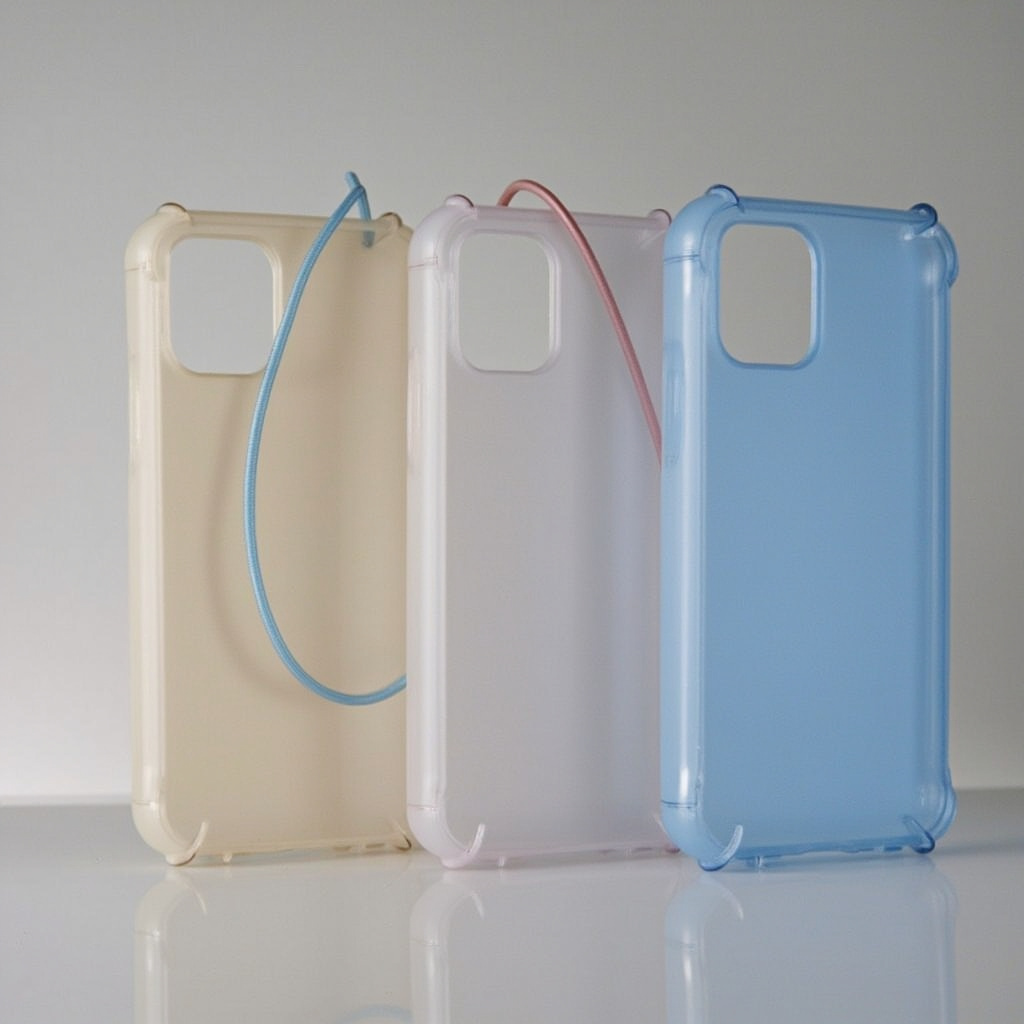
熱可塑性ポリウレタン(TPU)は、エンジニアリング材料の分野において独自の地位を占めています。プラスチックのように射出成形やCNC加工が可能なほど十分な剛性を持ちながら、ゴムとして機能するほどの弾性もあります。この汎用性により、TPUは製造業界において最も急速に成長しているエラストマーの一つとなっており、スマートフォンケースから油圧シールに至るまで、幅広い分野で使用されています。.
TPUとは何ですか?
TPUは、硬質セグメント(MDIやTDIなどのジイソシアネートに由来)と軟質セグメント(ポリエステルやポリエーテル)が交互に連なったブロック共重合体です。硬質セグメントは物理的架橋を形成し、室温において材料の形状と弾性率を決定します。一方、軟質セグメントは柔軟性と弾性を与えます。.
加硫ゴムとは異なり、これらの架橋は化学的ではなく物理的なものであるため、ハードセグメントの融点以上に加熱すると可逆的になります。これにより、TPUは熱可塑性樹脂と同様に溶融加工が可能となり、射出成形、押出成形、3Dプリントなどが行えるほか、使用済みとなった後も再加工が可能です。.
TPUの主な特性
| プロパティ | 代表的な範囲 | 備考 |
|---|---|---|
| 硬度(ショアA) | 60A-75D | ゴムから半硬質までを網羅 |
| 引張強度 | 20~55 MPa | ほとんどのエラストマーよりも高い |
| 破断伸度 | 300-800% | 抜群の柔軟性 |
| 耐摩耗性 | 素晴らしい | ゴムよりも優れており、ポリウレタンと同等の性能を持つ |
| 耐油性 | 良好~優秀 | ポリエステルTPUはポリエーテルよりも優れている |
| 耐紫外線性 | 低~中程度 | 屋外での使用に推奨される紫外線安定剤 |
運用テ
 温度 |
-40~+80℃(連続運転時) | 短時間であれば120℃まで |
TPUの種類
ポリエステル・TPU
最も一般的なタイプです。ポリエステル系TPUは、優れた耐油性・耐燃料性、良好な機械的特性、そしてコストパフォーマンスに優れています。油との接触が予想される油圧用シール、空圧用チューブ、および自動車用途において、好んで採用されています。.
ポリエーテルTPU
ポリエステル系と比較して、優れた耐加水分解性と低温柔軟性を備えています。ポリエーテル系TPUは、
-60℃という低温下でも柔軟性を維持します。湿気への曝露が懸念される医療機器、船舶用途、および屋外での使用に最適です。.
ポリカプロラクトンTPU
優れた機械的特性と耐低温性を兼ね備えたプレミアムな性能。価格は高めですが、スキーブーツ、軍事装備、高性能シューズなど、厳しい条件が求められる用途で使用されています。.
TPUとその他のエラストマーおよびプラスチックの比較
- 対 シリコーン: TPUは引張強度と耐摩耗性に優れています。シリコーンは耐熱性と生体適合性に優れています。.
- 対 ゴム(EPDM、NBR): TPUは熱可塑性樹脂(再加工が可能で、加工が速い)であるのに対し、熱硬化性ゴムは加硫処理が必要である。TPUは耐油性に優れ、透明性の選択肢も豊富である。.
- 対 TPV(熱可塑性加硫ゴム): TPVは、長期的なシール性能と圧縮永久歪みに対する耐性に優れています。TPUは、耐摩耗性と透明性に優れています。.
- 対 軟質PVC: TPUは可塑剤を含まない(溶出や臭いがなく)、低温性能に優れています。価格は高めですが、重要な用途には最適な素材です。.
製造分野におけるTPU
TPUのCNC加工
TPUは柔軟性が高いため、CNC加工は困難を伴います。切削力によって部品がたわんだり、チャックへの固定が不十分になったりします。鋭利な工具を使用し、送り速度を遅くし、冷却液を十分に供給してください。ワックス状の潤滑剤を使用すると、発熱を抑えることができます。複雑な形状の場合、通常は機械加工よりもTPUの成形を推奨します。.
TPUの射出成形
TPUは射出成形が可能ですが、特定の加工知識が必要です。バレル温度は190~230℃、金型温度は20~50℃とし、バリの発生を防ぐために射出速度を低く設定する必要があります。TPUは粘度が高いため、ゲートの設計には細心の注意が必要です。脱気処理が不十分だと、ショートショットが発生しやすい傾向があります。.
3Dプリント用TPU
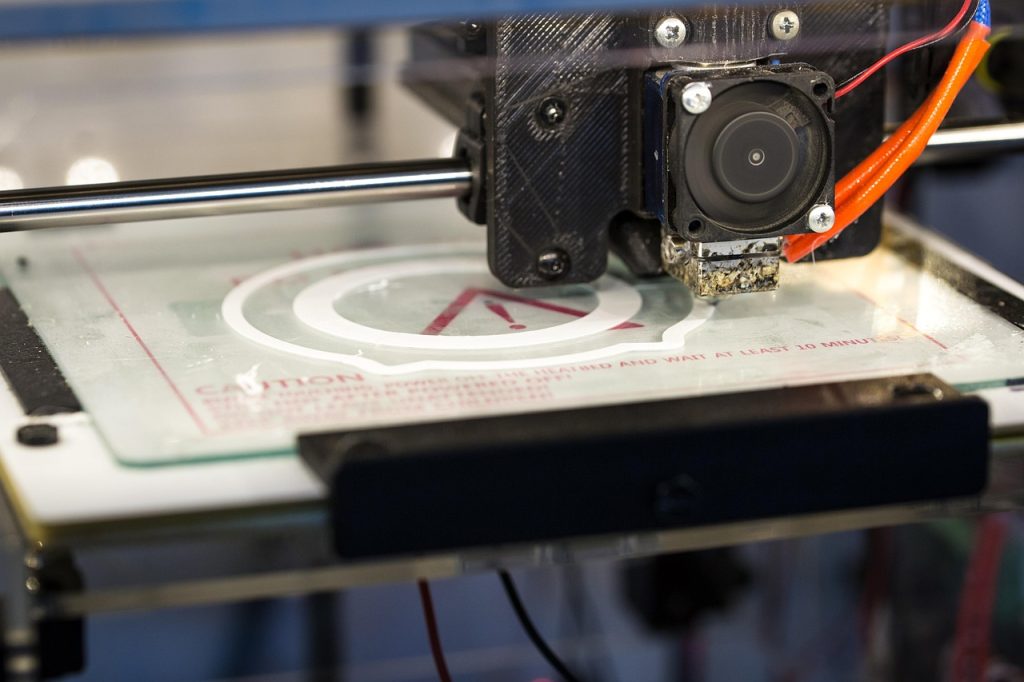
TPUフィラメント(ショア硬度95A~60D)は、ヒートベッドを備えた標準的なFDMプリンターで、220~260℃の温度設定で印刷可能です。柔軟性が高いため、ベッドへの密着が難しくなる場合があります。PEIシートや密着促進剤を使用してください。 印刷速度を遅く(20~40 mm/s)することで、ノズルの詰まりを防げます。TPU 95Aが最も一般的で、印刷が最も容易です。.
当社のTPU製造サービス
弊社では、以下の方法を通じてTPU部品をご提供しております:
- 試作および小ロット(500~10,000個以上)におけるTPUの射出成形
- FDM方式によるTPU 3Dプリント:機能性プロトタイプおよび特注部品の製造
- 成形のセットアップコストが見合わないような、より単純な形状のCNC加工
よくあるご質問
「TPU材料:熱可塑性ポリウレタンの特性と用途」は、どのような場合に適しているのでしょうか?
『TPU材料:熱可塑性ポリウレタンの特性と用途』は、成形品の単価よりも、迅速な試作、複雑な形状、低コストの金型、あるいは少量生産が重視される場合に最適な選択肢となります。.
「TPU材料の選定前に確認すべき点:熱可塑性ポリウレタンの特性と用途」とは?
部品サイズ、材料特性、表面仕上げ、寸法公差、熱暴露、荷重方向、後処理が必要かどうかを確認する。.
TPU(熱可塑性ポリウレタン)の特性と用途は、CNC加工と比べてどうでしょうか?
3Dプリンティングは複雑な形状を素早く作ることができるが、CNC機械加工は精密な表面、より厳しい公差、生産グレードの材料に強いことが多い。.
「TPU材料のコストに影響を与える要因:熱可塑性ポリウレタンの特性と用途」とは?
コストは、材料、造形量、印刷時間、レイヤーの高さ、サポート除去、仕上げ、検査、造形物の部品数によって異なる。.