Recycled nylon (rPA) can reduce virgin-resin demand, but recycled-content percentage alone does not prove that a grade is suitable. Project teams must verify waste source, PA family, contamination control, molecular-weight consistency, reinforcement, additives, certification chain, and lot approval against the real part requirement.
再生ナイロン(rPA)とは?
rPAと呼ばれる再生ナイロンは、バージンの石油化学原料ではなく、回収された廃棄物を原料として製造されたナイロン樹脂です。これは主に以下の2つのカテゴリーに分類されます:
PCR(使用済み製品由来のリサイクル材): 消費者が使用した後に製品から回収された素材――廃棄された自動車部品、カーペットの繊維、漁網、包装材など。多くのサステナビリティ基準において、「リサイクル素材」と規定する際、指しているのはこのPCR(ポストコンシューマーリサイクル)素材です。“
PIR(ポストインダストリアル・リサイクル): 製造スクラップから回収された素材――射出成形のスプルーやランナー、押出成形のトリム、不良品など。PIRには、出所が明確で品質が安定しているという利点がありますが、PCRほどのサステナビリティプレミアムは付きません。.
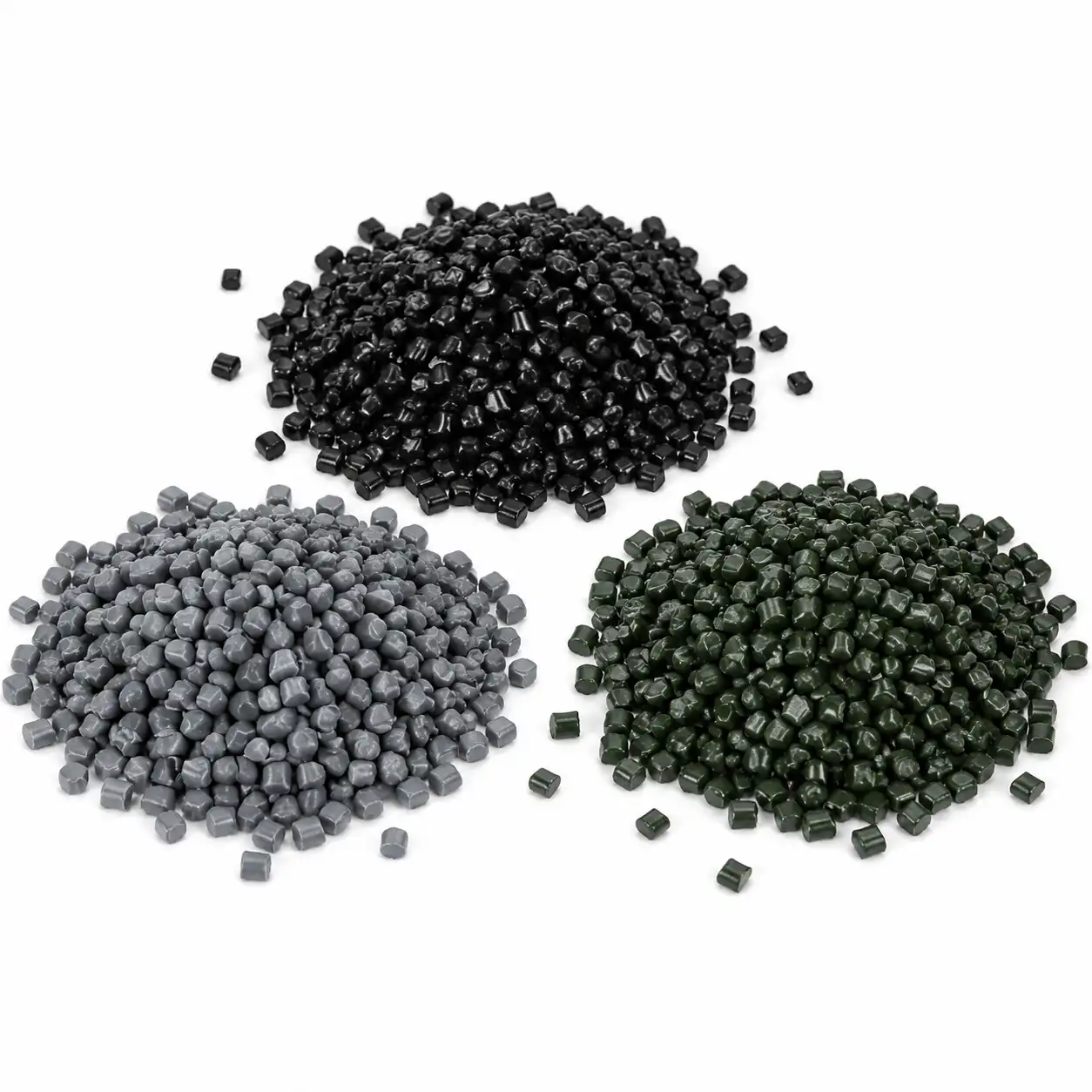
rPAの品質等級は、グレードA(バージン材と同等の機械的特性、色調が均一)からグレードC(特性の低下、色調のばらつき、充填材を含まない用途にのみ適している)まであります。.
rPAのリサイクル工程
高品質なrPAを作成するには、複数のステップからなるプロセスが必要です:
1. 収集と選別: 廃ナイロンは、産業廃棄物および消費後廃棄物から回収されます。近赤外(NIR)分光法が主な選別技術として用いられており、コンベアベルトの速度に合わせてPA6やPA66を他のプラスチックと区別することができます。汚染が激しい廃棄物については、NIR分光法に加え、手作業による選別も行われます。.
2. 洗浄: 油分、汚れ、ラベルなどの不純物は、高温洗浄と摩擦洗浄によって除去されます。使用済み素材の場合、これが品質管理において最も重要な工程となります。.
3. 研削: 清浄なナイロンは、押出成形に備えて、均一な大きさ(通常8~12mm)のフレークまたはチップに粉砕されます。.
4. 複利計算: ナイロンフレークを溶融し、ろ過(溶融ろ過により40~80μmまでの残留不純物を除去)した後、添加剤(熱安定剤、加工助剤、耐衝撃改質剤、および強化グレードの場合はガラス繊維(通常15~30%))と配合する。.
5. ペレット化および試験: この化合物は、ストランドペレット化され、乾燥された後、包装前にメルトフローインデックス、機械的特性、水分含有量、および色の均一性について試験が行われます。.

rPAの特性とバージンナイロンの比較
There is no universal property-retention percentage for recycled nylon. Results depend on the waste stream, number of heat histories, hydrolysis, contamination, filtration, stabilization, reinforcement, and test conditioning. Use supplier data for screening and test the final compounded grade.
| Approval Area | Virgin Nylon Baseline | rPA Review |
|---|---|---|
| Identity and traceability | Qualified resin source and grade | Waste source, PA family, PCR/PIR claim, and chain of custody |
| Mechanical performance | Grade-specific conditioned data | Lot variation, weld lines, impact, fatigue, and creep testing |
| Processing | Known drying and viscosity window | Moisture, viscosity drift, contamination, odor, and color variation |
| Compliance | Exact grade declarations | Recycled-content verification plus application-specific compliance |
再生ナイロンにおける品質上の課題
熱分解: 加熱履歴サイクルが繰り返されるたびに、ポリアミド主鎖で鎖切断が生じ、分子量が低下し、その結果、機械的特性も低下します。これは相対粘度(RV)によって測定されます。RVが2.7(未使用時)から2.3に低下すると、引張強度が10~15%低下することを意味する場合があります。.
汚染: 他のポリマー(特にPPやPE)との交差汚染が、最も一般的な品質問題です。1%とPPの汚染であっても、両材料の相性が悪いため、成形品に層間剥離や弱点が生じます。40~60μmでの溶融ろ過が、これを防ぐための主要な対策となります。.
カラーバリエーション: PCRナイロンは、さまざまな色の廃棄物が混ざり合って暗い色の塊となるため、ほとんどの場合、濃い灰色から黒色になります。用途上、淡い色や鮮やかな色が必要な場合、優れた選別・洗浄能力を持つサプライヤーを選ばない限り、PCRナイロンの使用は困難となるでしょう。.
臭い: 使用済みナイロンには、自動車用液体、食品包装、洗浄用化学薬品など、以前の使用時に付着した残留臭が残っている場合があります。自動車の内装や民生用製品に用いる場合、通気性のあるコンパウンド化や熱脱着によって、この問題を対処する必要があります。.
rPAの成績が公開されました
| グレード | 出典 | 標準的なPCR% | 主な用途 |
|---|---|---|---|
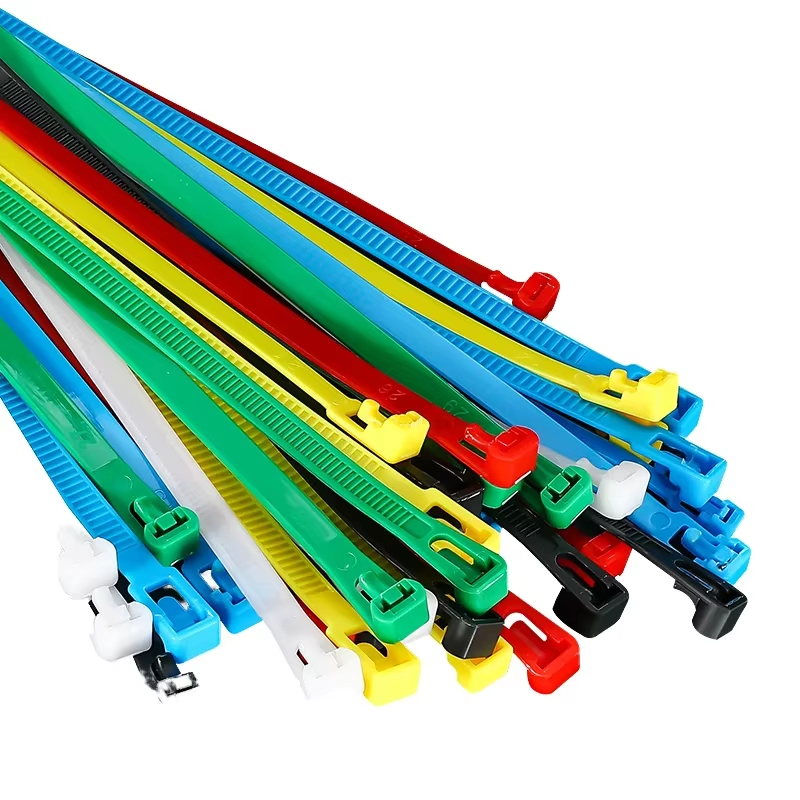
| rPA6 | カーペットの繊維、漁網 | 30–100% | ケーブルタイ、締結部品、重要度の低いハウジング |
| rPA66 | エアバッグ用生地、自動車スクラップ | 30–100% | エンジンカバー、ブラケット、構造用支持部材 |
| rPA66 GF30 | 複合材料製の自動車部品 | 25–50% | エンジンルーム内の部品、ファンシュラウド、インテークマニホールド |
| rPA6 GF30 | 産業廃棄物の発生源 | 25–50% | 工具ホルダー、電気エンクロージャー |
認証基準
ナイロンが真にリサイクルされたものであることを証明するには、第三者機関による認証が必要です:
- GRS(グローバル・リサイクル・スタンダード): 最も広く認知されている認証です。GRSは、リサイクル素材の含有率を検証し、サプライチェーン全体を通じてその流れを追跡(チェーン・オブ・カストディ)するとともに、リサイクル事業に対する社会的および環境的な要件を定めています。現在のバージョンはGRS 4.0です。.
- ISO 14021: 企業が、リサイクル素材の含有率など、自ら表明する環境に関する主張を行う方法を定めています。文書による証拠の提出は求められますが、第三者による監査は求められません。.
- UL 2809 ECOLOGO: ULのリサイクル素材含有率に関する環境主張検証。製品に主張された割合のリサイクル素材が含まれていることを、独立した第三者機関が検証します。.
- EUリサイクルプラスチック規則(EU 2022/1616): 特に食品接触用再生プラスチックに関しては、この規制は食品包装における再生材料の使用を規定しており、EFSAによる安全性評価を義務付けています。.
料金比較:rPA 対 ヴァージン
Recycled nylon is not automatically cheaper. Sorting, cleaning, testing, certification, stabilization, low-volume compounding, yield loss, and supply consistency can offset feedstock savings. Compare landed approved-material cost, not a generic price per kilogram.
Questions That Should Be Resolved in the RFQ
- Is the recycled claim PCR, PIR, mass-balance, or another documented route?
- Are PA family, reinforcement, additives, color, and allowed contamination defined?
- Which COA properties and incoming tests release each lot?
- Does a material or source change require notification and re-approval?
- Are critical, regulated, or safety-related applications covered by customer-specific approval?
ナイロンプラスチックがレビューをどのように支えているか
Nylon Plastic has worked across material modification and finished plastic-part manufacturing since 2005. This allows project teams to connect the resin decision with compounding, incoming inspection, injection molding, and sample validation rather than approving a grade from a family name or one dry data-sheet value.
- Compare unfilled PA, PA-GF20, and PA-CF30 against the actual failure mode.
- Review custom compounding when a standard grade misses stiffness, impact, color, wear, heat, or compliance requirements.
- Define TDS, COA, moisture, sample approval, traceability, and lot-release requirements before volume ordering.
Recycled Nylon Selection Summary
Use rPA only after the exact grade demonstrates the required performance and documentation. For applications where lot variation or approval risk is unacceptable, unfilled virgin PA, PA-GF20, or PA-CF30 may remain the safer commercial route.
結論
再生ナイロンは、いよいよ本格的に実用化される段階に入りましたが、すべての用途に適しているわけではありません。安全性がそれほど重要ではない自動車のボンネット内部品、産業用ハウジング、家具、建設資材などについては、高品質なrPA66およびrPA66 GF30が、性能要件を満たしつつ、持続可能性の面でも優れた実績を発揮します。 安全性が極めて重要である用途、高温環境、あるいは公差が厳しい用途においては、バージンナイロンが依然としてより安全な選択肢となります。重要なのは、「環境に優しい」というラベルだけでなく、一貫した品質、文書化された認証、そして現実的な性能データを提供できるサプライヤーと提携することです。.
関連記事
For detailed PA66 GF30 properties and grade selection, see our glass-filled nylon grade comparison guide covering GF15, GF30, and GF60 stiffness, heat, warpage, and molding data.
よくある質問
再生ナイロンは、バージンナイロンと同じくらい丈夫ですか?
It can approach a virgin grade in selected properties, but there is no universal retention percentage. Waste source, degradation, contamination, formulation, conditioning, and lot control determine performance.
What is the difference between PCR and PIR nylon?
PCR comes from products recovered after consumer use. PIR comes from controlled manufacturing scrap. The labels describe source, not automatic fitness for a specific part.
What documents should an rPA supplier provide?
Define recycled-content verification, TDS, SDS, batch COA, traceability, compliance declarations, source-change control, sample approval, and lot-release requirements.
Can recycled PA-GF30 replace a virgin grade?
Only after the exact compound passes material, molding, dimensional, mechanical, environmental, and customer approval requirements. Do not approve substitution from filler percentage alone.
Request a Recycled Nylon Grade Review
Send the incumbent grade, required recycled-content route, drawing, volume, approvals, and lot-control requirements for a grade and process review.