Viscosity represents Complete Guide to Fluid Flow Resistance and Measurement one of the most important concepts in materials engineering and industrial applications. This comprehensive guide examines the fundamental aspects, measurement techniques, and practical applications of viscosity, providing engineers and technical professionals with essential knowledge for material selection and process optimization.
基本的な特性と特徴
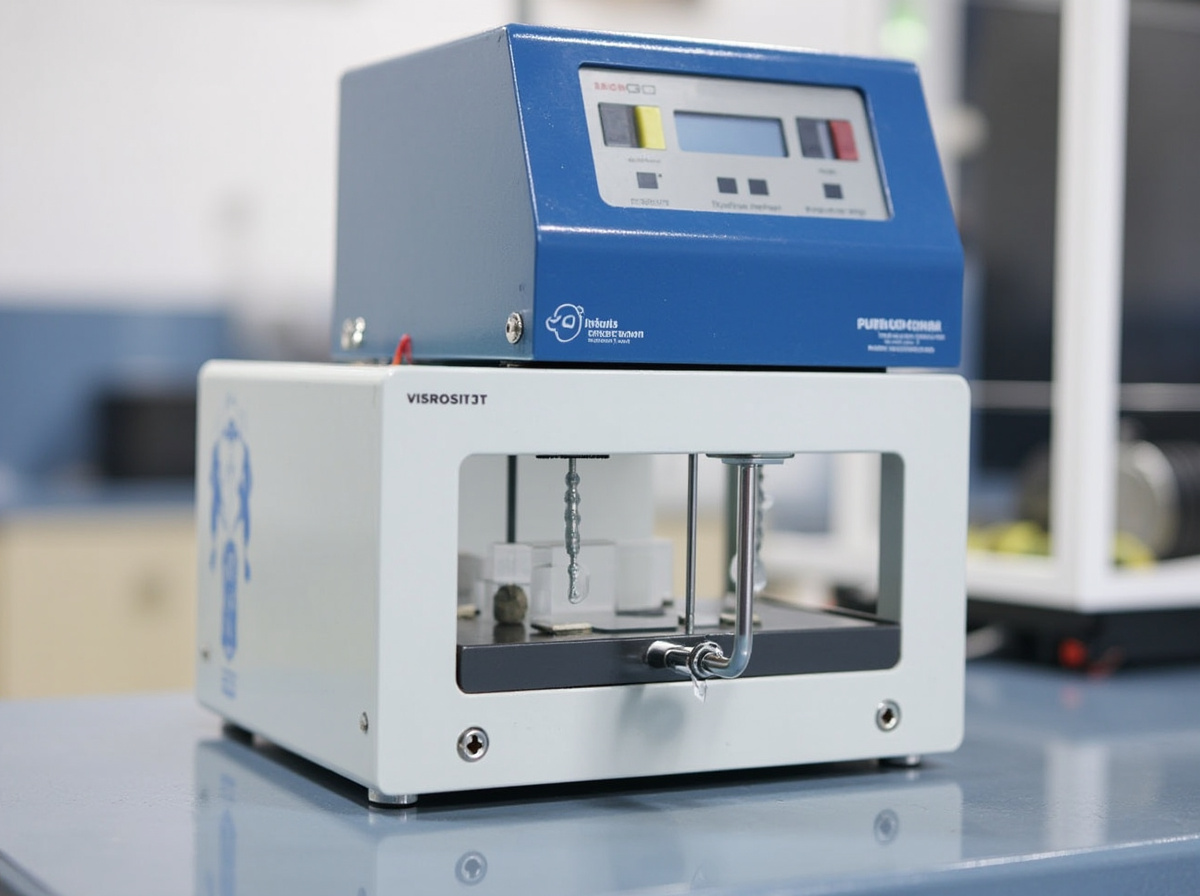
The viscosity properties determine their suitability for specific industrial applications. Key characteristics include mechanical strength, chemical resistance, thermal behavior, and processing capabilities. Understanding these fundamental properties enables optimal material selection across diverse engineering contexts.
産業用途
| アプリケーションエリア | 特定用途 | パフォーマンス要件 | 素材の利点 |
|---|---|---|---|
| 製造業 | 部品生産 | 高い強度、耐久性 | 費用対効果、信頼性 |
| 建設 | 構造要素 | 耐荷重 | 長寿命 |
| エレクトロニクス | 電気部品 | 導電率、安定性 | パフォーマンスの一貫性 |
| 自動車 | 自動車部品 | 重量の最適化 | 燃費 |
| 航空宇宙 | 航空機構造 | 高い強度対重量 | 安全性が重要 |
製造工程
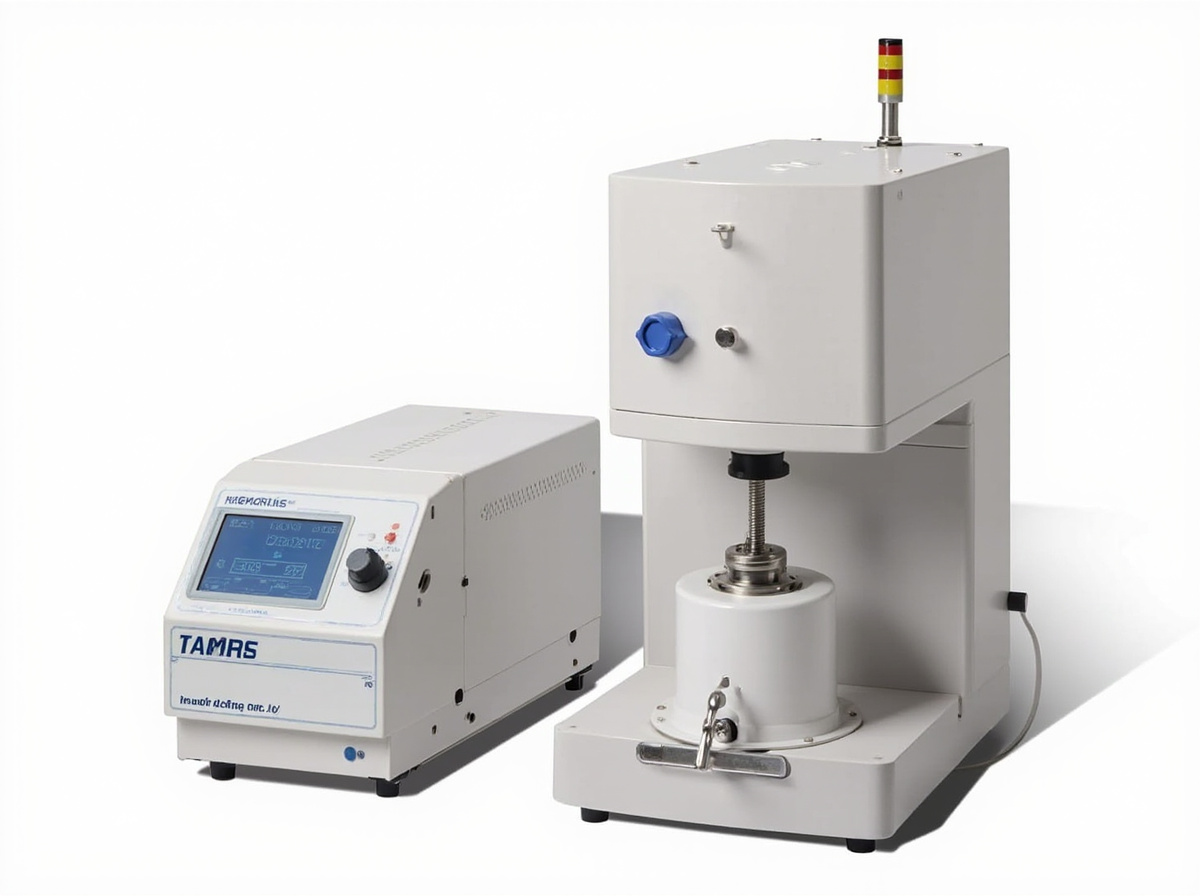
viscosity manufacturing involves specialized processes tailored to material properties and application requirements. Common manufacturing methods include casting, forging, machining, and additive manufacturing, each offering distinct advantages for specific component geometries and performance criteria.
材料選択の考慮点
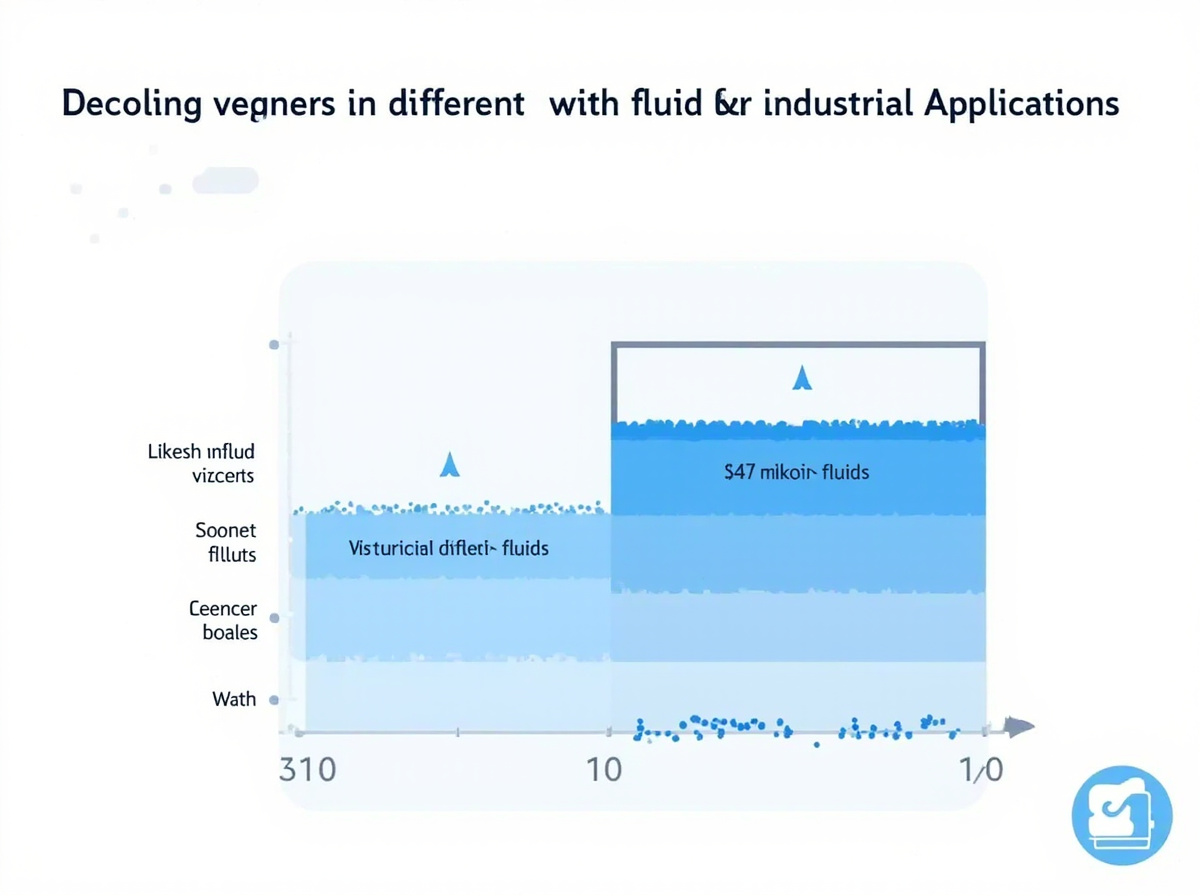
Selecting viscosity for engineering applications requires evaluating multiple performance criteria against cost constraints and manufacturing feasibility. Key considerations include mechanical properties, environmental resistance, processing characteristics, and lifecycle costs.
パフォーマンス対コスト分析
Material selection balances performance requirements against economic constraints. viscosity offers specific advantages in applications requiring [performance characteristic], though alternative materials may provide better cost-performance ratios for less demanding applications.
環境および規制要因
Environmental regulations and sustainability considerations increasingly influence material selection. viscosity compliance with relevant standards and regulations must be verified for specific applications and geographic markets.
今後の展開と動向
Advancements in viscosity technology continue to expand application possibilities while addressing sustainability concerns. Emerging trends include improved processing efficiency, enhanced material properties through alloy development, and increased focus on recyclability and circular economy principles.
結論
viscosity represents a critical aspect of materials engineering with diverse industrial applications spanning manufacturing, construction, electronics, and beyond. Understanding its fundamental properties, measurement techniques, and application-specific considerations enables engineers and technical professionals to make informed decisions that balance performance, cost, and sustainability requirements.
よくあるご質問
Why does Viscosity: Complete Guide to Fluid Flow Resistance and Measurement matter?
Viscosity: Complete Guide to Fluid Flow Resistance and Measurement matters because it converts material behavior into measurable evidence that can guide design, sourcing, and production decisions.
How is Viscosity: Complete Guide to Fluid Flow Resistance and Measurement used in material selection?
エンジニアはこの結果を、候補となる材料を比較し、安全マージンを確認し、一般的なデータシートの謳い文句だけに頼らないようにするために使用する。.
What can affect the result of Viscosity: Complete Guide to Fluid Flow Resistance and Measurement?
試料の前処理、試験方法、温度、負荷方向、材料の状態、標準の選択などはすべて、結果に影響を与える可能性がある。.
What mistake should buyers avoid with Viscosity: Complete Guide to Fluid Flow Resistance and Measurement?
同じ規格、試験片の状態、試験環境を使用しない限り、値を比較しないこと。.