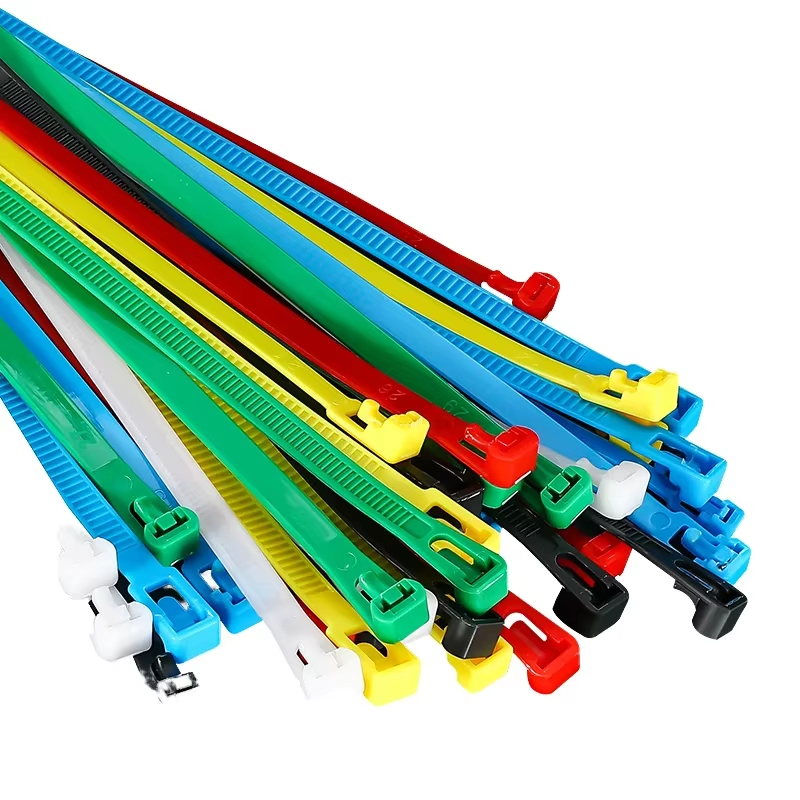
ナイロン これは、選択肢を比較したり、限界を確認したり、リスクの少ないプロセスを選定したりする必要がある場合、実用的な工学上のテーマとなります。.
Nylon Chemical Resistance varies with resin grade, temperature, exposure time, concentration, and whether the part is stressed in service.
Detailed chemical resistance guide for nylon (PA6/PA66/PA12) — acids, alkalis, solvents, fuels, oils, and environmental factors affecting performance.
エンジニアリングおよび調達チーム向け
Checking Nylon for Chemical Exposure?
A generic compatibility rating is not enough for a production decision. Resin grade, concentration, temperature, exposure time, stress and reinforcement can all change the result.
- List the exact chemical and concentration in the RFQ
- Define continuous, intermittent or splash exposure
- Validate the selected grade under representative temperature and stress
Request a chemical exposure material review → Review nylon parts manufacturing
Why Chemical Resistance Matters for Nylon

Nylon components frequently operate in chemically challenging environments: chemical processing plants, automotive fluid systems, food processing equipment, and laboratory apparatus all demand materials that resist degradation from repeated chemical exposure. Unlike metals, which fail visibly through corrosion, chemical attack in plastics is often invisible until catastrophic failure occurs.
Understanding nylon’s chemical resistance profile prevents costly field failures. A fuel rail that cracks after 6 months in service due to incompatible material selection is an expensive lesson. This guide provides the resistance data needed to specify the right nylon grade for specific chemical environments.
Resistance to Acids
Nylon’s resistance to acids varies significantly based on acid type, concentration, and temperature:
Strong Mineral Acids (Poor Resistance):
- Sulfuric acid (H₂SO₄): Severely attacks nylon. Concentrations above 10% cause rapid hydrolysis. 50% sulfuric acid dissolves nylon within hours at room temperature. Not recommended.
- Hydrochloric acid (HCl): Similar to sulfuric — progressive degradation. Strength loss of 30-50% after 30-day exposure to 10% HCl at 23°C. Not recommended for continuous exposure.
- Nitric acid (HNO₃): Oxidative degradation causes rapid strength loss. Not recommended.
Weak Acids (Conditional — Verify):
- Acetic acid: 5% solution causes minor surface attack. 60% acetic acid (glacial) causes significant swelling. Test specific concentrations.
- Phosphoric acid: Good resistance to dilute solutions (<10%). Higher concentrations cause surface softening.
- Citric acid: Good resistance in food-contact concentrations. PA66 approved for food processing equipment.
- Formic acid: Attacks nylon — dissolves or severely weakens at concentrations above 10%.
Organic Acids:
– Oleic acid, stearic acid: Good resistance. Nylon is widely used in fatty acid processing.
– Lactic acid: Good resistance. PA66 suitable for dairy processing components.
デザインの意味合い: For acid-exposed applications, consider PVDF (Kynar), PTFE, or PP instead of nylon. If nylon must be used, limit temperature and concentration, and conduct immersion testing before production.
Resistance to Alkalis and Bases
Nylon has generally good resistance to alkalis, with some important exceptions:
Strong Alkalis:
- Sodium hydroxide (NaOH): Good resistance to dilute solutions (<10%) at room temperature. At elevated temperature (80°C+), hydrolysis occurs. For strong caustic service, PA12 performs better than PA6 or PA66.
- Potassium hydroxide (KOH): Similar behavior to NaOH. Good at room temperature, degradation at elevated temperature.
- Ammonia (NH₃): Good resistance to dilute ammonia solutions. Liquid ammonia causes stress cracking — avoid.
Carbonate solutions (sodium carbonate, potassium carbonate): Excellent resistance at all concentrations and temperatures. Nylon is suitable for carbonate-based cleaning equipment.
Key Issue: Calcium Chloride — Despite good general alkali resistance, nylon is susceptible to stress cracking in calcium chloride solutions. Calcium chloride (common desiccant) can cause cracking even at low concentrations. Do not use nylon desiccant containers or seals in contact with CaCl₂.
Solvent Resistance
Halogenated Hydrocarbons:
- Methylene chloride: Dissolves nylon rapidly. Not compatible.
- Chloroform: Rapidly attacks nylon. Not compatible.
- Trichloroethylene (TCE): Severe attack at room temperature.
芳香族炭化水素:
- Benzene: Causes swelling at room temperature. Not recommended.
- Toluene: Moderate swelling. Limited use only.
- Xylene: Similar to toluene — limited compatibility.
脂肪族炭化水素 (hexane, heptane, mineral spirits): Excellent resistance. Nylon is widely used in fuel system and oil processing components. No significant attack even at elevated temperature.
アルコール類:
- Methanol, ethanol, isopropanol: Excellent resistance. Nylon approved for beverage and pharmaceutical processing.
- Glycols (ethylene glycol, propylene glycol): Excellent resistance. PA66 widely used in coolant systems and antifreeze applications.
Ketones and Esters:
- Acetone: Moderate attack — causes swelling and surface softening. Not recommended for prolonged contact.
- MEK (methyl ethyl ketone): Similar to acetone — moderate swelling.
- Ethyl acetate: Moderate attack. Test for specific application.
- Phthalate plasticizers (DOP, DEHP): Causes plasticizer migration into nylon — use PA12 for plasticizer contact applications.
Fuel, Oil, and Automotive Fluid Resistance
Automotive and industrial fluid resistance is a major application area for nylon:
自動車用燃料:
| Fuel Type | ナイロンPA12 | ナイロン PA66 | POM |
|---|---|---|---|
| Gasoline (unleaded) | 素晴らしい | 素晴らしい | 素晴らしい |
| Gasoline + 15% Ethanol (E15) | 素晴らしい | グッド | グッド |
| Gasoline + 85% Ethanol (E85) | 素晴らしい | フェア | 貧しい |
| Diesel | 素晴らしい | 素晴らしい | 素晴らしい |
|---|---|---|---|
| Jet Fuel (JP-8) | 素晴らしい | 素晴らしい | 素晴らしい |
PA12 is the material of choice for fuel lines due to its superior fuel resistance, low moisture absorption, and flexibility. PA66-GF30 is used in rigid fuel system components.
Engine Oils and Lubricants:
All standard nylon grades show excellent resistance to engine oils, gear oils, and transmission fluids at operating temperatures. PA66-GF30 is widely used in oil filter housings and engine covers.
Brake Fluids:
| Fluid | ナイロン PA66 | ナイロンPA12 | POM |
|---|---|---|---|
| DOT 3 (glycol-based) | グッド | 素晴らしい | Swells/cracks |
| DOT 4 (glycol-based) | グッド | 素晴らしい | Swells/cracks |
|---|---|---|---|
| DOT 5 (silicone-based) | 素晴らしい | 素晴らしい | グッド |
重要: POM and acetate-based brake fluids (DOT 3/4/5.1) are incompatible. PA66 or PA12 is mandatory for brake system components.
Environmental and Special Considerations
UV/Weathering:
Unfilled nylon degrades rapidly under UV exposure — surface chalking, embrittlement, and strength loss within 6-12 months of outdoor exposure. Solutions:
– Carbon black stabilization (2-3% carbon black provides excellent UV protection)
– UV-stabilized grades with hindered amine light stabilizers (HALS)
– Painting or coating for cosmetic surfaces
Gamma Radiation Sterilization:
Medical nylon components undergoing gamma sterilization require radiation-resistant grades. Standard PA66 loses 30-40% tensile strength after standard gamma dose (25-50 kGy). Special radiation-stabilized grades maintain >80% retained strength.
Food Contact:
Both PA6 and PA66 have FDA food contact approvals for specific grades:
– PA6: FDA 21 CFR §177.1500 (nylon 6 resin)
– PA66: FDA 21 CFR §177.1500 (nylon 66 resin)
EU Regulation 10/2011 compliance available for KSAN and similar brands.
Water Absorption Effects on Chemical Resistance:
Conditioned nylon (humidity-saturated) shows different chemical resistance than dry material. In some cases, water acts as a plasticizer, allowing chemical penetration that would not occur in dry material. Always test in the actual conditioned state.
よくあるご質問
How do you know whether Nylon Chemical Resistance: Acids, Bases, Solvents, and More fits a part?
Nylon Chemical Resistance: Acids, Bases, Solvents, and More fits a part when its load capacity, temperature range, moisture exposure, wear behavior, and processing method match the real service conditions.
What properties should be checked for Nylon Chemical Resistance: Acids, Bases, Solvents, and More?
強度、剛性、耐衝撃性、耐熱性、吸湿性、寸法安定性、摩擦、摩耗、および化学的適合性を確認する。.
What is the biggest selection risk for Nylon Chemical Resistance: Acids, Bases, Solvents, and More?
最大のリスクは、実際の使用環境、加工方法、部品の形状、および長期使用を考慮せずに、データシートの数値だけで選定してしまうことです。.
When should Nylon Chemical Resistance: Acids, Bases, Solvents, and More be tested before production?
部品が荷重、熱、化学物質、湿気、厳しい公差、規制要件、あるいは新たな動作環境にさらされる場合は、試験を行うことをお勧めします。.
関連記事
概要
| 決断の分かれ目 | Nylon Behavior | 購入者への注意事項 |
|---|---|---|
| Acids | Resistance varies by acid type and temperature | Confirm the actual chemical and exposure time before quoting |
| Bases | Often better in mild environments | Test long-term immersion if the part is mission critical |
| Solvents | Many solvents are a risk | Do not assume all nylon grades behave the same |
| 最適な用途 | Controlled industrial exposure | Start with real application conditions, not a generic chart |
なぜナイロンプラスチックを選ぶのか
Nylon Plastic helps buyers evaluate nylon chemical exposure with an application-first approach so the material choice matches the real fluid, temperature and duty cycle.
Request a Chemical Exposure Review
Send the chemical list, temperature range and part drawing for a practical material check.
技術情報源および検証
Use supplier data as a verification source, not as a substitute for testing the exact grade and part under the intended service conditions.
How to Evaluate Nylon Chemical Resistance for a Real Part
Nylon chemical resistance is not a single pass or fail property. The result depends on polymer family, grade, glass or mineral filler, moisture state, temperature, stress, exposure time, concentration and the shape of the molded part. A resin chart is a useful starting point, but it cannot replace testing the exact grade and part under the intended service conditions.
Start by listing every contact medium, not only the main fluid. Include cleaners, oils, fuels, coolants, salts, adhesives, disinfectants, plating residues and process chemicals. Record concentration, temperature, contact time, pressure, stress, cycle frequency and whether exposure is continuous or intermittent. A nylon part under tensile stress may crack in an environment where an unstressed coupon appears unchanged.
| Exposure factor | Why it changes the result | What to define |
|---|---|---|
| Water and humidity | Nylon absorbs moisture, changing dimensions, stiffness and toughness | Conditioning state, humidity and measurement timing |
| 温度 | Heat accelerates diffusion, softening, hydrolysis or aging | Maximum, minimum, dwell time and thermal cycling |
| Stress | Residual and applied stress can promote cracking or crazing | Load, clamp condition, strain and molded orientation |
| Concentration | Dilution and additives can make the same chemical behave differently | Exact formulation, concentration and replenishment |
| Filler and additives | Can change permeability, interface behavior and corrosion risk | Grade, filler content, colorant and reinforcement |
PA6, PA66 and Modified Nylon Selection
PA6 and PA66 are both useful engineering nylons, but their moisture response, processing window, stiffness, heat performance and dimensional behavior differ. Glass-filled grades can improve stiffness and creep resistance while introducing directional shrinkage and a more complex stress state. Impact-modified, heat-stabilized, flame-retardant and hydrolysis-resistant grades each solve a different problem and should be evaluated against the actual exposure.
Do not assume that a filled grade automatically improves chemical performance. The polymer matrix, fiber sizing, interface, voids, weld lines and molded stress can still control failure. If the part contains a snap fit, thread, seal or press fit, test the completed feature rather than relying only on a flat coupon. Inspect color, mass, dimensions, tensile or flexural properties, impact, leak behavior and microscopic cracking where relevant.
| Part condition | Selection focus | Validation focus |
|---|---|---|
| Humid or water-contact part | Moisture conditioning, dimensional stability and hydrolysis resistance | Conditioned dimensions, strength and cycling |
| Oil or fuel contact | Exact fluid formulation, temperature and stress | Mass, volume, tensile retention and cracking |
| High-temperature part | Heat-stabilized grade, creep and long-term aging | Thermal aging, load retention and dimensional change |
| Highly stressed feature | Residual stress, radius, weld line and molded orientation | Crack inspection, load cycling and environmental stress |
| Electrical or sealed part | Insulation, leakage, swelling and seal compression | Dielectric, leak, compression set and aging tests |
Molding Design Also Controls Chemical Performance
Part design and molding conditions influence how nylon behaves in service. Thin walls, sharp corners, knit lines, voids, sink, weld lines and uneven cooling can create local weaknesses. Use generous radii, appropriate draft, balanced filling, adequate venting and controlled cooling. Gate location should keep critical load paths away from unfavorable weld lines when possible. Dry the resin according to the grade supplier’s requirement and protect it from moisture before molding.
For chemical-contact parts, review the gate, parting line, insert interface, seal land and any knit line near pressure or stress zones. After molding, define conditioning and storage before inspection. A dimension measured immediately after molding may not represent the assembled part after moisture equilibrium. We can review resin data, part geometry and exposure conditions together and recommend a test plan before committing to a production grade.
Nylon Chemical Resistance Test Checklist
- Exact nylon grade, filler, additives, color and processing history.
- Fluid name, formulation, concentration, temperature and exposure duration.
- Applied load, residual stress, assembly condition and cycle frequency.
- Conditioning, storage, test datum and measurement timing.
- Acceptance limits for mass, dimensions, strength, appearance, cracks and leaks.
- Retained samples, control samples and post-test failure analysis.
Send the resin data sheet, fluid list, CAD, drawing, load case and test requirement. We can help compare PA6, PA66 and modified nylon options, then align material selection with mold design, processing, inspection and the service environment.