適切に設計されたスナップフィットは、エンジニアリングの粋とも言えるものです。たった一つのポリマー構造によって、ネジ、クリップ、接着剤、そして組み立て作業を、たった1回の成形サイクルで置き換えることができるのです。課題は、スナップフィットの設計が、材料科学、金型流動解析、構造力学の交差点に位置している点にあります。 ビームの長さ、たわみ角度、あるいは材料選定をわずか10%でも誤れば、工具不要の組み立ては現場での故障につながってしまいます。.
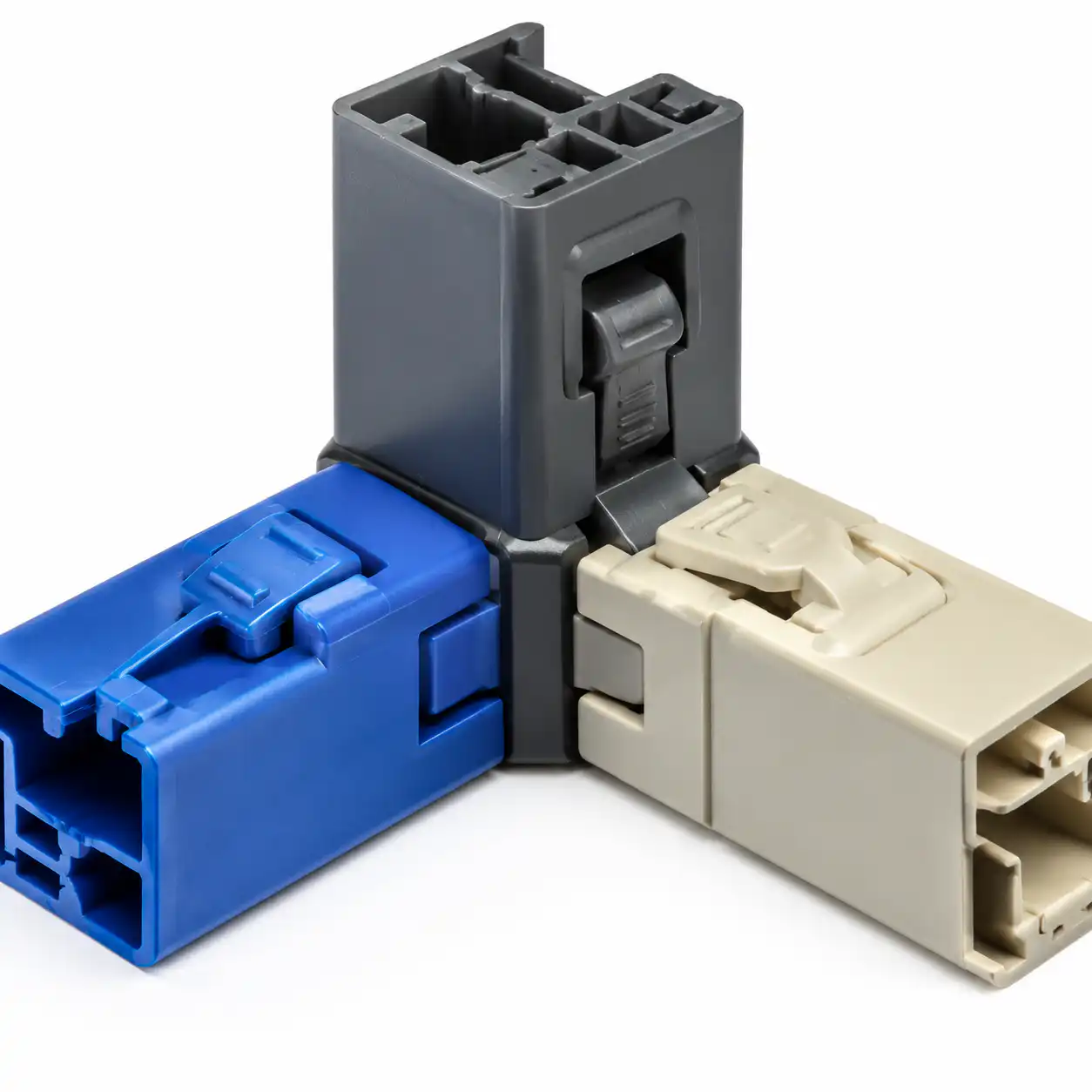
このガイドでは、3つの基本的なスナップフィット方式、材料に応じた設計式、そして試作品と量産用部品を区別する実用的な金型設計上の考慮事項について解説します。.
エンジニアリングおよび調達チーム向け
Reviewing a Snap Fit Before Mold Release?
A snap fit should be checked as a material, geometry, assembly and tooling system. Beam strain, root radius, draft, undercut direction and repeated-use requirements can all change the final design.
- Define one-time assembly or repeated service before sizing the feature
- Check allowable strain in the conditioned production material
- Confirm parting line, shutoff, ejection and side-action requirements
Request a snap fit DFM review → Review core and cavity design guidance
スナップフィットの3つの基本的なタイプ
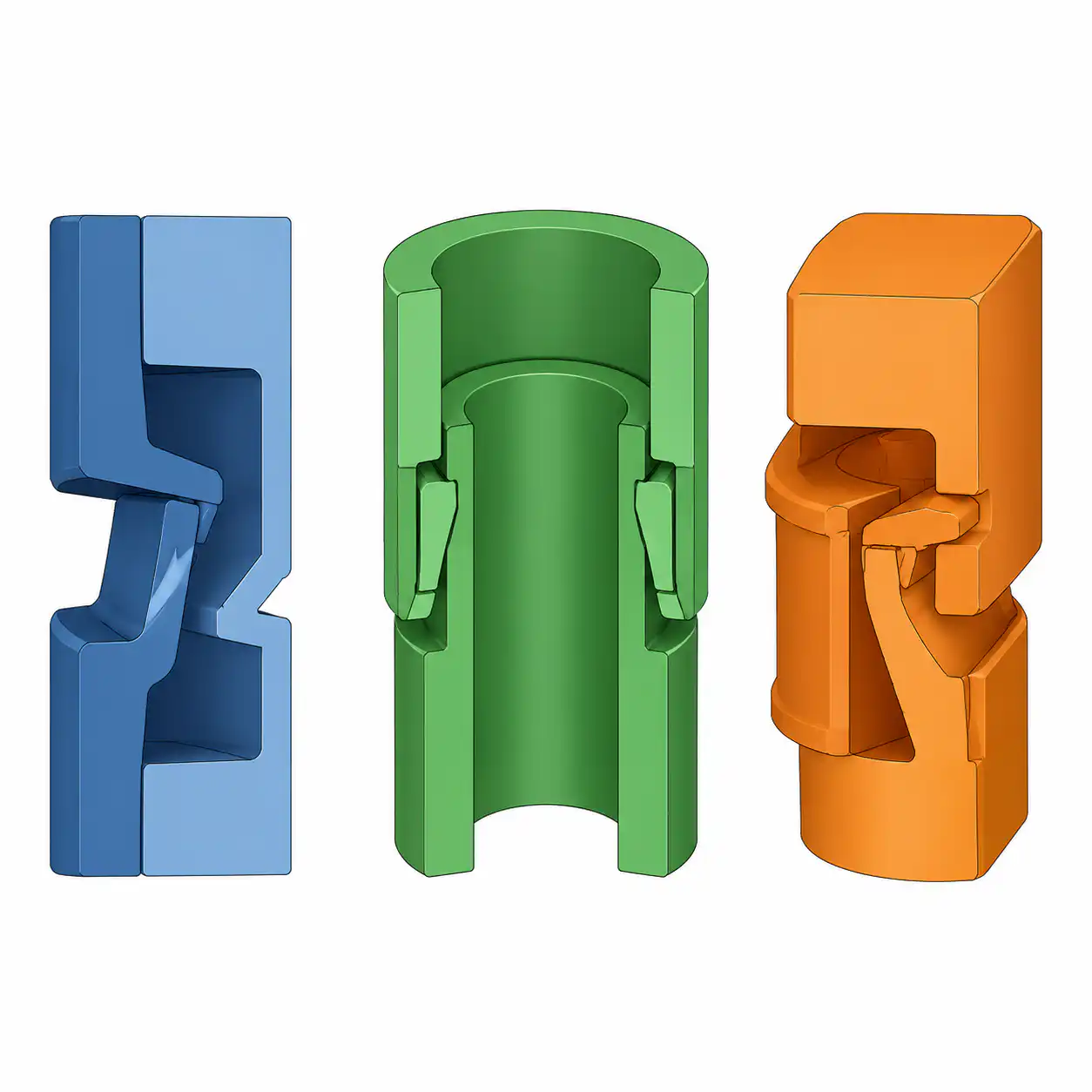
すべてのスナップフィット設計は、3つの基本的な形状のいずれかに基づいており、それぞれに固有の応力分布と最適な適用条件があります:
| タイプ | たわみモード | 応力集中 | 最適 |
|---|---|---|---|
| 片持ち梁 | 曲げ | 根元(最大曲げモーメント) | 筐体カバー、バッテリーカバー――80%+のすべてのスナップフィット部品 |
| 環状(円筒形) | フープの拡張 | 円周上に分布している | ペンキャップ、チューブコネクタ、ボールジョイント |
| ねじり | ねじり | トーションバーの端部で | ヒンジ、ラッチ、繰り返し曲げサイクルが求められるリビングヒンジ |
材料に依存する設計限界
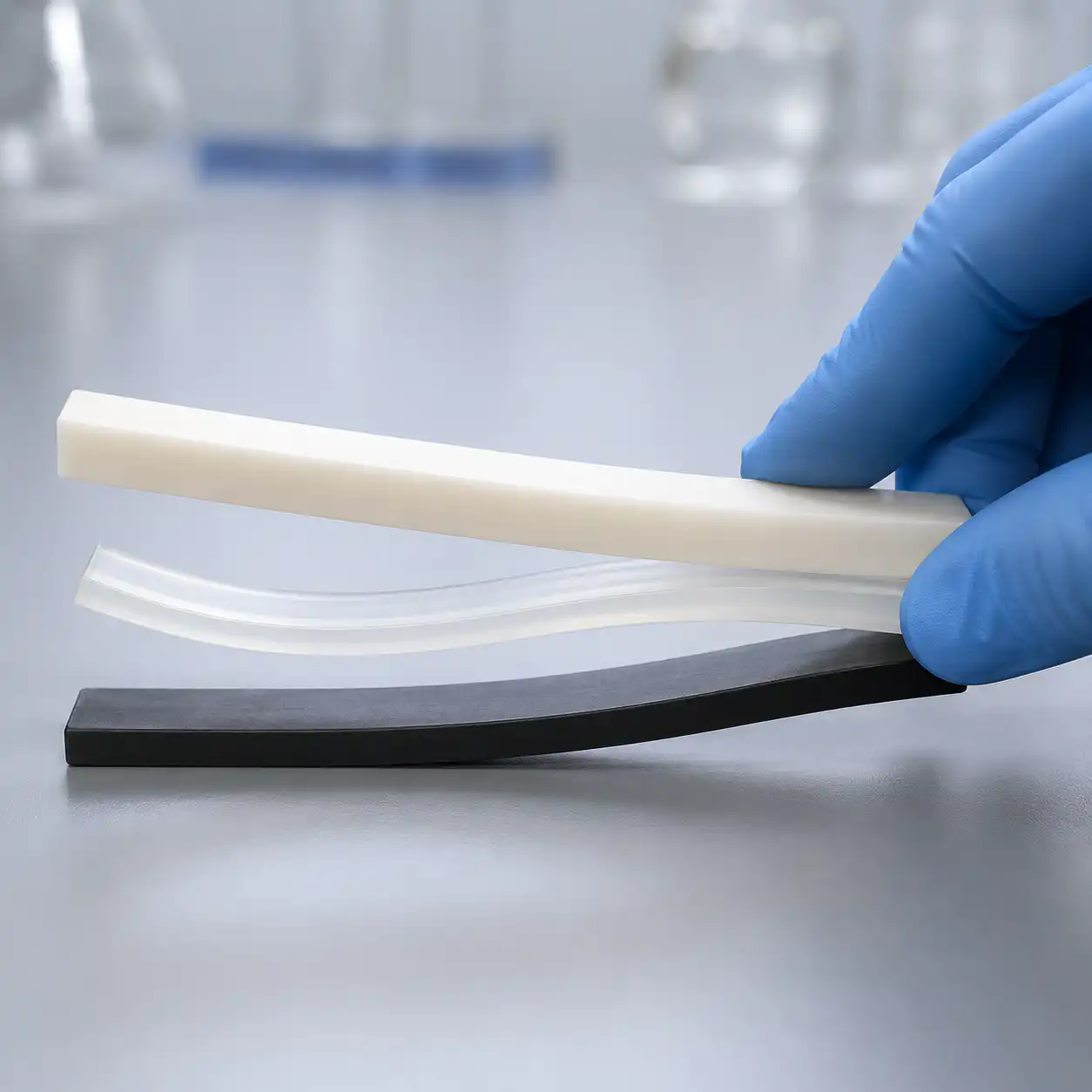
片持ち梁のスナップフィットの基本方程式は、古典的な梁の理論から導かれる。断面が長方形の梁の場合: yₘₐₓ = (2/3) × (ε_yield × L²) / (h × Q), 、ここで Q はたわみ倍率(テーパービームの場合は 1.5~2.0)である。決定的な制約となるのは材料の降伏ひずみであり、これは材料によって大きく異なる。.
| 素材 | ε_yield | 最大y/L比 | スナップフィットグレード |
|---|---|---|---|
| ポリカーボネート(PC) | 4-5% | 0.10-0.12 | ⭐⭐⭐⭐ 素晴らしい |
| ナイロン6(PA6、調整済み) | 5-8% | 0.12-0.15 | ⭐⭐⭐⭐⭐ 業界最高水準 |
| ABS | 2.5-3.5% | 0.05-0.07 | ⭐⭐⭐ 良い、一般消費者には一般的 |
| PA66 GF30 | 1.5-2.0% | 0.03-0.04 | ⚠ 短い梁のみ(厚さの5倍未満) |
| POM(アセタール) | 3-4% | 0.06-0.08 | ⭐⭐⭐ 良いが、クリープが発生しやすい |
⚠ 重要なお知らせ: ガラス繊維強化材の降伏ひずみは、非強化グレードに比べて2~4倍低くなります。非強化PA6に合わせて寸法設定されたスナップフィット部品は、PA6 GF30で成形すると即座に破損します。金型製作に着手する前に、必ず材料ごとのひずみ限界を確認してください。.
射出成形スナップフィットの設計ルール
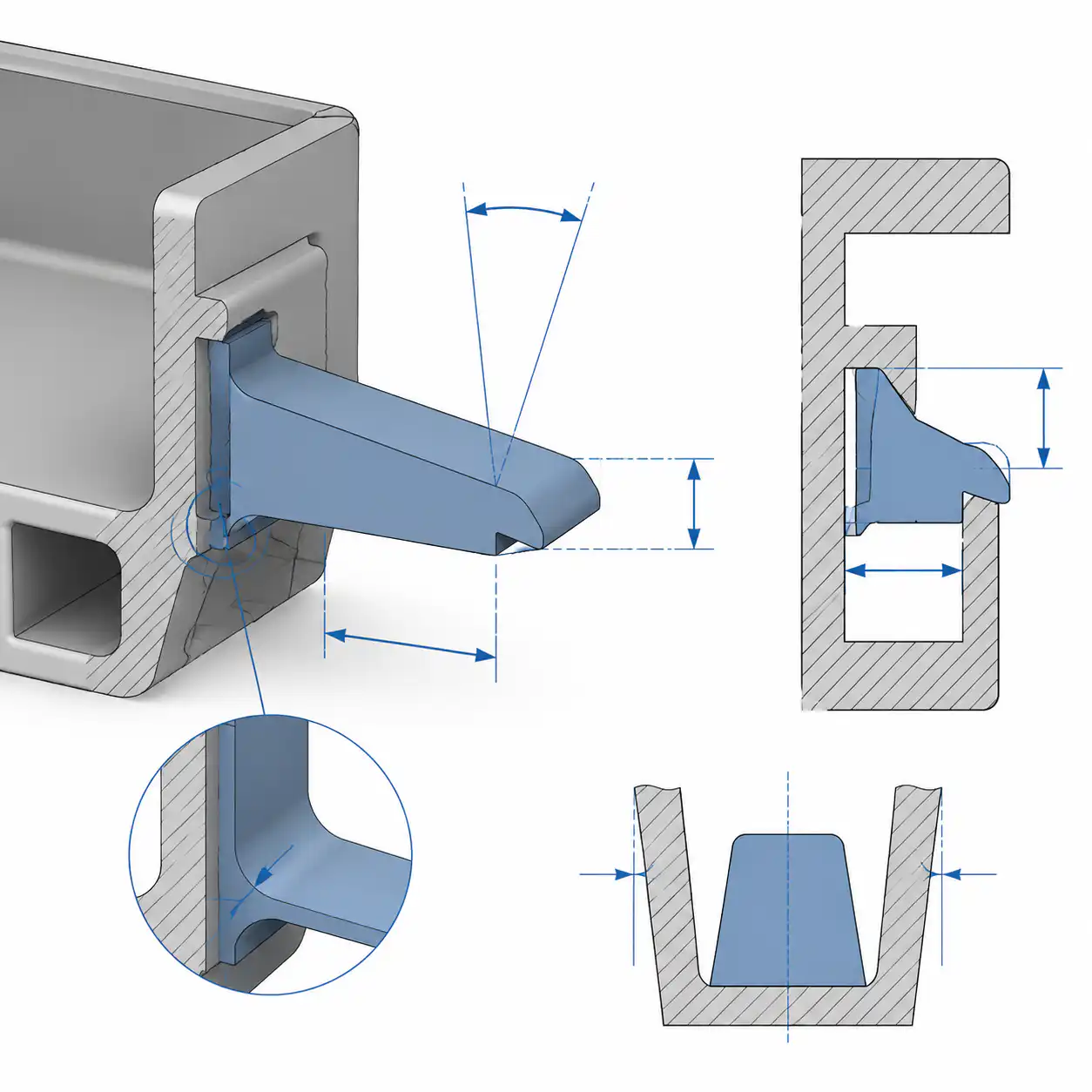
- ビームのアスペクト比: 長さ対厚さの比率は5:1~10:1。5:1未満ではたわみが小さすぎて剛性が高くなりすぎ、10:1を超えると座屈のリスクがあり、金型充填が不安定になる。.
- テーパー: 梁の厚さを根元から先端にかけて25~50%の割合で直線的に薄くする。テーパー加工により曲げひずみが均等に分散され、許容たわみが40~60%増加する。.
- 根の半径: ビームの根元部では、半径を0.5 mm以上確保すること。鋭角があると、3倍以上の公称曲げ応力に相当する応力集中が生じ、確実に破断が始まる。.
- アンダーカットの深さ: アンダーカットの深さは0.5~1.5 mmに抑えてください。アンダーカットが深くなると、より長いビームが必要となり、金型の構造が複雑になります(リフターやスライドが必要になります)。.
- ゲートの位置: スナップフィットの根元には絶対に直接ゲートを設けてはいけません。根元にゲートが設けられたスナップフィットでは、溶接線部分で強度が30~50%低下します。部品の反対側にゲートを設けてください。.
- 金型の分割線: スナップフィット部を金型の片側だけで完全に配置する。スナップビームを横切るパーティングラインによりバリが発生し、これが亀裂の発生源となる。.
業界別適用マトリックス
| 産業 | 代表的な部品 | スナップ式 | 推奨素材 |
|---|---|---|---|
| コンシューマー・エレクトロニクス | スマホケース、リモコンケース、ノートパソコンのベゼル | カンチレバー(複数) | PC/ABS—剛性+靭性+表面仕上げ |
| 自動車 | 内装パネル、空調用通気口、ヒューズカバー | カンチレバー+環状 | PP-TD20—低コストで、室温下でも優れたスナップ性能を発揮 |
| メディカル | 使い捨てデバイスのハウジング、バイアルホルダー | カンチレバー | PPホモポリマー—滅菌可能、100万回以上のヒンジサイクル |
| インダストリアル | 機械用ガード、電気機器用筐体 | カンチレバー(重荷重用) | PA6 調整済み—靭性+80°Cでの連続使用 |
コスト決定の枠組み
スナップフィットによる 部品の追加コストゼロ、組立人件費ゼロ—射出成形において最もコスト効率の高い締結方法である。1つのカンチレバー式スナップにより、1接合部あたり、ネジ+インサート+組立コストの約$0.03~0.08を削減できる。.
6本のネジと真鍮製インサートを6つのスナップフィットに置き換えた製品の場合、1個あたりのコスト削減額はおよそ$0.30~0.50となります。 年間100,000個の生産量の場合、年間コスト削減額は$30,000~50,000となります。.
トレードオフ: スナップフィットは金型の複雑さを増します。アンダーカットが4箇所ある金型の場合、リフターやスライドが必要となり、それぞれ$2,000~5,000のコスト増となります。しかし、その投資対効果は極めて高く、組立工程のコスト削減により、10,000~20,000個の生産で金型コストを回収できます。.
よくある不具合と解決策
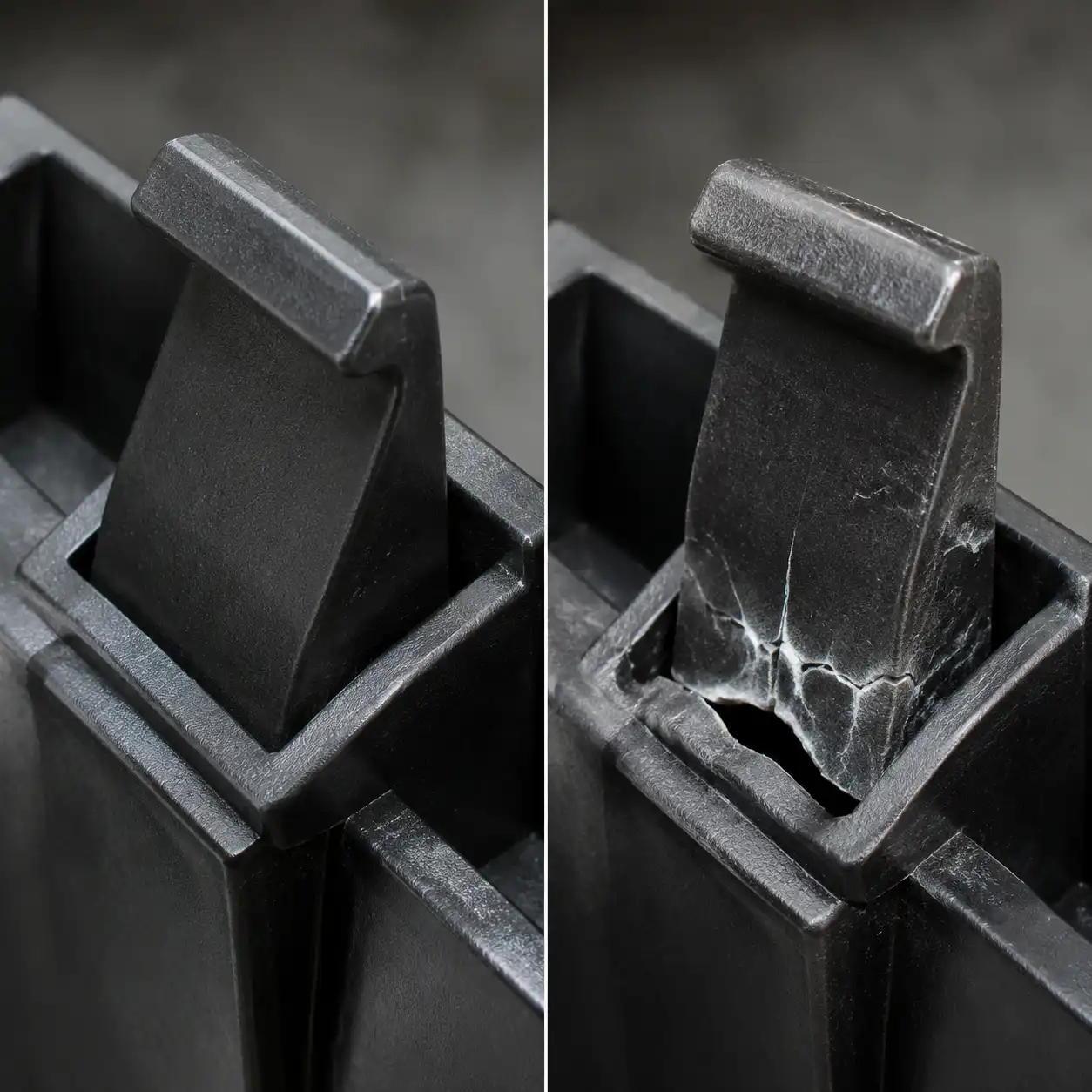
| 欠陥 | 外観 | 根本原因 | 解決策 |
|---|---|---|---|
| 初回嵌合時の破折 | スナップビームが完全に噛み合う前に破損する | たわみが材料の降伏ひずみを超えている | ビーム長を20~30%に延長する;テーパー形状を採用する;より高いひずみ耐性を持つ材料に切り替える |
| クリープ緩和 | Snapは数週間から数ヶ月の間にユーザー定着率が低下する | 使用温度下では、継続的な応力がクリープ限界値を超える | エンゲージメントの負荷を50%の収率未満に低減する;ガラス繊維強化材を使用する;二次ロックを追加する |
| 疲労破壊 | 繰り返し使用(50~500サイクル)するとスナップが破損する | 疲労寿命の目標値に対してひずみ振幅が大きすぎる | 10Kサイクル以上において、ひずみを20%の降伏応力以下に維持すること。根部の半径を十分に大きくすること。 |
| カビの付着 | 射出時のスナップビームの破損や擦り傷 | サイドウォールのドラフト不足またはアンダーカット | すべての垂直面に0.5~1°のドラフトを付け、SPI A2以上になるよう研磨する |
プロジェクトにナイロンプラスチックを選ぶ理由
精密製造
30以上のCNCおよび射出成形セルが1つの施設に集結
ISO 9001:2015
認証済みの品質管理システム、完全な検査報告書
納期:15~25日
迅速な納期に対応し、優先処理オプションもご利用いただけます
国際配送
北米、欧州、アジアへの航空・海上輸送
「スナップフィット設計ガイド」をダウンロード
材料選定表、設計ルール、サプライヤー評価チェックリストを網羅した無料のPDFリファレンスガイド。.
関連記事
このプロジェクトにおいて、ナイロンプラスチックでどのようなカスタマイズが可能か
ナイロンプラスチック社は、材料の改質に加え、製品設計、金型設計・製作、射出成形、CNC加工、3Dプリントを統合しています。適切な適用範囲は、一般的な材料名から安易に決定するのではなく、図面や使用条件に基づいて選定されます。.
| カスタマイズエリア | 検討すべき選択肢 | 必要な情報 |
|---|---|---|
| 材料の選定 | Unfilled or reinforced nylon and alternative polymer review | Assembly cycles, strain, temperature, moisture and chemical exposure |
| Joint geometry | Cantilever, annular or torsional concept and tolerance review | CAD, mating part, insertion force and retention target |
| Tooling strategy | Parting line, shutoff, draft, ejection and side-action DFM | Undercut direction, cosmetic zones and mold constraints |
| Validation route | 3D print, CNC, prototype tool or production mold planning | What must be tested and how closely it must represent production material |
見積依頼(RFQ)チェックリスト
- CAD for both mating components and the assembly direction
- One-time or repeated-use requirement and target cycle count
- Insertion, retention and allowable removal force
- Material, conditioning state and operating environment
- Annual volume, appearance class and validation method
DFMのサポート、NDAの取り決め、材料や組成に関する文書、および検査要件については、見積りの際に協議可能です。提供の可否は、プロジェクトの範囲および合意された品質計画によって異なります。.
レビューから本番環境へ
- 定義: 図面、アプリケーション、環境、およびボリュームを共有する。.
- レビュー: 材料、プロセス、DFM、および検証に関するリスクを比較する。.
- 検証: 必要に応じて、サンプル、3Dプリント、CNC加工、または試作金型を活用する。.
- 制作: 合意された検査が完了してから、金型や生産を開始すること。.
概要
| 決断の分かれ目 | What Matters Most | 購入者への注意事項 |
|---|---|---|
| Deflection | Material strain limit | Keep the snap below its safe flex range |
| Root stress | Radius and thickness | Control the root first to avoid early failure |
| Assembly force | Lead-in angle and draft | Reduce insertion effort without weakening retention |
| 最適な用途 | Repeatable enclosure and housing assembly | Design for assembly, not just retention |
関連記事
よくある質問
Can Nylon Plastic recommend a material for a snap fit?
The review can compare unfilled PA, PA-GF20, PA-CF30 and other engineering plastics against allowable strain, fatigue, moisture, temperature and assembly use. The final recommendation needs the actual beam geometry and cycle requirement.
Can a snap-fit undercut be molded without a side action?
Sometimes a flexible part can strip from the tool, but the decision depends on undercut depth, material strain, draft, surface and ejection direction. Tooling review is required before assuming a simple mold.
How should a repeated-use snap fit be validated?
Define the assembly cycle count, insertion and retention force limits, temperature and conditioning state. Test representative production-material parts after aging or environmental exposure when those conditions matter.
What should be sent for a snap-fit DFM quote?
Send both mating CAD models, drawings, assembly direction, force targets, material preference, cycle requirement, annual volume and any cosmetic or tooling restrictions.
What is the most common snap-fit design mistake?
The most common mistake is checking only initial retention while ignoring root strain, moisture-conditioned dimensions, assembly speed and repeated cycles. Review the root radius and material condition before finalizing the mold.
Request a Custom Snap-Fit Review
Send the drawing, mating part, operating conditions, assembly cycle target, material preference and expected quantity for a DFM review.