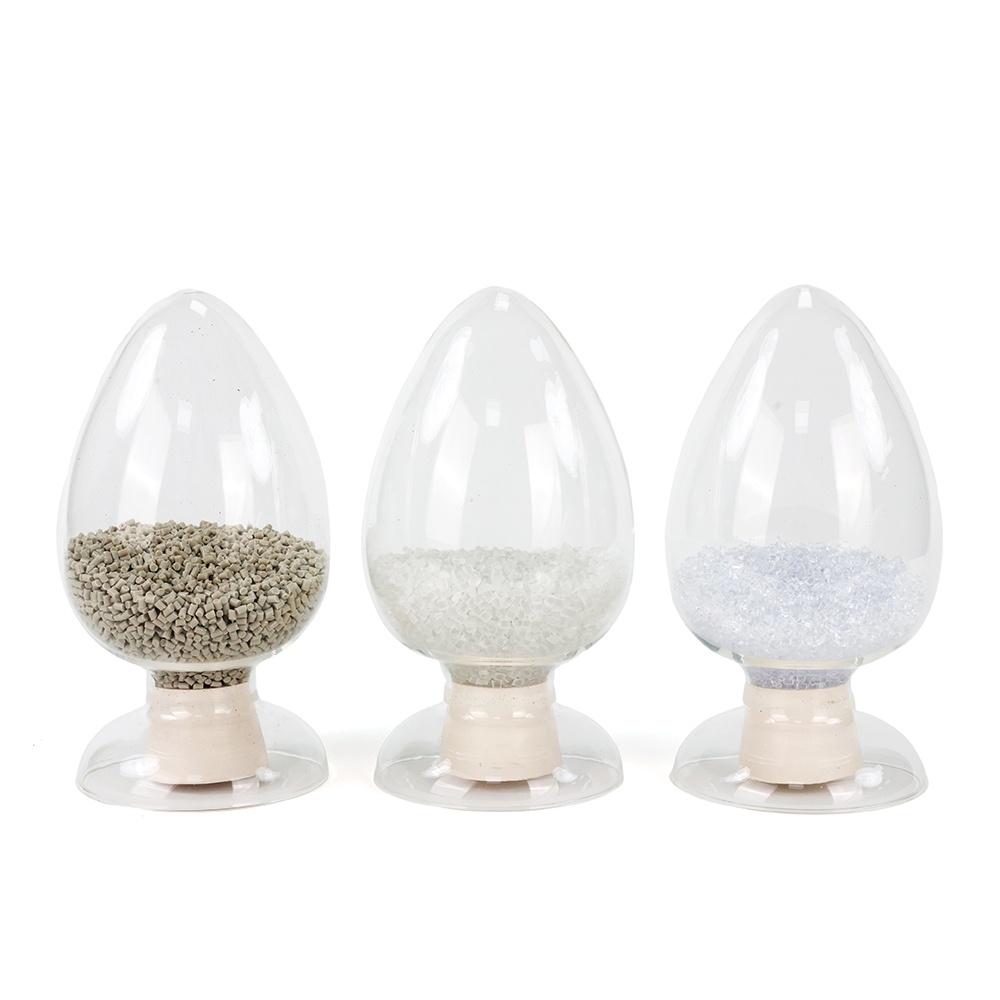
PTFE これは、選択肢を比較したり、限界を確認したり、リスクの少ないプロセスを選定したりする必要がある場合、実用的な工学上のテーマとなります。.
When printing with standard filaments like PLA or PETG, a brass nozzle performs well. However, abrasive filaments containing carbon fiber, glass fiber, or metal particles will rapidly wear through brass, causing dimensional inaccuracies and eventual print failure.
What Makes Filaments Abrasive
Carbon fiber reinforced filaments are highly abrasive with fiber hardness around 200 HB. Glass fiber is even harder at 500 HB. Metal-filled and glow-in-the-dark filaments also cause rapid wear. Our PA6-CFフィラメント is optimized for reliable printing.
Nozzle Materials Compared
Brass nozzles (hardness 55-100 HB) last 10-50 hours with CF filament. Hardened steel (700-900 HB) provides 200-500 hours of use. Ruby nozzles (1500+ HB) offer unlimited wear life for production environments.
Print Settings for Hardened Nozzles
Increase temperature by 5-10°C vs brass due to lower thermal conductivity. Extrusion may need 2-5% more flow. First layer settings may require adjustment.
Source Quality Abrasive Filaments
As a specialized source manufacturer, we supply carbon fiber and glass fiber reinforced filaments with consistent diameter tolerance (±0.03mm). お問い合わせ for technical support and samples.
無料見積もり
下記のフォームにご記入いただければ、エンジニアが24時間以内に対応いたします。.
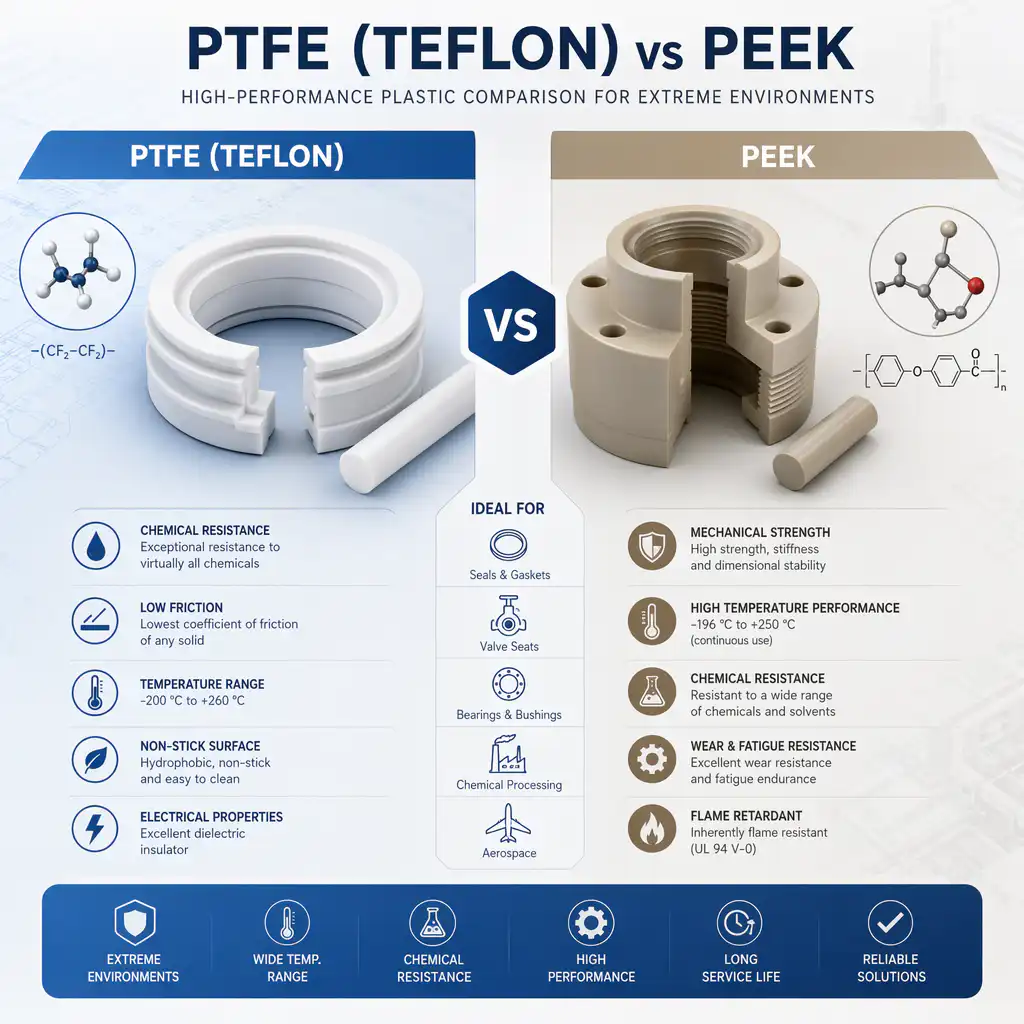
PTFE vs PEEK Material Decision Table
| 要件 | PTFE | 覗き見 |
|---|---|---|
| Friction and release | Very low friction and strong non-stick behavior | Low friction with much higher structural strength |
| Temperature and load | Excellent chemical and temperature resistance, but limited stiffness under load | High continuous-use capability with better stiffness, wear and creep resistance |
| Processing | Often machined or compression-processed; filled grades change behavior | Requires controlled high-temperature molding, machining or printing |
| Part selection | Seals, liners and low-friction interfaces | Loaded bushings, insulators and precision structural wear parts |
Choose from the completed load, temperature, friction and chemical envelope. Confirm grade, filler, surface finish and dimensional test method rather than relying on the base polymer name alone.
よくあるご質問
「PTFE(テフロン)とPEEK――過酷な環境向け高性能プラスチックの比較」は、どのような場合に適しているのでしょうか?
「PTFE(テフロン)対PEEK — 過酷な環境向け高性能プラスチックの比較」は、成形品の単価よりも、迅速な試作、複雑な形状、低い金型コスト、あるいは少量生産が重視される場合に適した選択肢です。.
PTFE(テフロン)とPEEKのどちらを選ぶ前に確認すべき点とは?――過酷な環境下における高性能プラスチックの比較
部品サイズ、材料特性、表面仕上げ、寸法公差、熱暴露、荷重方向、後処理が必要かどうかを確認する。.
PTFE(テフロン)とPEEK――過酷な環境向け高性能プラスチックの比較――は、CNC加工においてどのような違いがあるのでしょうか?
3Dプリンティングは複雑な形状を素早く作ることができるが、CNC機械加工は精密な表面、より厳しい公差、生産グレードの材料に強いことが多い。.
PTFE(テフロン)とPEEKのコストにどのような要因が影響するか――過酷な環境下における高性能プラスチックの比較とは?
コストは、材料、造形量、印刷時間、レイヤーの高さ、サポート除去、仕上げ、検査、造形物の部品数によって異なる。.