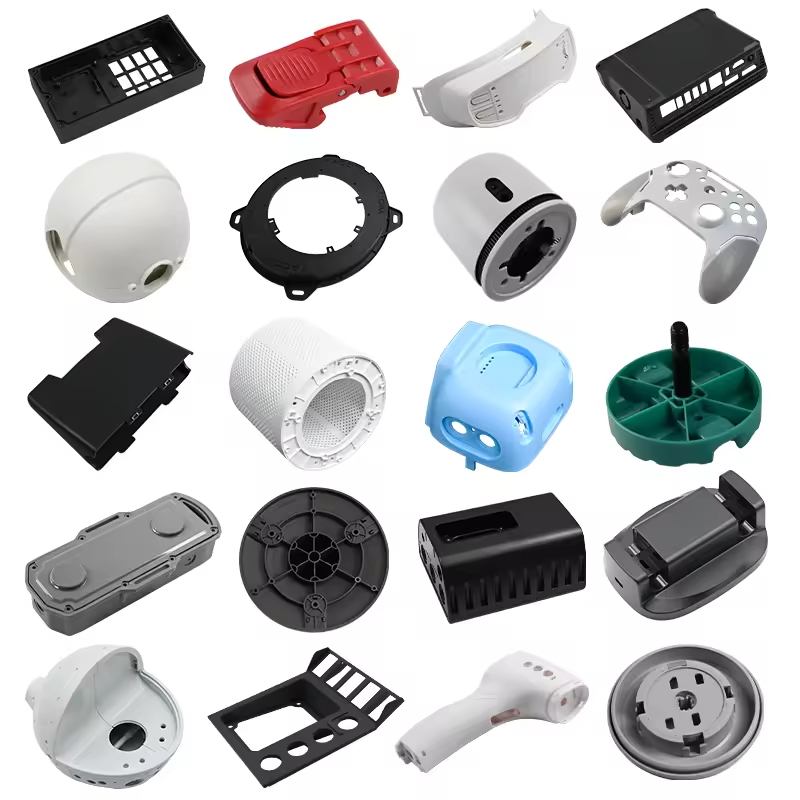
Every manufacturing process involves trade-offs, and nylon injection molding is no exception. Understanding both the strengths and limitations helps you determine when this process is the right choice for your application—and when alternative approaches might serve you better.
The Advantages of Nylon Injection Molding
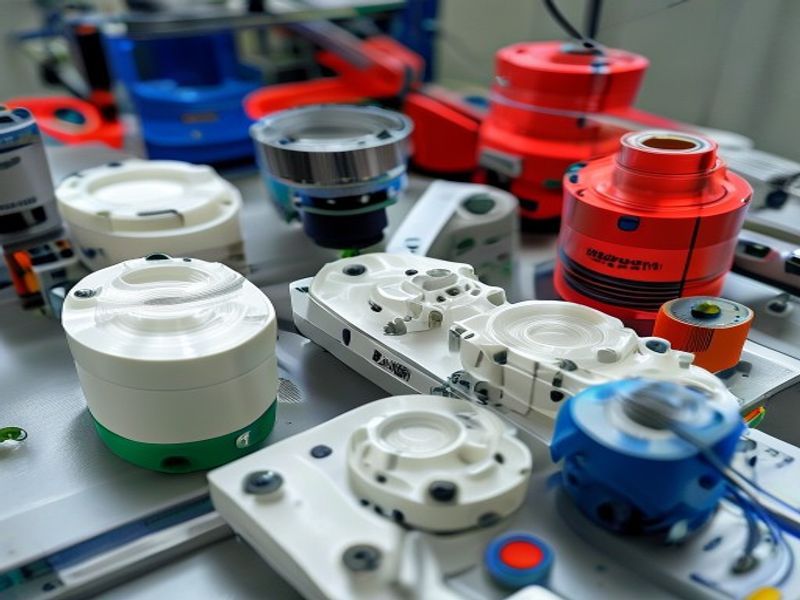
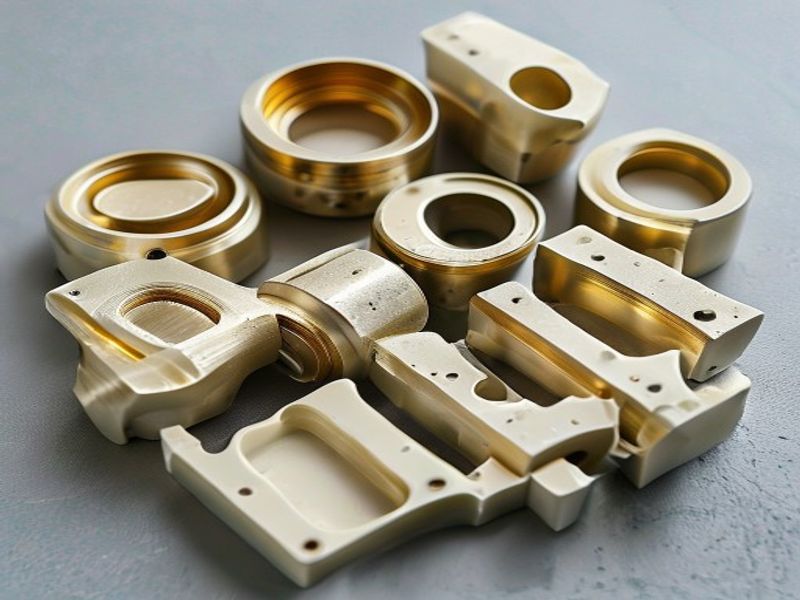
Exceptional Mechanical Properties
Nylon delivers outstanding strength-to-weight ratio, excellent fatigue resistance, and good impact toughness. These properties make it suitable for demanding applications in automotive, industrial, and consumer products. Injection molding preserves and enhances these properties through proper processing.
Chemical and Thermal Resistance
Nylon resists many oils, greases, solvents, and fuels—making it ideal for under-hood automotive applications and chemical handling equipment. Continuous use temperatures up to 120°C (250°F) are achievable with standard grades, with high-temperature grades extending this range.
耐摩耗性・耐擦傷性
Low friction coefficient and excellent wear characteristics make nylon perfect for gears, bearings, and sliding components. Internal lubricants (PTFE, MoS2) can be compounded in to further enhance these properties.
Cost-Effective at Scale
Once tooling investment is made, per-part costs become very competitive. Material costs for nylon are reasonable compared to engineering thermoplastics like PEEK or PPS, while delivering sufficient performance for most applications.
The Limitations to Consider
水分吸収
Nylon absorbs moisture from the environment—up to 2.5% for PA6 at equilibrium. This causes dimensional changes and affects mechanical properties.
| Nylon Type | Equilibrium Moisture (50% RH) | 次元の変化 |
|---|---|---|
| PA6 | 2.7% | +0.7% linear |
| PA66 | 2.5% | +0.6% linear |
| PA12 | 0.7% | +0.2% linear |
| PA6+30%GF | 1.3% | +0.3% linear |
Processing Sensitivity
Nylon requires thorough drying before processing—residual moisture causes splay, voids, and molecular weight degradation. Processing windows are narrower than amorphous materials, requiring skilled operators and well-maintained equipment.
Shrinkage Variability
Semi-crystalline materials exhibit higher and more variable shrinkage than amorphous plastics. Glass-filled nylons have anisotropic shrinkage, complicating mold design and dimensional control.
よくあるご質問
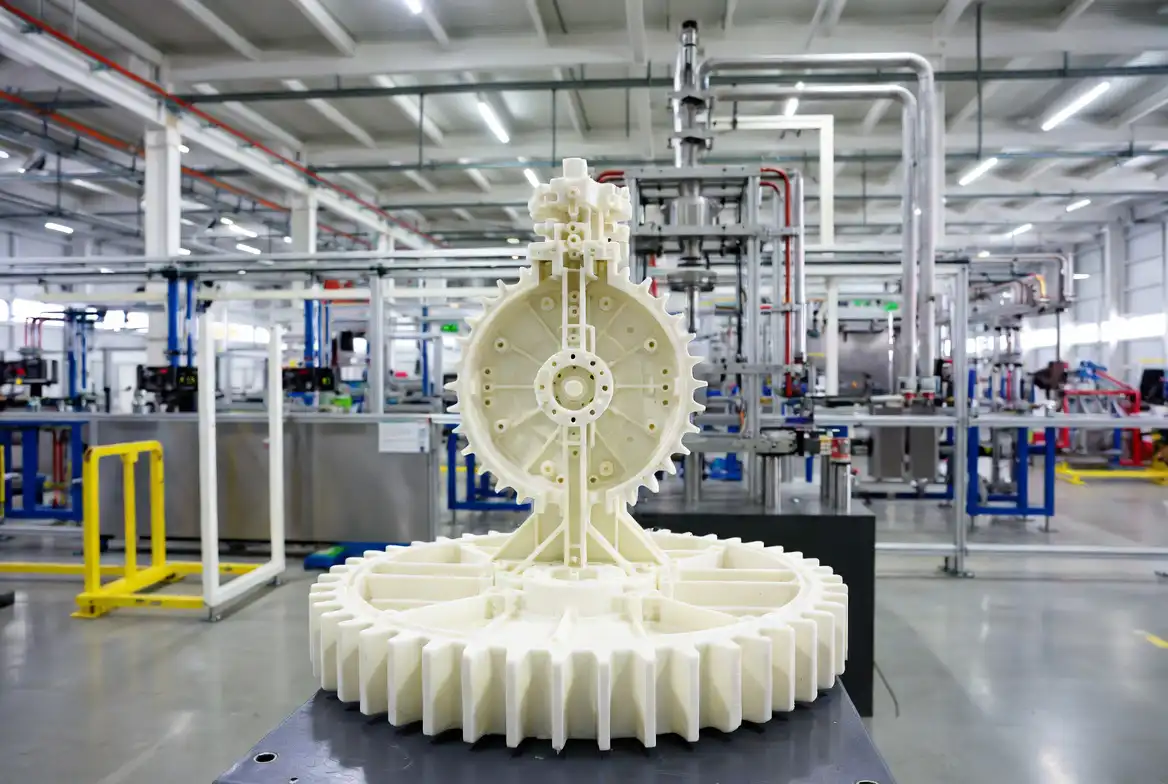
When does The Pros and Cons of Nylon Injection Molding: A Complete Guide make sense?
The Pros and Cons of Nylon Injection Molding: A Complete Guide makes sense when the part volume, material choice, geometry, and repeatability needs justify mold design and tooling investment.
What design factors matter most for The Pros and Cons of Nylon Injection Molding: A Complete Guide?
肉厚、リブ、ボス、抜き勾配、ゲート位置、収縮、パーティングライン、およびエジェクションは、いずれも成形品の品質に影響を与えます。.
金型製作の前に、どのような情報が必要ですか?
サプライヤーは、3Dモデル、材質、予想年間生産数量、外観要件、公差要件、および組み立てや機能試験に関する要件を確認する必要があります。.
What is the biggest risk in The Pros and Cons of Nylon Injection Molding: A Complete Guide?
最大のリスクは、実際の用途において、材料の挙動、収縮、流動性、および部品の機能が十分に確認される前に、金型を承認してしまうことです。.