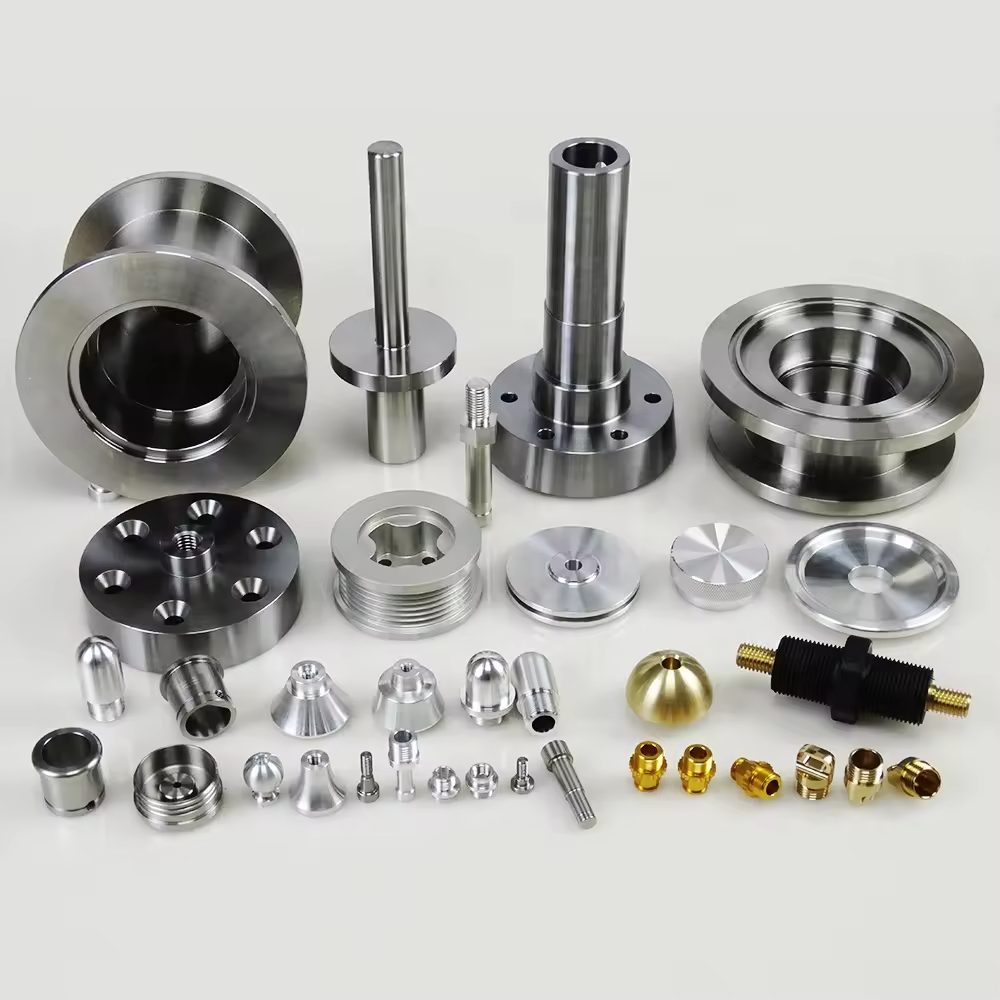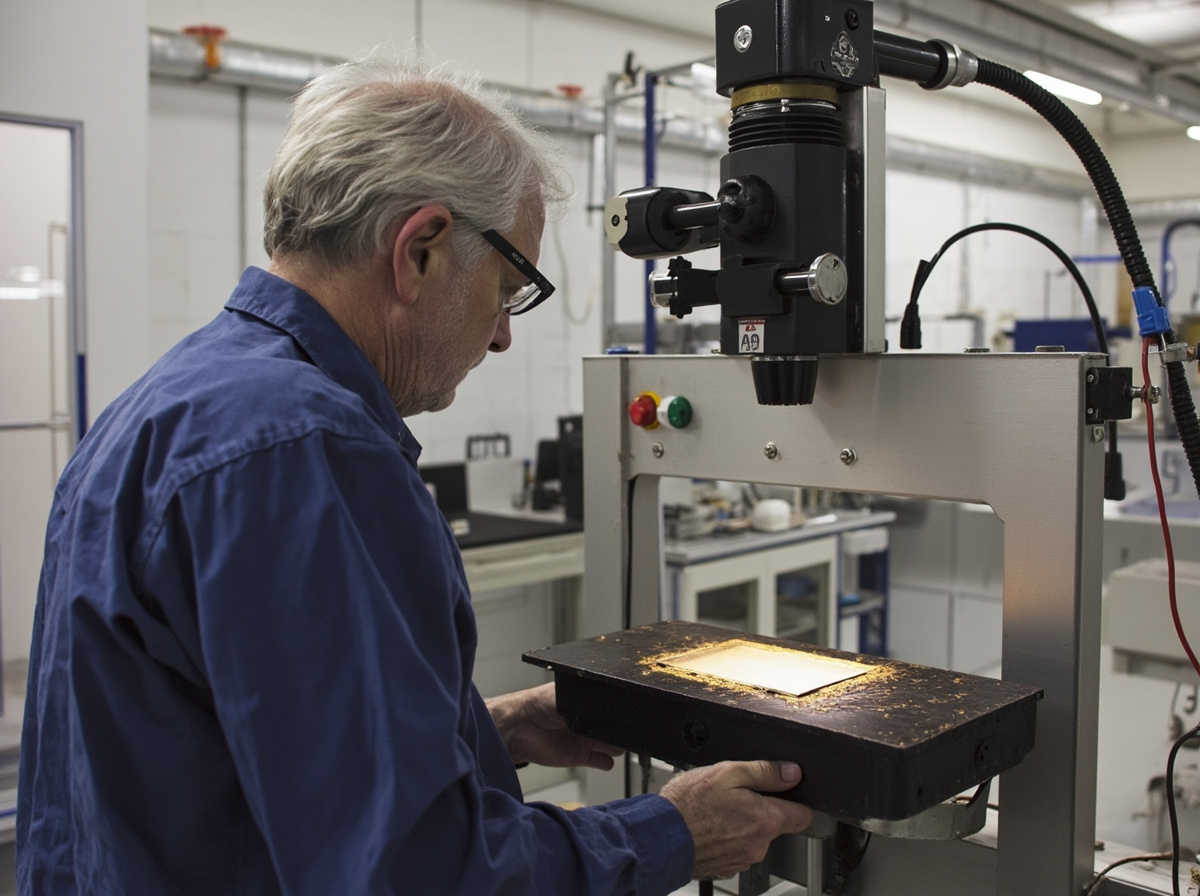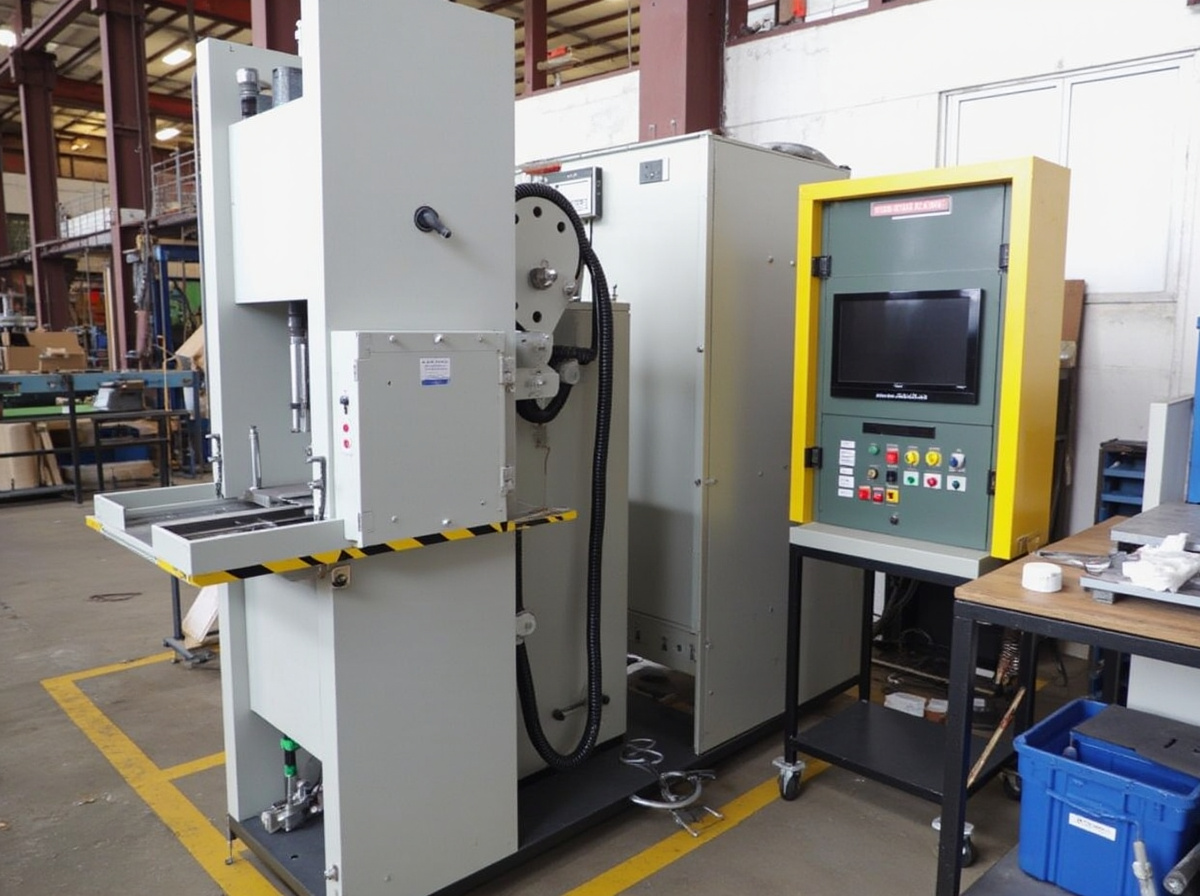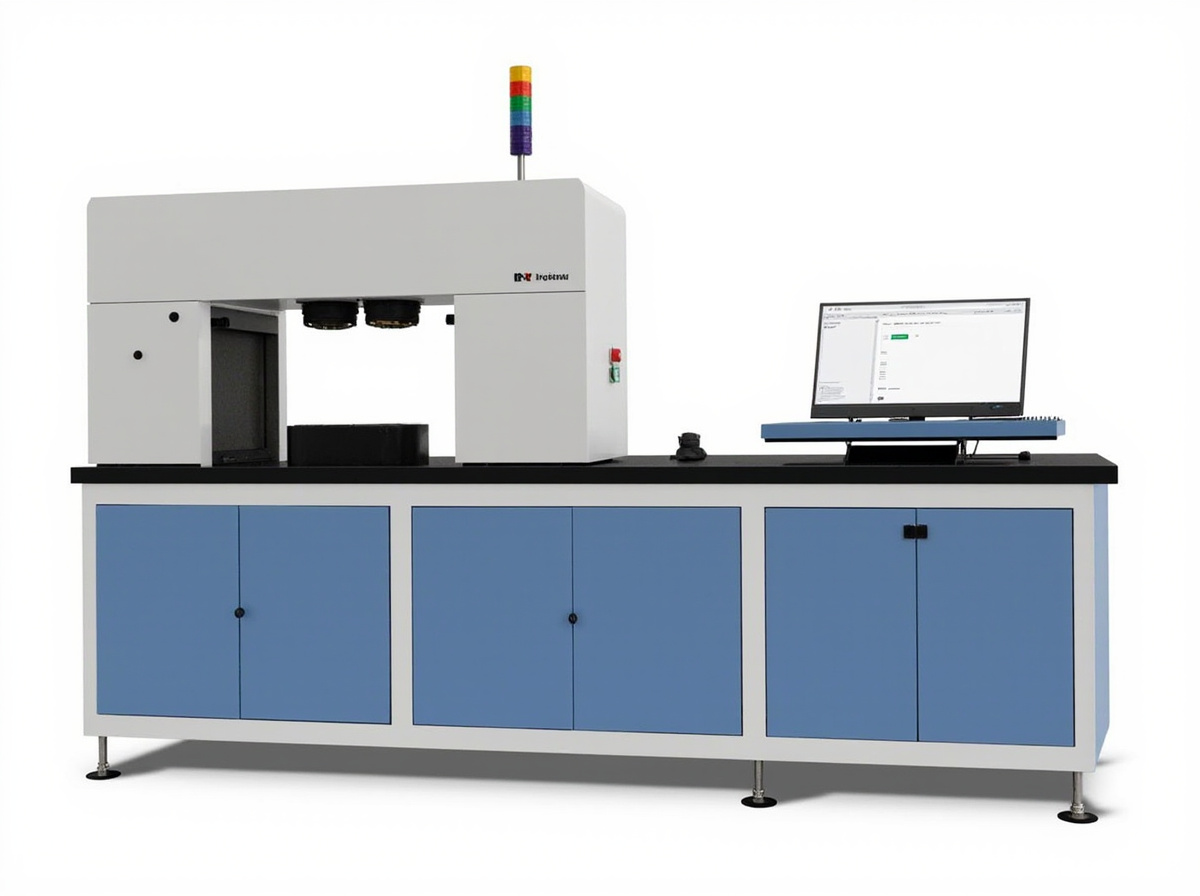
Properties of Metals represents Complete Guide to Metallurgical Characteristics one of the most important concepts in materials engineering and industrial applications. This comprehensive guide examines the fundamental aspects, measurement techniques, and practical applications of properties of metals, providing engineers and technical professionals with essential knowledge for material selection and process optimization.

基本的な特性と特徴
The properties of metals properties determine their suitability for specific industrial applications. Key characteristics include mechanical strength, chemical resistance, thermal behavior, and processing capabilities. Understanding these fundamental properties enables optimal material selection across diverse engineering contexts.

産業用途
| アプリケーションエリア | 特定用途 | パフォーマンス要件 | 素材の利点 |
|---|---|---|---|
| 製造業 | 部品生産 | 高い強度、耐久性 | 費用対効果、信頼性50> |
| 建設 | 構造要素 | 耐荷重 | 長寿命 |
| エレクトロニクス | 電気部品 | 導電率、安定性 | パフォーマンスの一貫性 |
| 自動車 | 自動車部品 | 重量の最適化 | 燃費 |
| 航空宇宙 | 航空機構造 | 高い強度対重量 | 安全性が重要 |
製造工程
properties of metals manufacturing involves specialized processes tailored to material properties and application requirements. Common manufacturing methods include casting, forging, machining, and additive manufacturing, each offering distinct advantages for specific component geometries and performance criteria.

材料選択の考慮点
Selecting properties of metals for engineering applications requires evaluating multiple performance criteria against cost constraints and manufacturing feasibility. Key considerations include mechanical properties, environmental resistance, processing characteristics, and lifecycle costs.
パフォーマンス対コスト分析
Material selection balances performance requirements against economic constraints. properties of metals offers specific advantages in applications requiring [performance characteristic], though alternative materials may provide better cost-performance ratios for less demanding applications.
環境および規制要因
Environmental regulations and sustainability considerations increasingly influence material selection. properties of metals compliance with relevant standards and regulations must be verified for specific applications and geographic markets.

今後の展開と動向
Advancements in properties of metals technology continue to expand application possibilities while addressing sustainability concerns. Emerging trends include improved processing efficiency, enhanced material properties through alloy development, and increased focus on recyclability and circular economy principles.
結論
properties of metals represents a critical aspect of materials engineering with diverse industrial applications spanning manufacturing, construction, electronics, and beyond. Understanding its fundamental properties, measurement techniques, and application-specific considerations enables engineers and technical professionals to make informed decisions that balance performance, cost, and sustainability requirements.
よくあるご質問
How should buyers evaluate Properties of Metals: Complete Guide to Metallurgical Characteristics?
Properties of Metals: Complete Guide to Metallurgical Characteristics should be evaluated by matching strength, corrosion resistance, heat exposure, machinability, finishing requirements, and certification needs to the operating environment.
What properties matter most for Properties of Metals: Complete Guide to Metallurgical Characteristics?
最も重要な特性は、通常、強度、硬度、延性、耐食性、熱挙動、機械加工性、表面処理適合性などである。.
どのような情報が適切な金属等級の選択に役立つのか?
アプリケーションの負荷、環境、温度、接触材料、要求される仕上げ、製造工程、適用される規格はすべて、グレードの選択を絞り込むのに役立つ。.
What is a common mistake when choosing Properties of Metals: Complete Guide to Metallurgical Characteristics?
よくある間違いは、腐食、成形、機械加工、溶接、仕上げ、長期使用条件などを無視して強度だけで選ぶことである。.