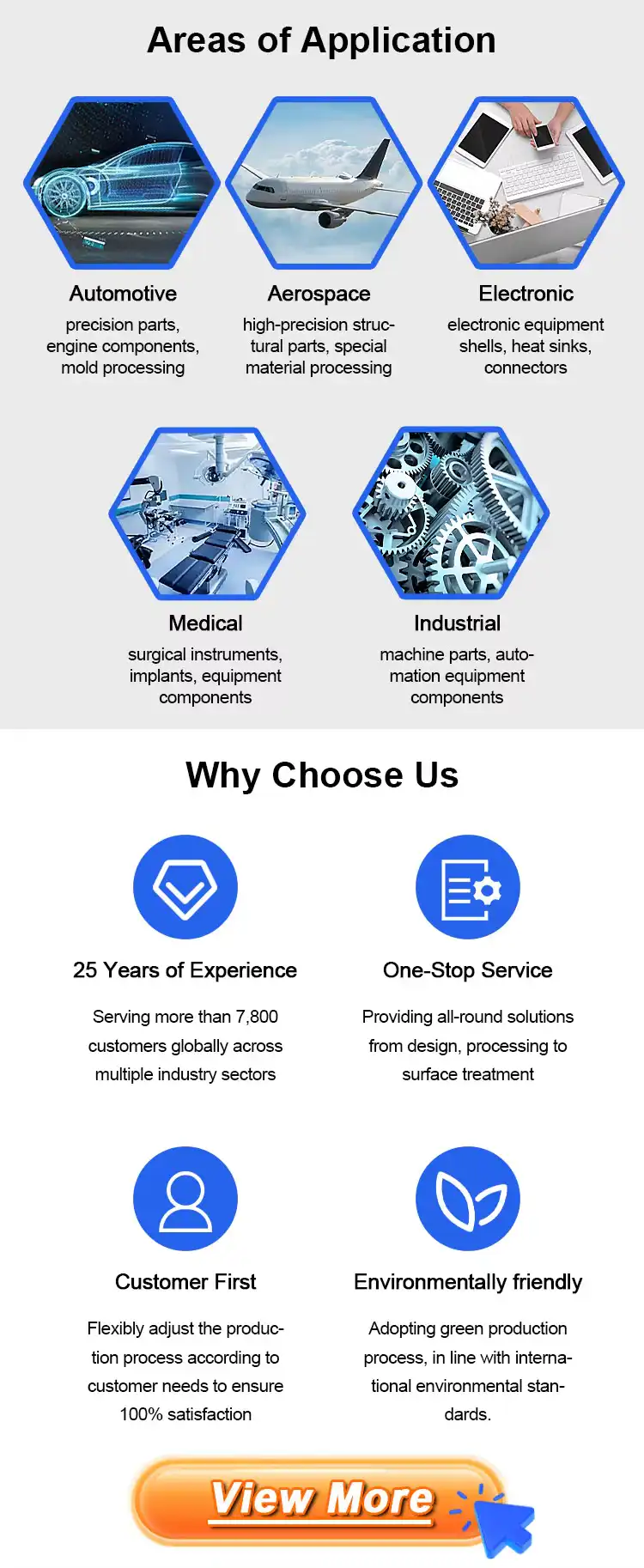
CNC加工部品:精密エンジニアリング

メイン02

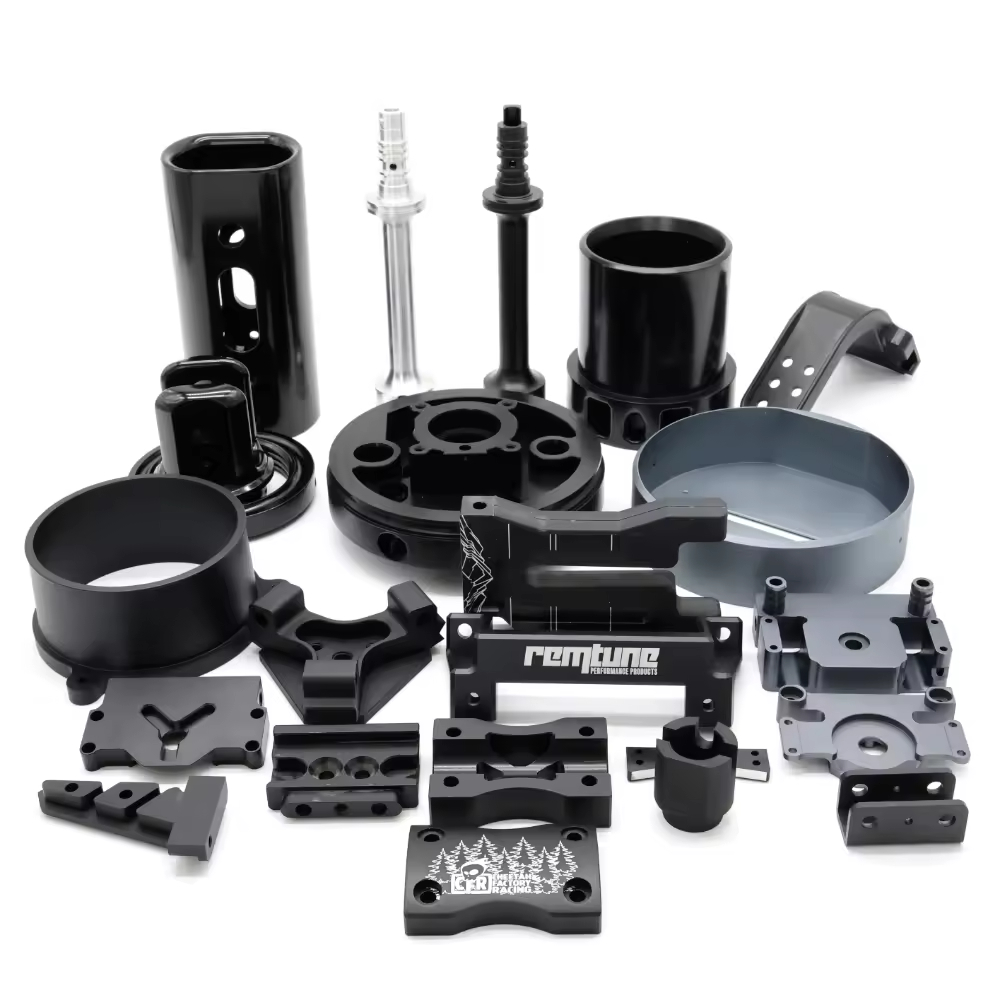
CNC加工部品 represent the gold standard in modern manufacturing, delivering unparalleled precision, repeatability, and design flexibility across virtually every industrial sector. From mission-critical aerospace components to intricate medical implants and custom automotive parts, Computer Numerical Control (CNC) machining transforms digital designs into high-tolerance physical reality. This guide explores the capabilities, materials, and applications of CNC machined parts, and how precision manufacturing partners deliver excellence from prototype to production.

メイン04

The CNC Advantage: Precision, Repeatability, and Complexity

CNC machining has revolutionized manufacturing by offering capabilities that traditional manual machining cannot match. Understanding these advantages helps in selecting the right process for your components.

  • Uncompromising Precision and Accuracy: Modern CNC machines achieve dimensional tolerances down to ±0.0001 inches (±2.5 microns), with measurement accuracy as tight as ±0.0000020 inches in specialized applications . This level of precision is essential for aerospace, defense, and medical components where even microscopic deviations can lead to failure .
  • Exceptional Repeatability for Production Runs: Once a CNC program is perfected, every subsequent part is identical to the first. This repeatability ensures consistent quality across production volumes, from low-volume runs of 25-100 pieces to high-volume output exceeding 4,000 complex parts per month .
  • Complex Geometries Made Possible: Multi-axis CNC machining centers—ranging from 3-axis to 5-axis and even 7-axis systems—enable the production of intricate shapes, undercuts, and compound angles in a single setup . This eliminates multiple fixtures and reduces error accumulation.
  • 素材の多様性: CNC machines work with an extensive range of engineering materials, from common metals and plastics to exotic alloys and advanced composites . This flexibility allows engineers to select the optimal material for their application without manufacturing constraints.
  • Rapid Prototyping and Iteration: CNC machining enables quick turnaround of prototype parts for form, fit, and function testing. Design iterations can be produced in days rather than weeks, accelerating development cycles .
詳細 12

CNC Machining Materials: A Comprehensive Guide

Material selection is the most critical decision in any CNC machining project, directly impacting part performance, cost, and manufacturability . Below is a detailed overview of common materials and their applications.

素材カテゴリー Specific Material 主要物件 代表的なアプリケーション
Aluminum Alloys 6061-T6 Excellent machinability, good strength, corrosion resistant, cost-effective  Brackets, housings, prototypes, consumer goods 
7075-T6 Very high strength-to-weight ratio (~1.5x 6061), good fatigue resistance  Aerospace structural parts, high-performance automotive components 
Steels Carbon Steel (e.g., 1045) High strength, excellent wear resistance, cost-effective  Gears, shafts, construction components, machine parts 
Tool Steel (e.g., 1.2842) Extreme hardness, wear resistance  Cutting tools, dies, molds 
ステンレス鋼 303 Stainless Excellent machinability, good corrosion resistance  High-volume precision parts, fittings, fasteners 
304 Stainless Most common stainless, excellent corrosion resistance, good formability  Food processing equipment, medical devices, architectural components 
316L Stainless Superior corrosion resistance (especially to salt water/chemicals), biocompatible  Marine components, medical implants, chemical processing equipment 
チタン Grade 5 (Ti-6Al-4V) Exceptional strength-to-weight ratio, excellent corrosion resistance, biocompatible  Aerospace components, medical implants, high-performance automotive parts 
Copper & Brass Copper (C101) Excellent electrical and thermal conductivity  Electrical components, heat sinks, bus bars 
Brass (e.g., 360) Excellent machinability, good corrosion resistance, aesthetic appearance  Fittings, valves, decorative hardware, connectors 
エンジニアリングプラスチック POM (Acetal/Delrin) High stiffness, dimensional stability, low friction, excellent machinability  Gears, bearings, bushings, precision components 
ナイロン(PA6、PA66) Tough, wear-resistant, self-lubricating  Sliding parts, gears, bushings, wear strips 
ABS Good impact resistance, easy to machine, cost-effective  Prototypes, enclosures, consumer products 
ポリカーボネート(PC) High impact strength, optical clarity, heat resistant  Transparent covers, lenses, electronic components 
覗き見 Exceptional thermal stability, chemical resistance, high strength, biocompatible  Medical implants, aerospace components, high-temperature applications 
Advanced Composites CFRP (Carbon Fiber Reinforced Polymer) Extreme stiffness-to-weight ratio, high strength  Aerospace, automotive racing, sports equipment 
詳細 03

The CNC Machining Process: From Design to Finished Part

Understanding the manufacturing workflow helps in planning projects and communicating effectively with machining partners.

ステージ Core Activities Quality Outcomes
1. Design for Manufacturability (DFM) – Engineers review CAD models for manufacturability .
– Identify potential issues like deep pockets, sharp internal corners, or thin walls .
– Recommend design optimizations to reduce cost and improve quality.
A design optimized for efficient production, reduced cycle times, and minimal material waste.
2. Material Selection & Procurement – Material is selected based on functional requirements, machinability, and cost .
– Stock is procured in appropriate forms (bar stock, plate, billet).
Ensured material traceability and quality, matching the part’s performance needs.
3.CNCプログラミングとセットアップ – CAM (Computer-Aided Manufacturing) software generates toolpaths.
– Fixturing and workholding solutions are designed.
– Tools are selected based on material and geometry.
Optimized machining strategy for precision and efficiency.
4. Machining Operations CNC Milling: 3-axis to 5-axis machining for complex geometries .
CNC Turning: For cylindrical parts on lathes .
Multi-tasking: Combined mill-turn operations complete parts in single setups .
EDM (Electrical Discharge Machining): For hardened materials and intricate features .
Parts produced to exact specifications with tight tolerances and excellent surface finishes.
5. Secondary Operations & Finishing – Deburring, polishing, and surface finishing.
– Heat treatment for enhanced mechanical properties .
– Surface treatments: Anodizing, plating, powder coating, passivation .
Enhanced corrosion resistance, aesthetics, and functional performance.
6.品質保証と検査 – In-process and final inspection using CMM (Coordinate Measuring Machines).
– Documentation of inspection data and process logs .
– Compliance with industry standards (ISO 9001, AS9100, IATF 16949) .
Guaranteed part quality, traceability, and compliance with regulatory requirements.
ab6de357854f943b5b059acefe5a2bbf1w

Industries Served by CNC Machining Parts

CNC machining is the backbone of modern manufacturing, serving virtually every industry that demands precision and reliability .

産業 アプリケーション 重要な要件
航空宇宙・防衛 Engine components, turbine disks (with fir tree patterns), structural airframe parts, hydraulic spool and sleeve valves, UAV frames, satellite components  Ultra-high precision, traceability, lightweight materials (titanium, aluminum), AS9100 certification 
自動車 Engine parts (crankshafts, pistons, cylinders), transmission components, suspension parts, custom brackets, prototype parts for new vehicle designs  High-volume consistency, cost-effectiveness, durability 
Medical & Dental Surgical instruments, orthopedic implants (hip/knee), dental implants, prosthetics, medical device housings, diagnostic equipment components  Biocompatible materials (titanium, PEEK), sterilization compatibility, ISO 13485 
エレクトロニクス Enclosures, connectors, heat sinks, milled PCBs, miniature components for smartphones and computers  Miniaturization, thermal management, precision tolerances 
産業機械 Gears, bearings, custom tooling, machine components, hydraulic system parts  Wear resistance, durability, interchangeability
Energy Sector Components for wind turbines, solar panels, oil and gas drilling equipment, pipeline fittings  Corrosion resistance, ability to withstand harsh environments 
消費者製品 Custom phone cases, personalized kitchenware, sports equipment, decorative hardware  Aesthetic finishes, cost-effective production 
h56a0d4fa1b32452da731cae6bfc65084b

Precision Machining Capabilities: What to Look For in a Partner

Choosing the right CNC machining partner is critical for project success. Key capabilities to consider include:

能力 説明 ベネフィット
Multi-Axis Machining 3, 4, 5, and up to 7-axis CNC machining centers  Complex geometries in single setups, reduced handling, higher accuracy
Tight Tolerance Control Dimensional tolerances down to ±0.0001″ or better  Suitable for aerospace, defense, and medical applications
素材の汎用性 Experience with aluminum, steel, stainless, titanium, Inconel, engineering plastics, composites  One partner for diverse project requirements
Automation & Volume Flexibility Robotic loading, palletized cells for 24/7 operation; capable of both low-volume (25-100 pieces) and high-volume (4,000+ parts/month) production  Scalable solutions from prototyping to mass production
Quality Management Systems ISO 9001, AS9100, IATF 16949, ISO 13485 certifications  Guaranteed quality, traceability, regulatory compliance
Integrated Secondary Services Finishing (anodizing, plating), heat treatment, assembly, laser marking  Simplified supply chain, single-source accountability
detail 19

FAQ: CNC Machining Parts

Q1: What is the difference between CNC milling and CNC turning?
A: CNC milling involves rotating a cutting tool against a stationary workpiece to remove material, allowing for complex shapes and features like slots, holes, and 3D contours. CNC turning involves rotating the workpiece while a stationary cutting tool shapes it, typically for producing cylindrical parts like shafts, bushings, and pulleys . Many modern parts require both operations, often performed on multi-tasking mill-turn machines .

Q2: How do I choose the right material for my CNC machined parts?
A: Material selection should be based on functional requirements first, then cost. Consider mechanical loads, operating environment (temperature, chemicals, moisture), required certifications (e.g., FDA, biocompatibility), and aesthetic needs. Aluminium 6061 and 304 stainless are excellent starting points for general-purpose parts due to their machinability and availability . For high-performance applications requiring maximum strength-to-weight, consider 7075 aluminum or titanium .

Q3: What are typical lead times for CNC machined parts?
A: Lead times vary based on complexity, material availability, and quantity. Simple prototypes can be produced in 3-5 days with rapid CNC services. Production tooling and first articles typically require 4-6 weeks, with subsequent production runs of 2-4 weeks after approval . Widely available materials like 6061 aluminum and 304 stainless enable faster turnaround .

Q4: What surface finishes are available for CNC machined parts?
A: Standard CNC machining produces a 3.2 µm Ra surface finish unless specified otherwise . Post-processing options include: anodizing (Type II or III) for aluminum, passivation for stainless steel, powder coating, painting, polishing (brass/aluminum achieve mirror finishes down to 0.2 µm Ra), bead blasting, and black oxide coating . Material choice affects achievable finish—brass and aluminum polish best, while glass-filled plastics are difficult to cosmetically finish .

Q5: How does CNC machining compare to 3D printing for parts?
A: CNC machining offers superior material properties, tighter tolerances, and better surface finishes, making it ideal for functional end-use parts and components requiring specific mechanical characteristics. 3D printing excels at highly complex geometries and rapid iteration with lower setup costs, but material options and mechanical properties are often more limited. Many manufacturers use both technologies complementarily—3D printing for early prototypes, CNC for production .

Q6: What is Design for Manufacturability (DFM) and why is it important?
A: DFM is the engineering practice of designing parts to optimize them for the manufacturing process. For CNC machining, DFM analysis identifies features that are difficult or expensive to machine—such as deep pockets with small tools, sharp internal corners, or very thin walls—and suggests alternatives that maintain functionality while reducing cost and lead time . Early DFM engagement can reduce production costs by up to 80% .

Q7: Can you manufacture custom CNC parts with tight tolerances?
A:もちろんだ。. Nylon Plastic specializes in precision CNC machining for custom parts across all industries. Our advanced 5-axis machining centers, experienced engineers, and rigorous quality management systems ensure that even the most demanding specifications are met consistently. エンジニアリングチームへのお問い合わせ to discuss your project requirements.

Conclusion: Precision Manufacturing for Your Critical Components

CNC加工部品 represent the intersection of advanced digital design and precision material removal, enabling the creation of components that drive modern industry. Whether you need mission-critical aerospace components, life-saving medical devices, or high-performance automotive parts, partnering with an experienced CNC machining provider ensures quality, reliability, and efficiency.

あなたのデザインに命を吹き込む準備はできていますか? Nylon Plastic offers comprehensive CNC machining services backed by decades of material science expertise and precision manufacturing experience. From DFM analysis to production and finishing, we deliver parts that meet the most demanding specifications.

見積依頼 | エンジニアリング・チームへのお問い合わせ

よくあるご質問

When is CNC Machining Parts: Precision Engineering for Demanding Industries the right choice?

CNC Machining Parts: Precision Engineering for Demanding Industries is the right choice when the part requires machined accuracy, controlled surfaces, repeatable features, and a material that can be cut reliably.

What should be confirmed before ordering CNC Machining Parts: Precision Engineering for Demanding Industries?

製造開始前に、図面のバージョン、材料等級、公差、数量、重要寸法、表面仕上げ、検査要件を確認する。.

What usually drives cost in CNC Machining Parts: Precision Engineering for Demanding Industries?

コストは通常、材料、段取り時間、機械時間、公差の難易度、治具、工具アクセス、仕上げ、検査、注文数量によって左右される。.

How can quality risk be reduced in CNC Machining Parts: Precision Engineering for Demanding Industries?

重要なフィーチャーを明確にマーキングし、不必要な厳しい公差を避け、製造可能性を早期に確認し、重要な寸法の検査データを使用することで、品質リスクを低減します。.
カスタムソリューションを作りましょう

このフィールドは必須です。.
このフィールドは必須です。.
このフィールドは必須です。.
このフィールドは必須です。.
このフィールドは必須です。.

関連記事

トップに戻る