プラズマ切断:プロセス、能力、産業用途

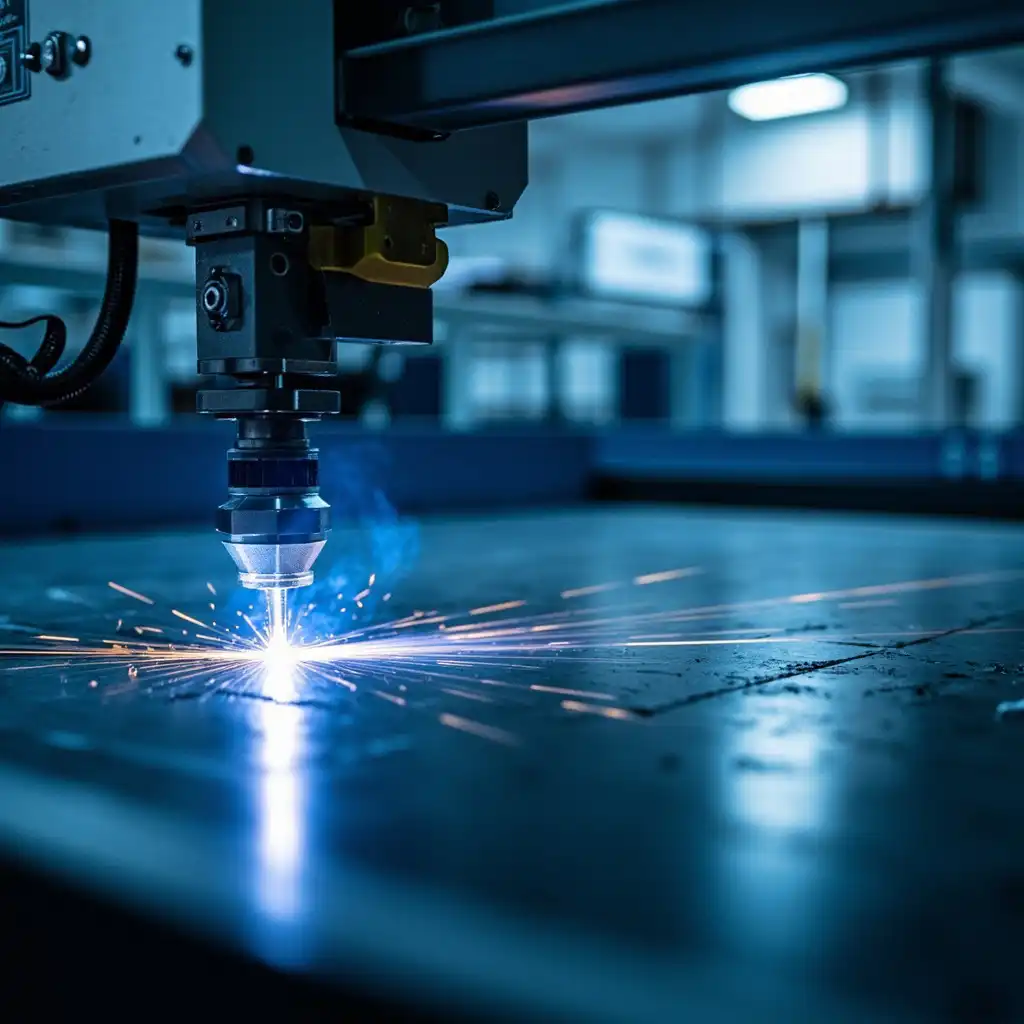
Plasma cutting in operation
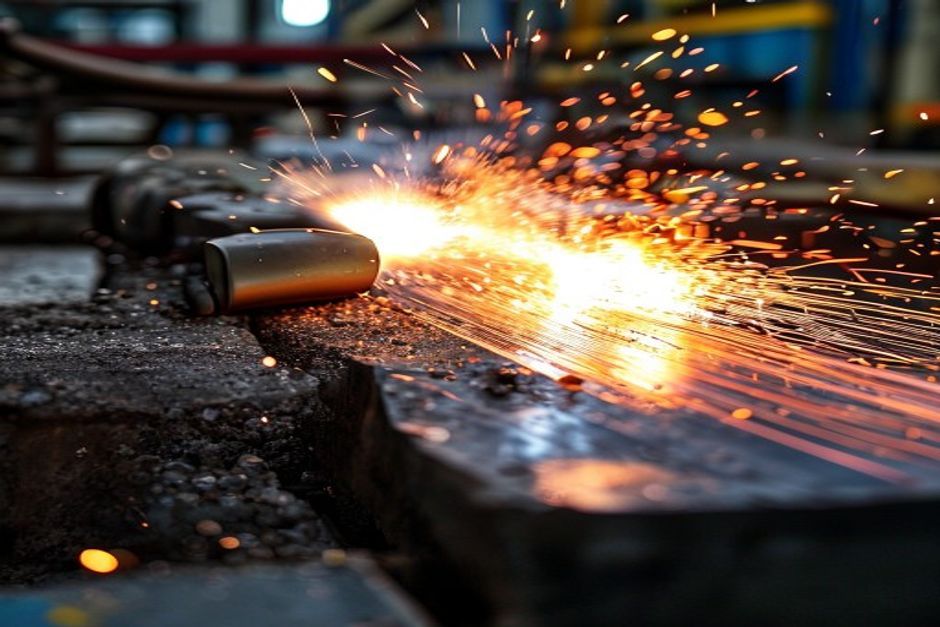
Plasma cutting uses a constricted arc to ionize gas and melt conductive materials at high speed

Plasma cutting is a CNC-controlled thermal cutting process that uses a constricted electrical arc to ionize gas (typically compressed air, nitrogen, or oxygen) into a plasma state, reaching temperatures of 25,000°C to 30,000°C. This superheated plasma jet melts the workpiece and blows away molten material, creating a kerf as narrow as 0.05 inches. Plasma cutting is one of the fastest methods for cutting conductive metals up to 2 inches thick.

プラズマ切断:プロセス、能力、産業用途
プラズマ切断:プロセス、能力、産業用途
プラズマ切断:プロセス、能力、産業用途
プラズマ切断:プロセス、能力、産業用途

How Plasma Cutting Works

The plasma cutting process begins with an electrical arc struck between the electrode (typically hafnium or zirconium) and the workpiece. Compressed gas flows through the torch nozzle, where the arc constricts the gas stream, raising its temperature until it reaches plasma state (ionized gas). The plasma jet exits the nozzle at velocities exceeding 20,000 feet per minute, melting and ejecting material along the cut path.

主要なプロセスパラメータ

  • Current (Amps): Determines cutting thickness capability. 30-40 amp units cut up to 0.5 inches; 100+ amp units cut 1.5-2 inches in steel.
  • Gas Type: Compressed air (most common, lowest cost); nitrogen (cleaner cut, less oxidation); oxygen (faster cutting in steel, produces iron oxide slag); argon-hydrogen (for stainless and aluminum).
  • Standoff Distance: The gap between the torch nozzle and workpiece — typically 0.1-0.25 inches. Too close causes double-arcing and nozzle damage; too far reduces cut quality.
  • Travel Speed: Balances cut quality, dross formation, and productivity. Too slow causes excessive heat-affected zone; too fast causes incomplete penetration.

Plasma vs. Other Cutting Processes

ファクター Plasma レーザー ウォータージェット
Max Thickness (steel) 1.5-2.0 inches 0.5-1.0 inches (fiber) 12+ inches
Cut Speed (thin material) 高い Very High 中程度
HAZ (Heat-Affected Zone) 中程度 Minimal None (cold cutting)
材料の導電率 Must be conductive Any material Any material
運営コスト 低~中程度 中~高 Moderate (abrasive cost)

Materials Suitable for Plasma Cutting

Plasma cutting requires electrically conductive materials:

  • Mild Steel: Most common application; clean cuts up to 2 inches with oxygen plasma
  • ステンレス鋼: Nitrogen or argon-hydrogen plasma produces clean cuts with minimal oxidation
  • Aluminum and Alloys: Air plasma works well; nitrogen improves edge quality
  • 銅と真鍮: Cuttable, but high thermal conductivity requires higher amperage
  • Cast Iron: Cuttable, but graphite content causes arc instability

Not suitable: Non-conductive materials including most plastics, wood, glass, and composites cannot be plasma cut. For these materials, water jet or CNC routing are appropriate alternatives.

産業用途

  • Structural Steel Fabrication: Beam, channel, and plate cutting for construction and infrastructure
  • Automotive Repair and Restoration: Body panel fabrication, frame modification, exhaust system cutting
  • HVAC Ductwork: Sheet metal cutting for heating, ventilation, and air conditioning systems
  • Shipbuilding and Marine: Thick plate cutting for hull sections and structural components
  • Artistic and Architectural Metalwork: Decorative panels, signage, and custom metal fabrications

利点と限界

メリット

  • High cutting speed on conductive metals up to 2 inches
  • Lower equipment cost than laser cutting systems
  • Portable handheld units available for field work
  • Minimal preheating required compared to oxy-fuel cutting

制限事項

  • Only conductive materials can be cut
  • Heat-affected zone alters material properties near the cut edge
  • Dross (solidified molten metal) often requires post-cut grinding
  • Kerf width wider than laser cutting (0.05-0.125 inches vs. 0.008-0.040 inches)
  • Noise levels exceed 100 dB; requires hearing protection and sometimes enclosure

よくあるご質問

When is Plasma Cutting: Process, Capabilities, and Industrial Applications a good option?

Plasma Cutting: Process, Capabilities, and Industrial Applications is a good option when fast iteration, complex geometry, low tooling cost, or low-volume production is more important than molded-part unit cost.

What should be checked before choosing Plasma Cutting: Process, Capabilities, and Industrial Applications?

部品サイズ、材料特性、表面仕上げ、寸法公差、熱暴露、荷重方向、後処理が必要かどうかを確認する。.

How does Plasma Cutting: Process, Capabilities, and Industrial Applications compare with CNC machining?

3Dプリンティングは複雑な形状を素早く作ることができるが、CNC機械加工は精密な表面、より厳しい公差、生産グレードの材料に強いことが多い。.

What affects the cost of Plasma Cutting: Process, Capabilities, and Industrial Applications?

コストは、材料、造形量、印刷時間、レイヤーの高さ、サポート除去、仕上げ、検査、造形物の部品数によって異なる。.

カスタムソリューションを作りましょう

このフィールドは必須です。.
このフィールドは必須です。.
このフィールドは必須です。.
このフィールドは必須です。.
このフィールドは必須です。.

関連記事

トップに戻る