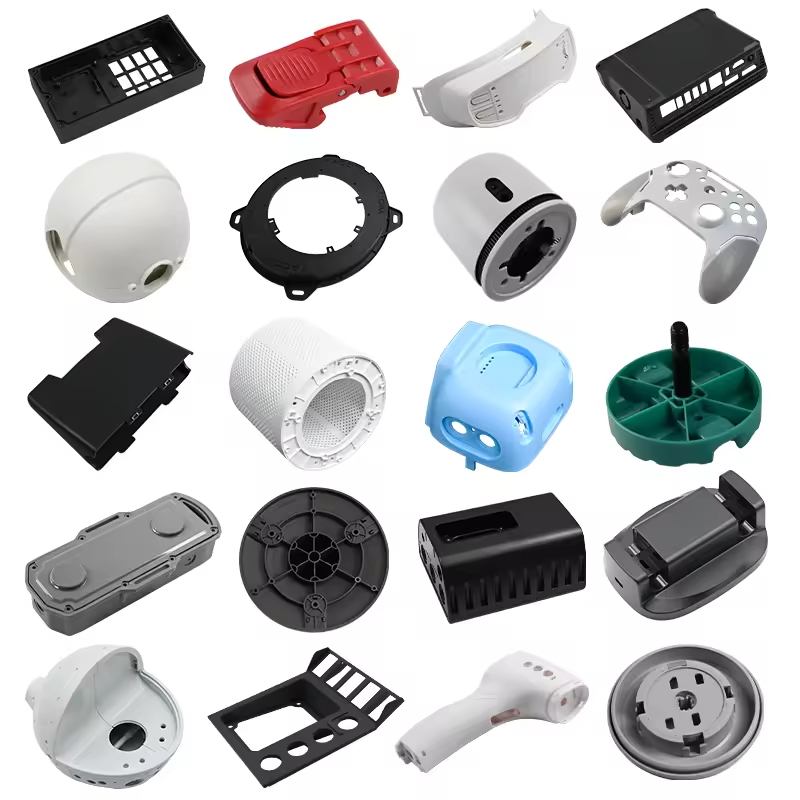
Family これは、選択肢を比較したり、限界を確認したり、リスクの少ないプロセスを選定したりする必要がある場合、実用的な工学上のテーマとなります。.
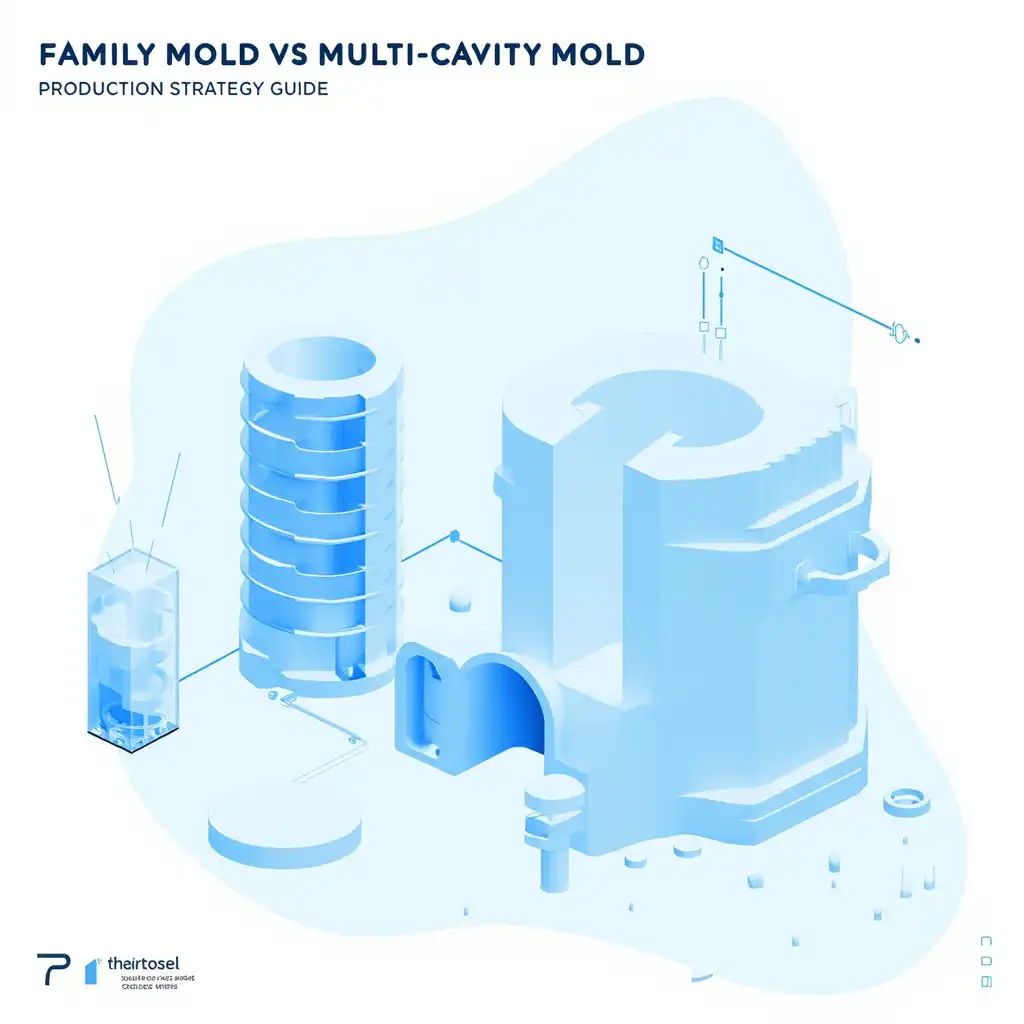
Understanding Mold Configurations
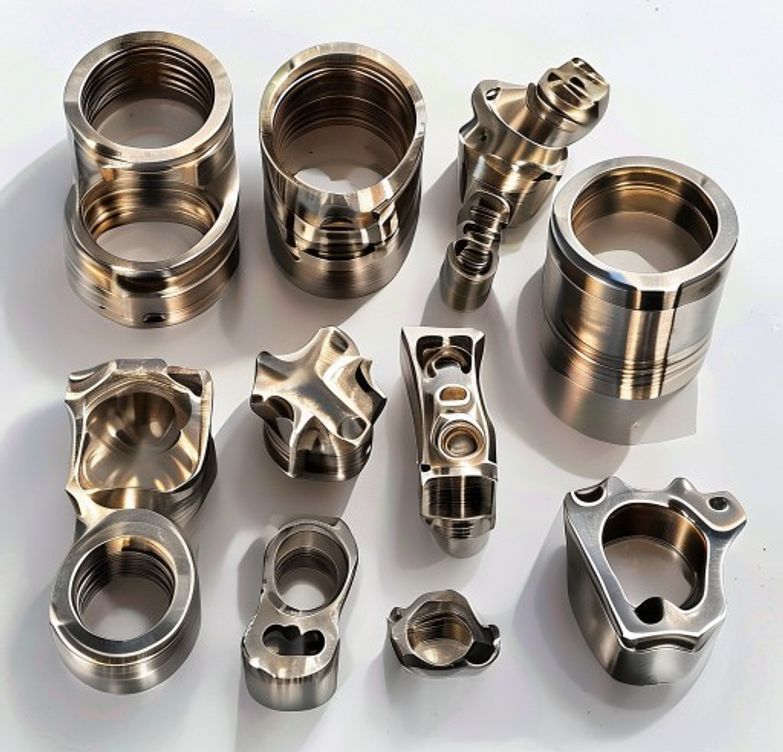
Mold configuration significantly impacts production cost, efficiency, and flexibility. Understanding the differences between family molds and multi-cavity molds helps optimize manufacturing strategy.
Multi-Cavity Molds
Multi-cavity molds produce multiple identical parts in a single cycle. All cavities are the same design.
メリット
- Maximum production efficiency
- Consistent part quality across cavities
- Easier process optimization
- Predictable cycle times
- Lower per-part cost at high volume
Challenges
- Higher mold cost
- Single part design per mold
- All cavities must be filled evenly
おすすめのアプリ
- High-volume single part production
- Parts requiring strict consistency
- Commodity components
ファミリー・モールド
Family molds produce different parts in the same mold. Multiple part designs share a single mold base.
メリット
- Lower total mold investment
- Produces multiple parts simultaneously
- Suitable for low-volume assemblies
- Reduces inventory complexity
Challenges
- Difficult to balance fill between cavities
- Different parts may need different cycle times
- Quality control more complex
- May require compromise on process parameters
おすすめのアプリ
- Low to medium volume assemblies
- Related parts with similar size and material
- Prototype and bridge production
Key Decision Factors
Design Considerations for Family Molds
Part Similarity
- Similar wall thickness
- Compatible materials
- Comparable shot sizes
- Similar cooling requirements
Runner Balance
- Design runner system to balance fill
- Consider different cavity sizes
- May need flow restrictors
Gating Strategy
- Different gate sizes for different cavities
- Position gates for optimal fill
- Consider automatic degating
Cost Analysis Example
Scenario: Assembly with 4 different plastic parts, 50,000 sets per year
- Option A: 4 single-cavity molds = $60,000 total
- Option B: 1 family mold (4 cavities) = $25,000
- Option C: 4 multi-cavity molds (8 cavities each) = $120,000
For this volume, the family mold offers the best cost-efficiency.
結論
Choose multi-cavity molds for high-volume, single-part production. Consider family molds for assemblies with multiple parts at lower volumes. Evaluate total cost, production needs, and part complexity.
関連リソース
よくあるご質問
When does Family Mold vs Multi-Cavity Mold — Production Strategy Guide make sense?
Family Mold vs Multi-Cavity Mold — Production Strategy Guide makes sense when the part volume, material choice, geometry, and repeatability needs justify mold design and tooling investment.
What design factors matter most for Family Mold vs Multi-Cavity Mold — Production Strategy Guide?
肉厚、リブ、ボス、抜き勾配、ゲート位置、収縮、パーティングライン、およびエジェクションは、いずれも成形品の品質に影響を与えます。.
金型製作の前に、どのような情報が必要ですか?
サプライヤーは、3Dモデル、材質、予想年間生産数量、外観要件、公差要件、および組み立てや機能試験に関する要件を確認する必要があります。.
What is the biggest risk in Family Mold vs Multi-Cavity Mold — Production Strategy Guide?
最大のリスクは、実際の用途において、材料の挙動、収縮、流動性、および部品の機能が十分に確認される前に、金型を承認してしまうことです。.