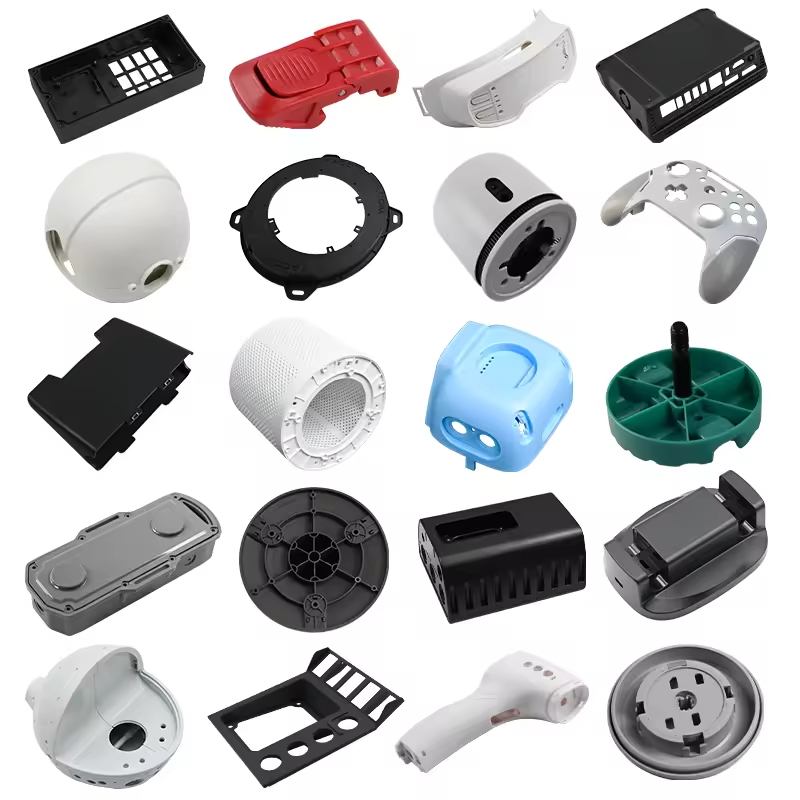
炭素繊維強化ナイロン66 これは、充填剤を含まないナイロンやガラス繊維強化ナイロンよりも剛性が高く、かつ軽量な構造用プラスチックが必要な場合に用いられます。最も一般的な用途は PA66-CF30, ここでは、30%炭素繊維を使用することで、多くのガラス繊維強化材と比較して、弾性率が向上し、寸法安定性が向上し、部品の重量が軽減されます。.
If the part also sees sunlight or humidity, review the UV stabilizer for nylon guide and nylon moisture absorption guide alongside this page.
重要なのは、炭素繊維強化ナイロン66が理論上より強度が高いかどうかではありません。重要なのは、その部品の剛性対重量比が、樹脂コストの上昇、導電性の変化、およびより厳格な成形管理を正当化するほど十分にメリットをもたらすかどうかです。.
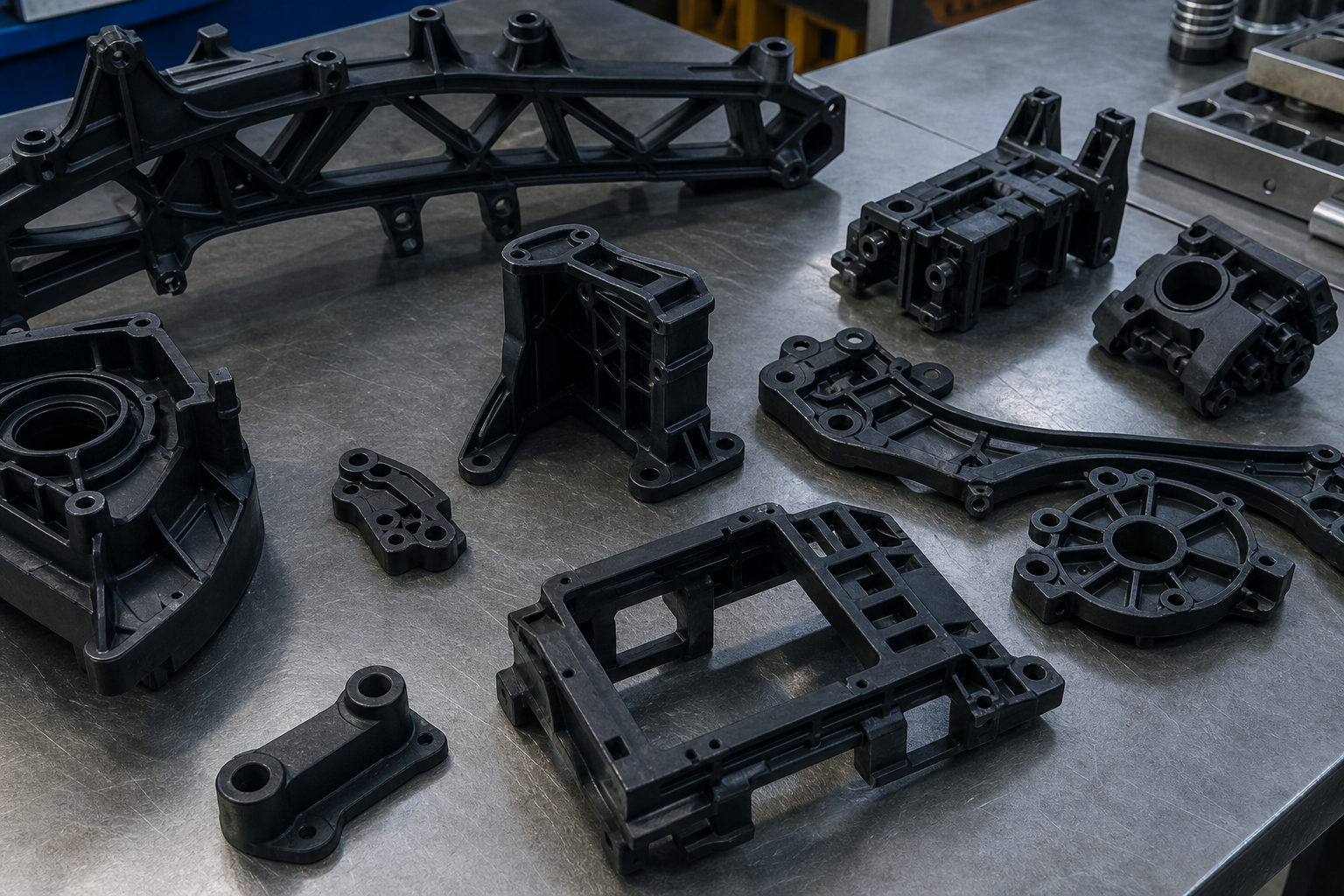
概要
| 意思決定領域 | PA66-CF30 要点 | 購入者確認 |
|---|---|---|
| 剛性 | 未充填のPA66よりもはるかに高い | 延性よりもたわみ制御がより重要となる場合に使用する |
| 重量 | 多くのガラス繊維強化構造材よりも軽量です | 重量に配慮が必要なアセンブリに有用です |
| 寸法安定性 | 一般的なナイロングレードよりも優れている | 引き続き、湿度および使用状態の確認を行う |
| 金型関連のリスク | 研磨性が強く、工程への依存度が高い | 金型用鋼材、ゲートの摩耗、および繊維の配向について、早い段階で確認する |
| 最適なサイズ | 剛性ブラケット、ハウジング、および荷重支持部品 | スナップの柔軟性が必要な場合は、デフォルトでは使用しないでください |
Unfilled PA66 vs PA66-GF20 vs PA66-CF30
Reinforcement should solve a defined part problem. Unfilled PA66 is usually the starting point when toughness, fatigue, wear, surface quality, and electrical insulation matter. PA66-GF20 adds moderate stiffness at a lower material and processing burden than carbon fiber. PA66-CF30 is justified when specific stiffness, directional dimensional control, weight, or a qualified electrical target matters enough to accept higher cost and tighter process control.
| Material Route | Best Starting Reason | Buyer Risk to Check |
|---|---|---|
| 未充填PA66 | Toughness, fatigue, wear, and easier molding | Moisture-driven dimensions and insufficient stiffness |
| PA66-GF20 | Moderate deflection and shrinkage control | Fiber orientation, surface texture, and weld-line strength |
| PA66-CF30 | High specific stiffness, low CTE directionally, or a qualified ESD route | Cost, conductivity, brittleness, anisotropy, and tool wear |
Do not substitute one route from a headline tensile value. Compare the exact grade in the expected moisture state and test direction, then validate the molded geometry.
PA66-CF30が実際の部品に及ぼす変化
PA66-CF30は弾性率を劇的に向上させ、充填材を多く含む代替品に比べて軽量化が可能です。また、部品の収縮特性、溶着線の挙動、および金型の経時的な摩耗の様相にも変化をもたらします。したがって、炭素繊維による補強は、樹脂、金型、ゲート、検査条件を総合的に考慮したシステム的な判断が求められるものです。.
構造用ブラケット、機械フレーム、キャリア、および寸法管理部品については、炭素繊維強化ナイロン66は、より汎用的なナイロン素材よりも優れた性能を発揮します。一方、クリップ、リビングヒンジ、あるいは衝撃を受けやすい部品については、データシート上の数値は魅力的であっても、この材料は適していない可能性があります。.
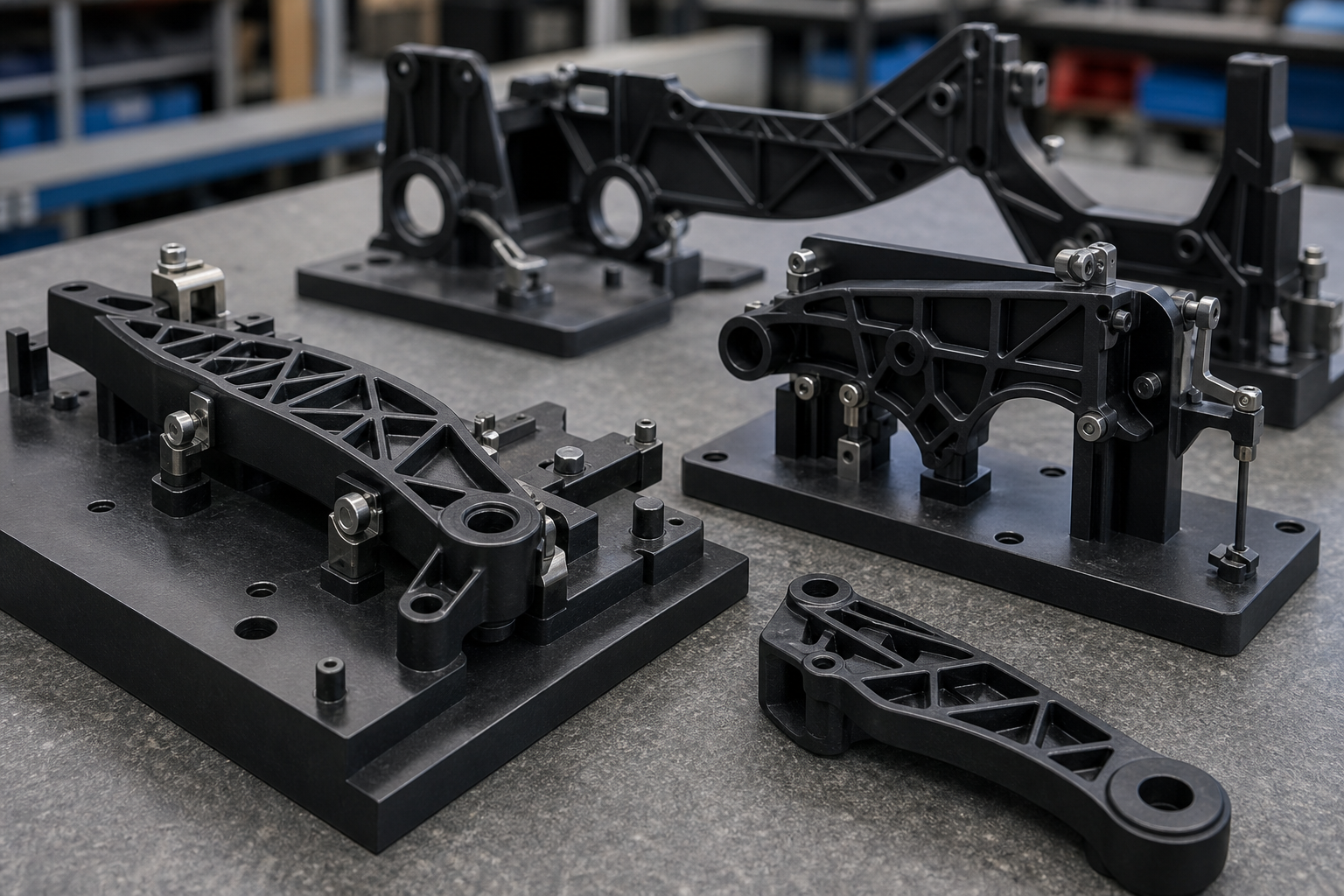
炭素繊維強化ナイロン66が最も効果を発揮する場面
- 荷重に左右される構造部品: 質量あたりの剛性が重要な場合。.
- 精密アセンブリ: 寸法公差の変動を低減しなければならない。.
- 高剛性ハウジング: 衝撃吸収性よりもたわみの少なさの方が重要となる場合。.
- 金属代替プロジェクト: 塑性変形経路に合わせて幾何形状がすでに再設計されている場合。.
よくあるリスクと実用的な対処法
| リスク | なぜそうなるのか | 実用的な解決策 |
|---|---|---|
| 局所的な脆性破壊 | 剛性が高いため、しなやかさが抑えられている | 素材のロックを行う前に、フィレット、ロードパス、およびノッチの感度を確認してください |
| 予期せぬ導電性の問題 | 炭素繊維は電気的特性を変化させる | その用途において、絶縁性またはESD特性が重要かどうかを確認してください |
| 工具の摩耗 | 繊維補強材は研磨性がある | 適切な工具鋼を使用し、摩耗箇所を保護してください |
| ワープまたは方向性のある挙動 | 繊維の配向は、収縮率と局所的な強度に影響を与える | 金型製作の引き渡し前に、ゲート配置とモールドフローを確認する |
炭素繊維とガラス繊維強化ナイロン66の比較
ガラス繊維強化PA66は、通常、コスト面での利点がある構造用材料として選ばれます。一方、軽量化や高い剛性対重量比、あるいは特定の寸法要件が追加コストを正当化できる場合には、炭素繊維強化ナイロン66が魅力的な選択肢となります。適切な選択は、どの充填材がより先進的に聞こえるかではなく、部品の機能によって決まります。.

Buyer Problems to Resolve Before Ordering PA66-CF30
| Incomplete Requirement | What Can Go Wrong | What to Add to the RFQ |
|---|---|---|
| The drawing says only PA66-CF30 | Heat stabilization, impact modification, color, conductivity, and approvals remain undefined | Incumbent grade, required approvals, electrical target, and color |
| Data sheets are compared without conditioning notes | Dry values are mistaken for in-use performance | Moisture state, temperature, test standard, and flow direction |
| Gate and weld lines are reviewed after tool release | Fiber orientation creates unexpected weakness or warpage | Load direction, critical surfaces, gate restrictions, and mold-flow review |
| Only a price per kilogram is requested | Lot control, drying, COA, packaging, and traceability are not comparable | Sample approval, COA fields, moisture limit, packaging, and lot-release plan |
なぜナイロンプラスチックを選ぶのか
Nylon Plastic has worked across material modification and finished plastic-part manufacturing since 2005. This allows the review to connect PA66-CF30 formulation with injection molding, CNC machining, or 3D-printing constraints instead of treating the data sheet as the complete design answer.
- Grade comparison: unfilled PA66, PA-GF20, and PA-CF30 can be screened against the actual failure mode.
- Custom compounding: formulation review is available when a standard grade does not meet stiffness, impact, color, wear, heat, or electrical requirements.
- Production feedback: gate direction, weld lines, drying, machining stress, and inspection condition can be considered before approval.
- Buyer documentation: the inquiry can define TDS, COA, sample, traceability, and lot-release expectations before volume supply.
Review the PA66-CF30 product route or compare it with PA66-GF20 when maximum carbon-fiber stiffness is not necessary.
関連記事
よくある質問
What is PA66-CF30 used for?
PA66-CF30 is used for rigid brackets, carriers, housings, automation components, and other structural parts where stiffness-to-weight and directional dimensional control are more important than high ductility.
Is PA66-CF30 always better than PA66-GF20?
No. PA66-GF20 is often the more economical and forgiving choice when moderate stiffness is enough. PA66-CF30 should be selected when its higher specific stiffness, lower directional thermal expansion, weight, or electrical formulation solves a measured requirement.
Is carbon fiber reinforced nylon electrically conductive?
Carbon fiber can reduce electrical resistance, but the result depends on fiber content, dispersion, test method, humidity, and the complete formulation. Specify an actual resistance range rather than assuming ESD or conductivity from the PA66-CF30 name.
What information is needed for a PA66-CF30 quotation?
Send the drawing, annual volume, load direction, operating temperature, humidity, electrical target, critical dimensions, color, approvals, incumbent grade, and required COA or lot-traceability fields.
Request a PA66-CF30 Grade Review
Send the drawing and current material specification. We can compare unfilled PA66, PA66-GF20, and PA66-CF30 before the grade or production route is locked.