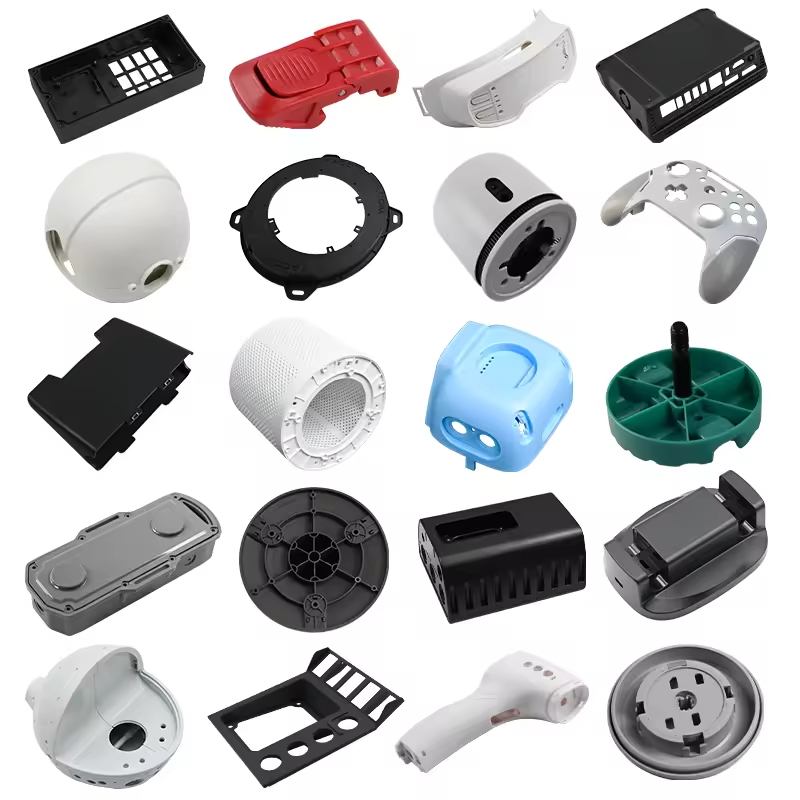
The runner system—the channels that deliver molten plastic from the injection unit to the mold cavities—fundamentally affects your production economics and part quality. For nylon molding, the choice between hot runner and cold runner systems involves careful consideration of material costs, production volume, part requirements, and initial tooling investment.
Understanding Runner Systems
Cold Runner Systems
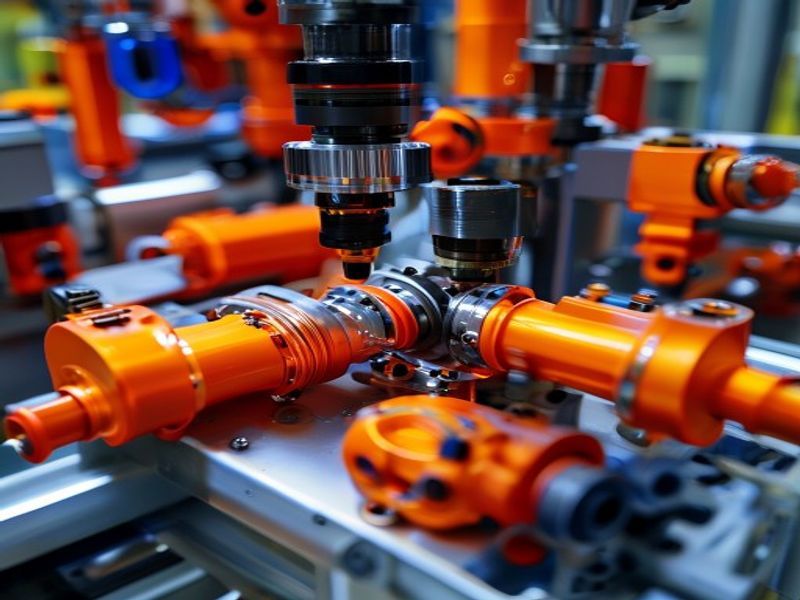
In cold runner molds, the runner channels are part of the mold cavity. Material in the runners solidifies with each cycle and is ejected along with the parts. This runner material must be reground and reprocessed—or discarded—adding cost and complexity. For nylon, cold runners work well for lower-volume production and when color changes are frequent.
ホットランナーシステム
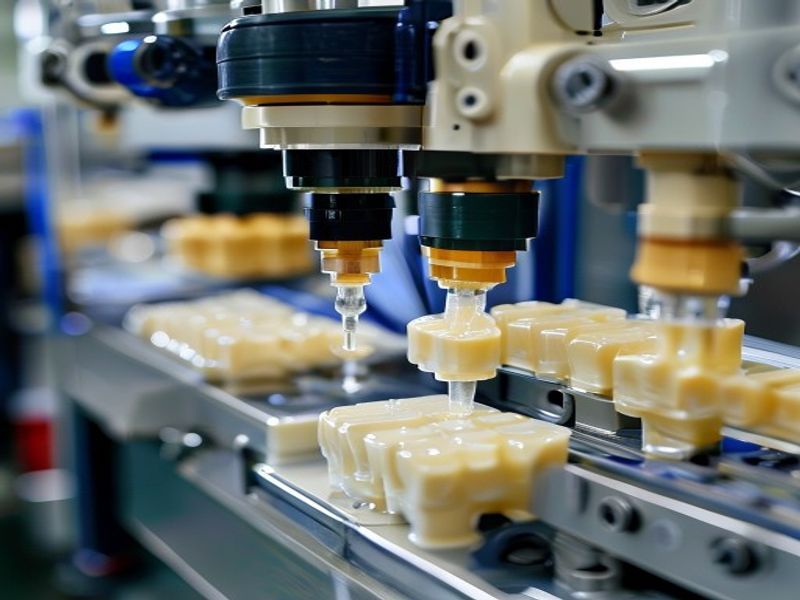
Hot runner systems maintain the material in the runner at molten temperature between cycles. Only the material that enters the cavities solidifies—eliminating runner waste. This provides significant material savings for high-volume production and enables faster cycle times since you don’t need to cool the runners.
Comparison for Nylon Applications
| ファクター | Cold Runner | Hot Runner |
|---|---|---|
| Material waste | 15-40% runner scrap | Minimal (gates only) |
| 金型費 | より低い | Higher (+30-50%) |
| サイクルタイム | もっと長く | Shorter (10-20%) |
| Color changes | 簡単 | Difficult, time-consuming |
| メンテナンス | シンプル | Complex, requires expertise |
| こんな方に最適 | Low-medium volume, multi-color | High volume, single color |
Nylon-Specific Considerations
Thermal Sensitivity
Nylon is sensitive to extended heat exposure. In hot runner systems, material residence time in the manifold must be carefully controlled to prevent degradation. Proper temperature management and appropriate residence time calculations are essential.
水分含有量
Properly dried nylon is critical for hot runner processing. Any moisture in the material causes splay and can lead to degradation in the hot runner system. Ensure material is dried to less than 0.2% moisture content before processing.
Glass-Filled Grades
Glass-reinforced nylons are abrasive and can cause wear in hot runner components—particularly at gates and nozzles. Select hot runner systems with hardened or carbide-lined components for filled materials.
Cost Analysis Example
Consider a 50-gram nylon part with a 30-gram runner (37.5% scrap rate) at $3.50/kg material cost. Cold runner material cost per shot: $0.28. Hot runner material cost per shot: $0.175. Savings per shot: $0.105. At 100,000 cycles: $10,500 in material savings. Hot runner tooling premium: $15,000-25,000. Break-even point: 150,000-250,000 cycles. For production volumes exceeding 250,000 parts, hot runner systems typically deliver better total cost of ownership.
よくあるご質問
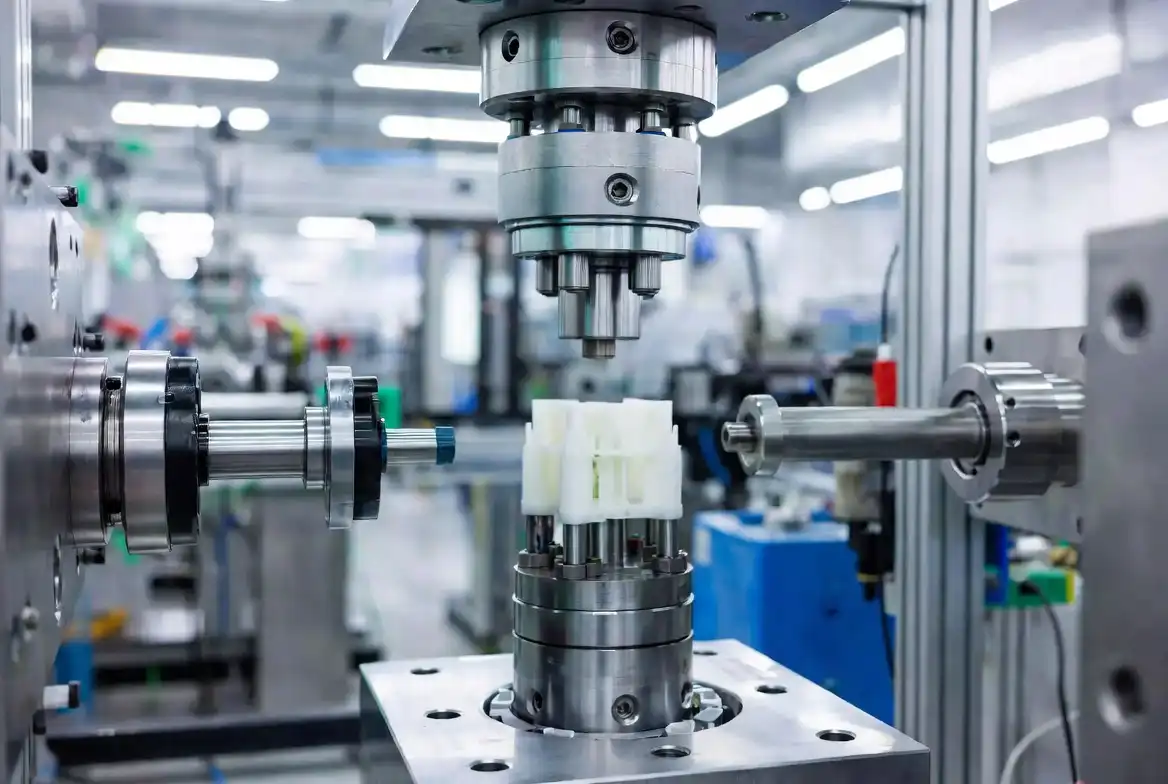
When does Hot Runner vs Cold Runner Systems for Nylon Molding make sense?
Hot Runner vs Cold Runner Systems for Nylon Molding makes sense when the part volume, material choice, geometry, and repeatability needs justify mold design and tooling investment.
What design factors matter most for Hot Runner vs Cold Runner Systems for Nylon Molding?
肉厚、リブ、ボス、抜き勾配、ゲート位置、収縮、パーティングライン、およびエジェクションは、いずれも成形品の品質に影響を与えます。.
金型製作の前に、どのような情報が必要ですか?
サプライヤーは、3Dモデル、材質、予想年間生産数量、外観要件、公差要件、および組み立てや機能試験に関する要件を確認する必要があります。.
What is the biggest risk in Hot Runner vs Cold Runner Systems for Nylon Molding?
最大のリスクは、実際の用途において、材料の挙動、収縮、流動性、および部品の機能が十分に確認される前に、金型を承認してしまうことです。.