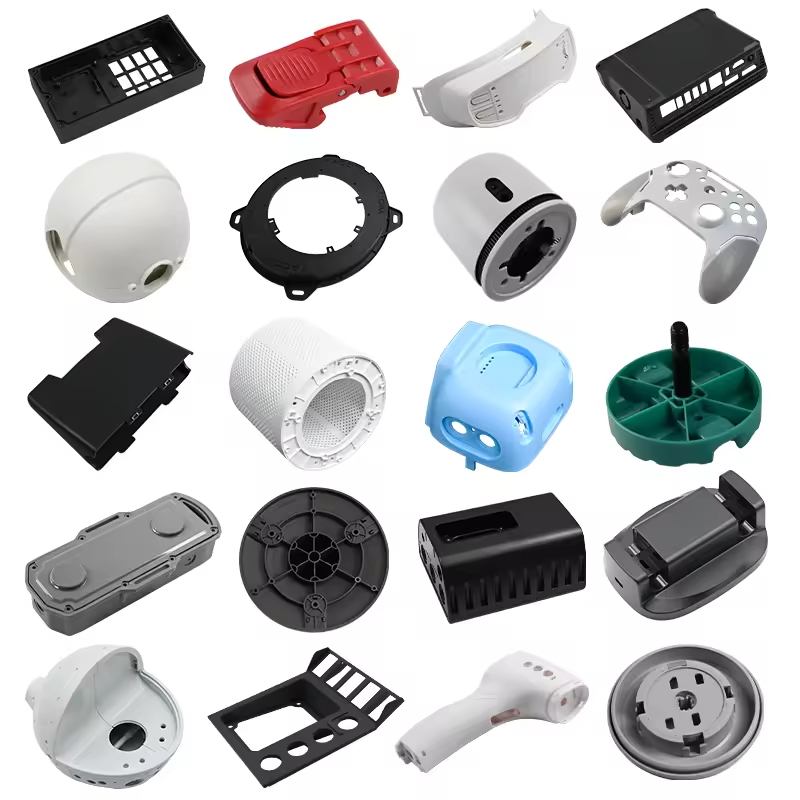
Medical molding compliance is usually decided before the first sample comes off the press. If the resin lot is unclear, the process window is loose, or the documentation trail is weak, the part may pass visually and still fail the program later.
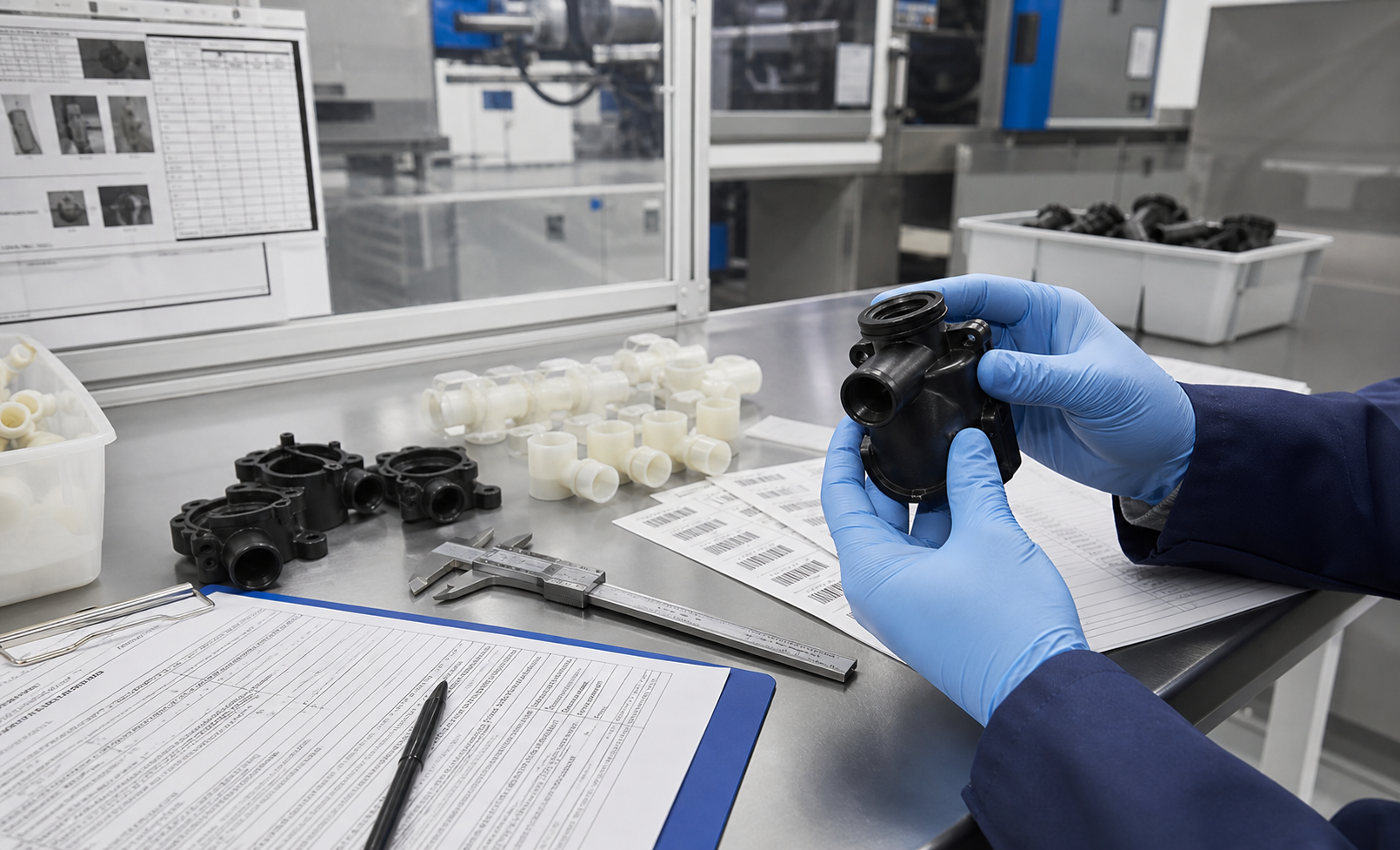
Engineers usually look first at traceability, change control, sterilization exposure, dimensional stability and whether the supplier can prove the same result from lot to lot. That is the real compliance test, not just a clean-looking part on the bench.
概要
| 要件 | What to Confirm | なぜ重要なのか |
|---|---|---|
| Material traceability | Resin batch records and approved source | Essential for regulated part history |
| ドキュメンテーション | Inspection, change control and process records | Supports qualification and audits |
| Sterilization review | Method and exposure conditions | Some plastics degrade or move after sterilization |
| 寸法管理 | Critical features and sampling plan | Medical assemblies often have low tolerance for drift |
| Supplier discipline | Clean handling, segregation and communication | Reduces program risk beyond the part itself |
What Buyers Should Review Before Tooling
Medical plastic molding programs usually begin with more questions than a standard industrial quote. The buyer should define whether the part is patient-contact, device-internal, single-use or repeatedly sterilized, because those conditions change the material and documentation path.
The correct resin is only part of the answer. Process control, approved change procedures and evidence handling are what make a supplier usable in a compliance-driven program.
Core Compliance Checks
- Define the actual device role: internal, external, disposable or reused.
- Clarify sterilization method early: gamma, EtO, steam and other routes affect resin suitability differently.
- Confirm resin source control: not all equivalent trade names are interchangeable in regulated programs.
- Request documentation scope up front: do not assume records will be available later.
- Separate commercial speed from validation discipline: rushed sampling can create downstream approval delays.
Common Supplier Risks and Fixes
| リスク | 原因 | 実用的な解決策 |
|---|---|---|
| Material substitution risk | Supplier treats approved resin as flexible | Lock approved sources and document change control |
| Post-sterilization dimensional drift | Material not reviewed for the real sterilization route | Validate sterilization effect before production signoff |
| Audit weakness | Records are incomplete or inconsistent | Request documentation examples before approving the supplier |
| Assembly yield loss | Critical features not tied to a focused control plan | Define measurement points and acceptance method before tooling trials |
Medical Molding vs General Industrial Molding
Medical molding compliance demands more discipline in documentation, source control and change management than a general industrial plastic program. A supplier who can mold the shape is not necessarily a supplier who can support the compliance burden around it.
なぜナイロンプラスチックを選ぶのか
Nylon Plastic helps buyers evaluate whether a molding route and supplier package are commercially and technically realistic before they commit to the next validation step. That prevents the common problem of approving a capable molder with an incomplete documentation system.
Medical Molding Supplier Evidence Checklist
| Control | Evidence to request |
|---|---|
| Material identity | Exact resin grade, lot traceability, CoA and change notification |
| Process validation | Approved mold, process window, setup record and revalidation trigger |
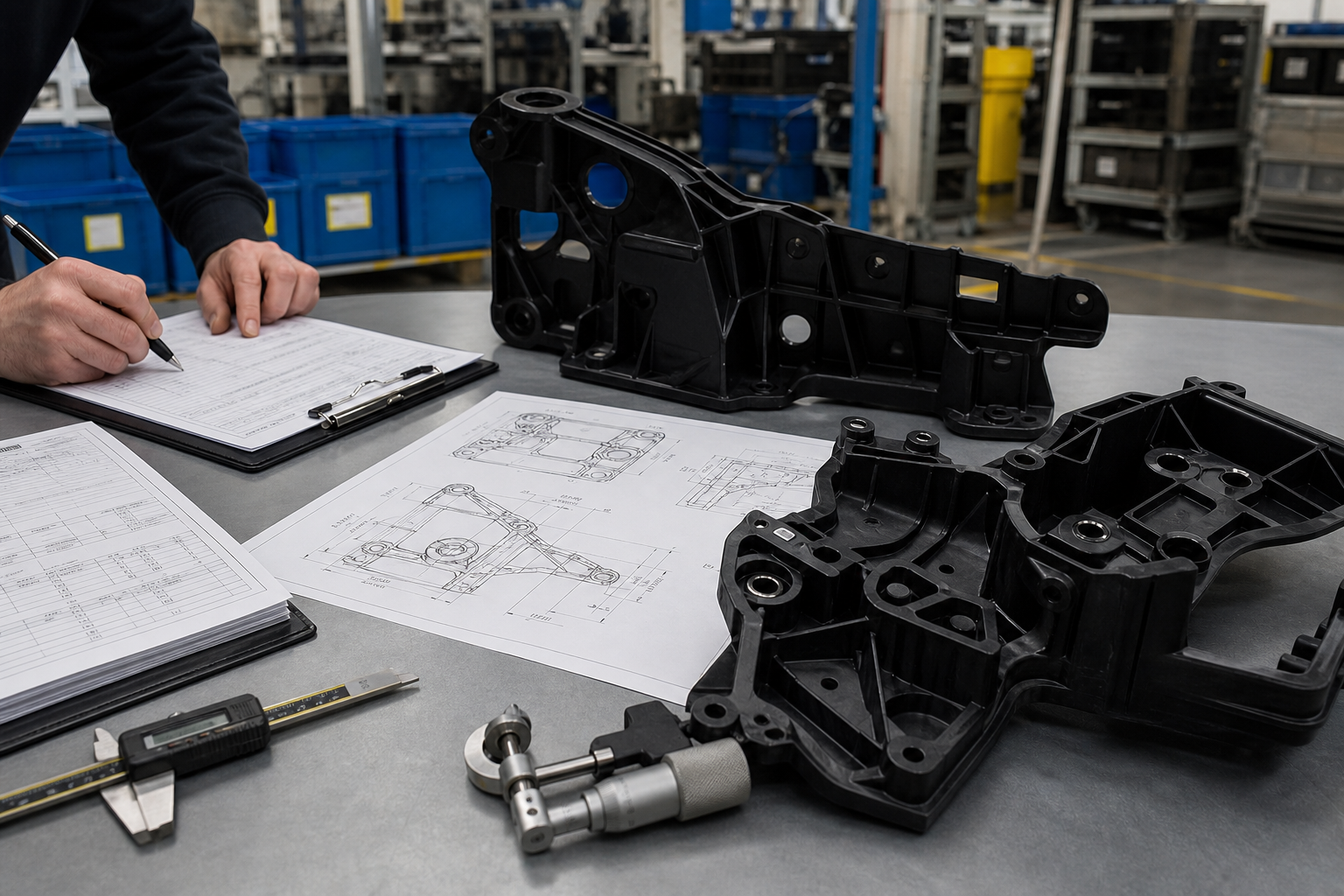
| Inspection | Ballooned drawing, gauge or CMM plan, sampling and nonconformance process |
| Sterilization | Method, cycles, temperature, chemistry and post-sterilization dimensional checks |
Compliance depends on the device risk and intended use, not on the phrase “medical grade” alone. Align the material, tooling, process, inspection and supplier quality records before production release.
関連記事
- FDA-Compliant Plastic Injection Molding
- 医療用プラスチックのCNC加工サービス
- Food-Grade Plastics Compliance Guide
- RoHS and REACH Compliance for Plastic Parts
- カスタム成形プラスチック部品
よくある質問
What does medical molding compliance include?
It includes resin traceability, documentation control, process consistency, sterilization review and supplier change management.
Is material certification enough for a medical molded part?
No. Material certification matters, but supplier records, process control and validation support are also essential.
Why should sterilization be reviewed before tooling?
Because sterilization can affect mechanical properties, dimensions and resin suitability, which changes the molding decision.
Can a general plastic molder support medical parts?
Only if the supplier can support the required documentation and process discipline for the program, not just the molding operation itself.
What should I send for a medical molding review?
Send the drawing, resin target, device role, sterilization method, volume plan and documentation expectations.
Send the part drawing and compliance context if you want help assessing the supplier path before tooling approval.