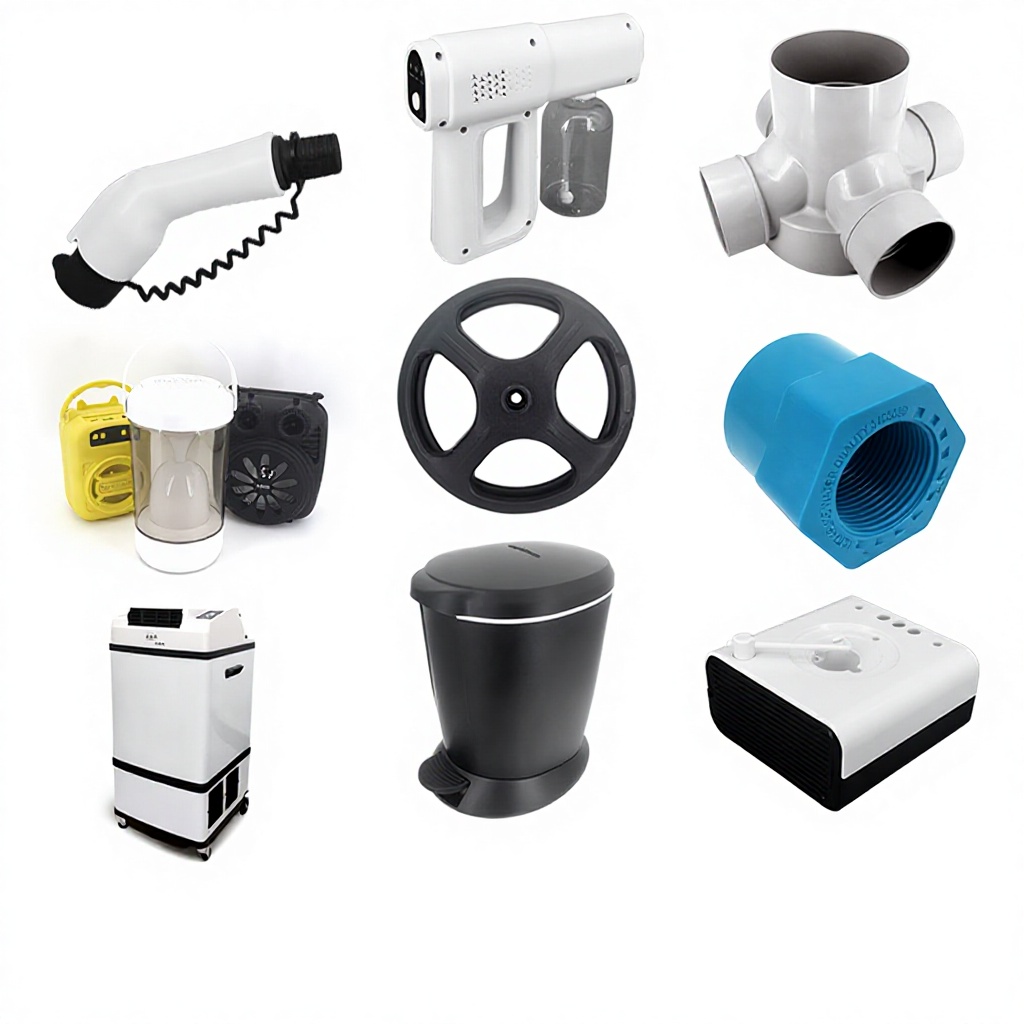
hdpe cnc machining services are a practical route for prototypes, panels, guards, fixtures, tanks, blocks and fluid-handling parts that need chemical resistance and low water absorption without injection-mold tooling.
HDPE is economical and durable, but it is softer and more temperature-sensitive than POM, PET or PEEK. The RFQ should therefore identify the real assembly interfaces and service environment before a tolerance is promised.
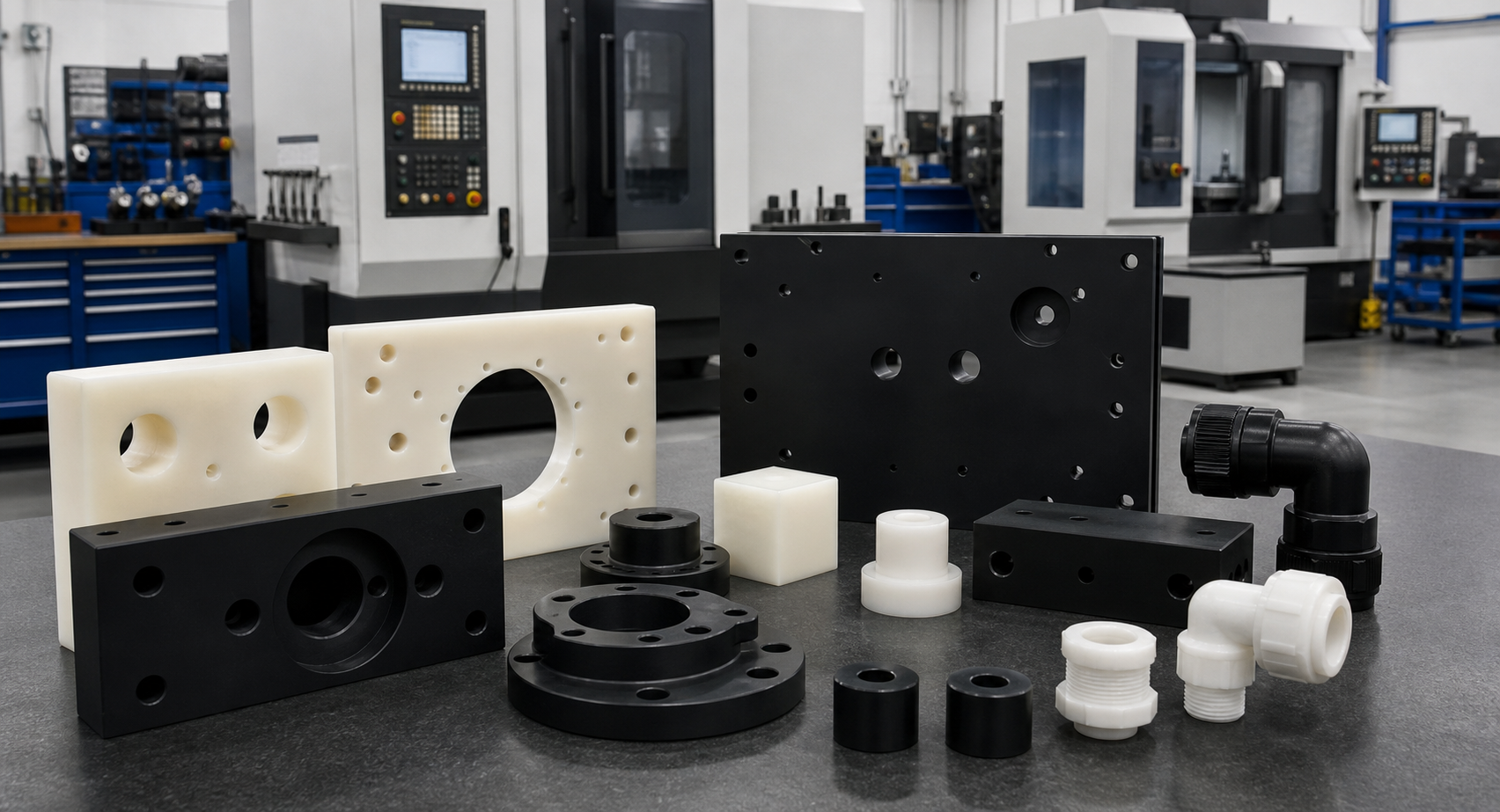
For chemical, food, marine and industrial projects
Where Machined HDPE Creates the Most Value
Use machined HDPE for lower-volume parts, large profiles and changeable designs where corrosion resistance and cost matter more than high stiffness.
- Good fit: panels, guards, spacers, prototypes, fittings and fabricated assemblies
- Key limitation: lower stiffness and higher expansion than precision engineering plastics
- Buying decision: compare machining, fabrication and molding according to geometry and volume
概要
| 決断の分かれ目 | HDPE Takeaway | 購入者への注意事項 |
|---|---|---|
| 耐薬品性 | Strong against many common media | Validate the exact chemical and concentration |
| 水分の挙動 | Very low water absorption | Useful for wet and washdown environments |
| 加工性 | Good with sharp tools and chip control | Support thin or large sections carefully |
| 耐性の安定性 | Moderate rather than metal-like | Identify critical assembly features |
| Cost position | Generally economical | Large stock size and yield still affect price |
How HDPE Grade and Geometry Affect Machining
Natural, black, UV-stabilized and application-qualified HDPE grades are not interchangeable. Outdoor exposure, food contact, welding, color and documentation requirements should be stated before stock is purchased.
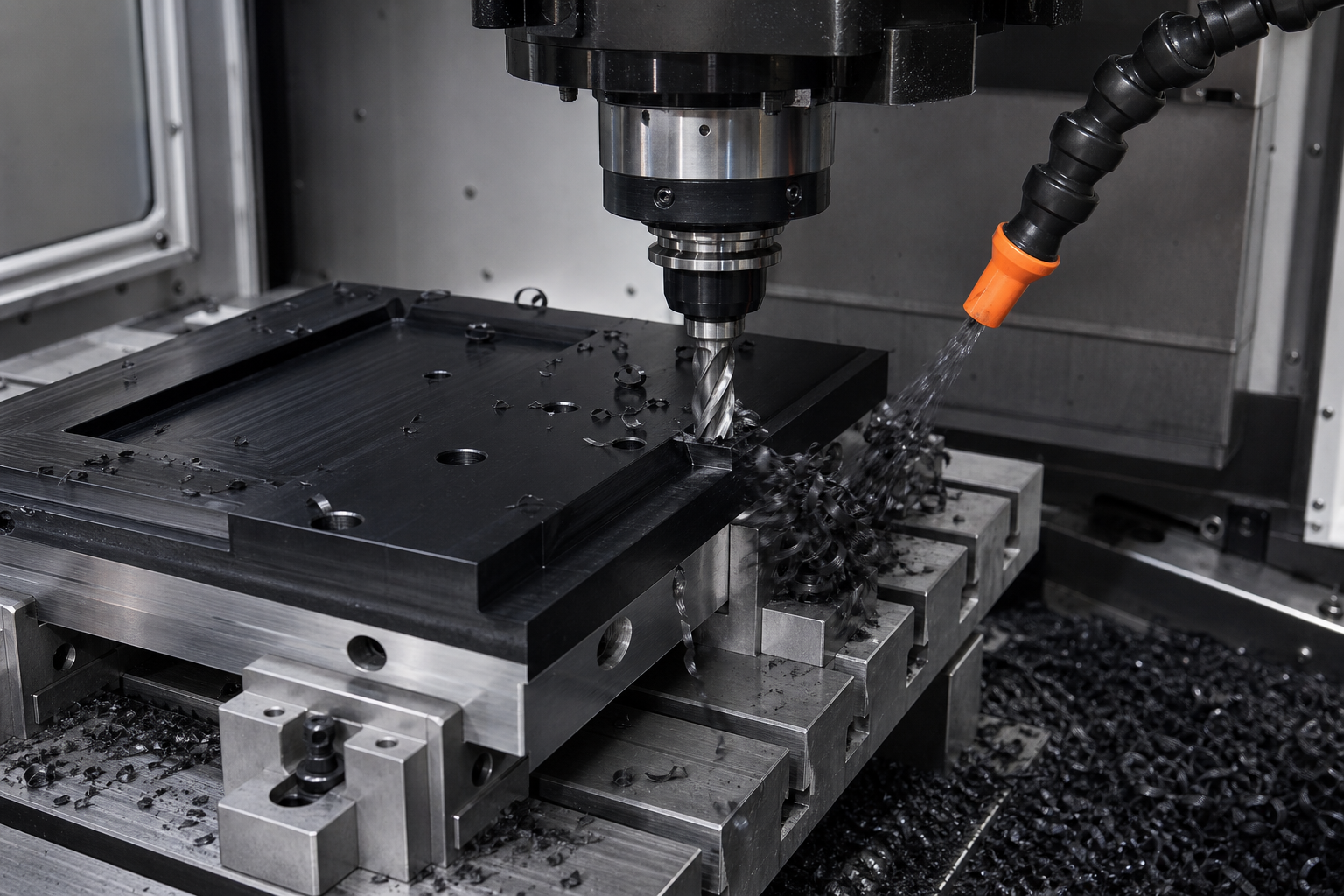
Large panels may move when material is removed, and thin sections can deflect during clamping. Balanced machining, supported fixtures and realistic inspection conditions are especially important for broad flat components.
RFQ Checklist for Custom HDPE Parts
- Specify the grade and color: include UV, recycled-content or food-contact requirements when applicable.
- Identify flatness and sealing surfaces: these features may drive stock and machining strategy.
- State fabrication needs: welding, bending, inserts and assembly can change the best route.
- Define service temperature: HDPE stiffness and dimensions change with heat.
- Share prototype and production quantities: the most economical process may change over time.
Application and Manufacturing Matrix
| 用途 | Recommended Direction | Important RFQ Detail |
|---|---|---|
| Machine guard or panel | CNC-routed HDPE sheet | Panel size, mounting and flatness requirement |
| Chemical handling block | Machined virgin HDPE stock | Media, pressure and sealing geometry |
| Food equipment component | Suitable food-contact grade | Cleaning and documentation requirements |
| Prototype housing or fixture | CNC-milled plate or block | Assembly interfaces and revision plan |
Common Project Risks and Practical Fixes
| リスク | なぜそうなるのか | 実用的な解決策 |
|---|---|---|
| Large panel loses flatness | Unbalanced material removal or unsupported stock | Use balanced machining and realistic flatness limits |
| Threads strip or creep | Fastener load is too high for the material | Use inserts, larger engagement or redesigned fastening |
| Outdoor part degrades | Non-UV grade was selected | Specify UV-stabilized stock and service life target |
| Seal performance is inconsistent | Surface, tolerance and creep were not considered together | Review gasket compression and long-term load |
HDPE Machining vs UHMW and Injection Molding
HDPE is generally stiffer and easier to use for panels and fabricated structures than UHMW, while UHMW is usually preferred for sliding wear and impact contact. Neither should be selected only by price.
For stable high-volume small parts, injection molding may lower unit cost. CNC machining remains attractive for prototypes, larger profiles, lower volumes and programs that still need design changes.
Unsure whether the part should be machined or molded?
Send the model, grade, dimensions, quantity and operating environment. We can compare CNC machining, fabrication and injection molding before you commit.
なぜナイロンプラスチックを選ぶのか
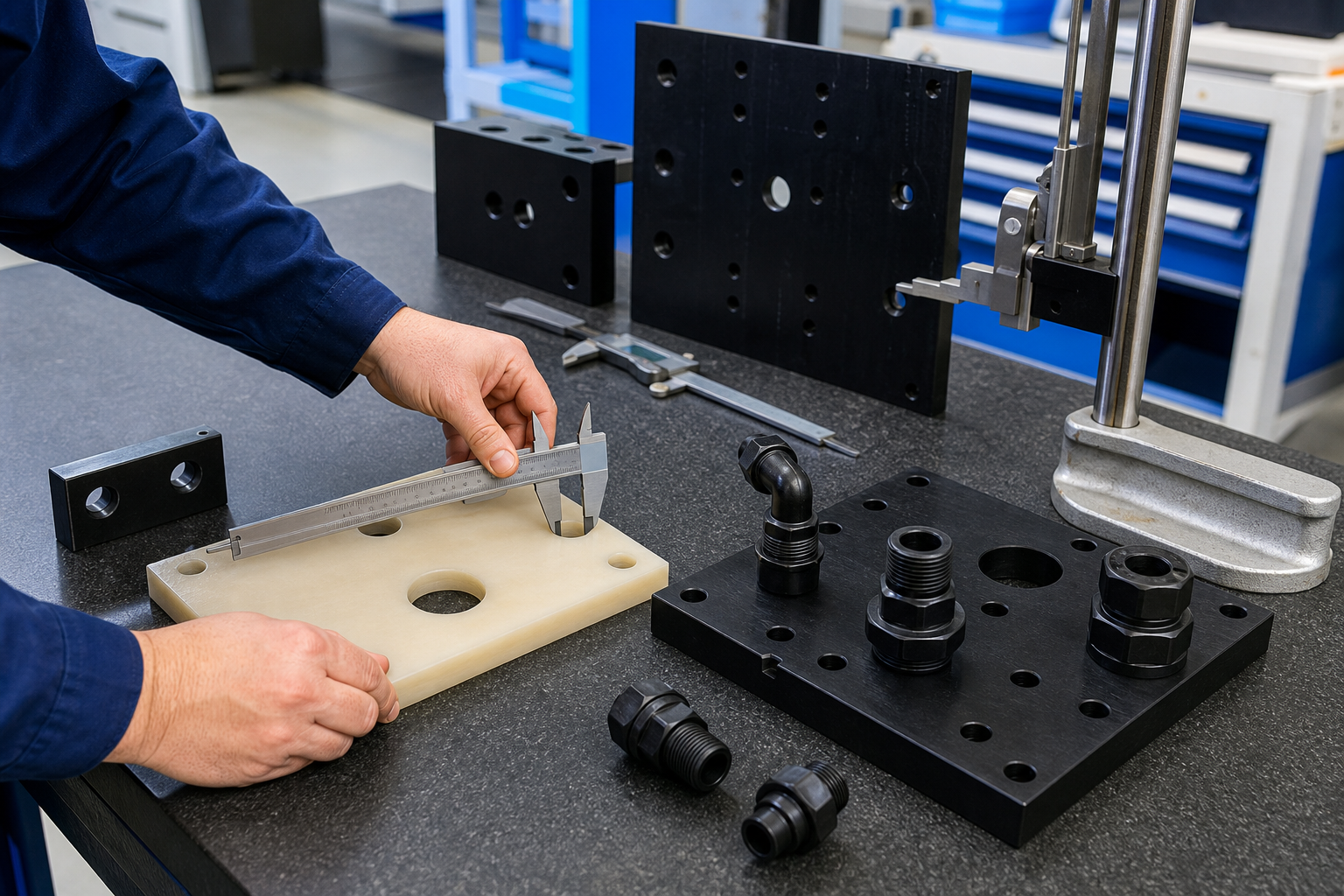
Nylon Plastic supports HDPE stock selection, CNC machining and process comparison for custom industrial parts. That gives buyers one review across material, geometry, volume and downstream assembly.
関連記事
- HDPE Material Guide
- Polyethylene Injection Molding Guide
- HDPE vs UHMW-PE Comparison
- CNC Plastic Milling Services
- CNC加工サービス
よくある質問
What custom parts are made with HDPE CNC machining services?
Common parts include panels, guards, spacers, fittings, blocks, fixtures, prototypes and chemical-handling components.
How accurately can HDPE be machined?
Accuracy depends on part size, geometry and temperature. Critical interfaces can be controlled, but HDPE should not be assigned metal-like tolerances by default.
Is black HDPE suitable for outdoor use?
Many black UV-stabilized grades are intended for outdoor exposure, but the exact stock specification and service target should be confirmed.
Should an HDPE part be machined or injection molded?
Machining suits lower volumes, large profiles and changing designs. Molding becomes attractive for stable smaller parts at repeat volume.
What files are needed for an HDPE RFQ?
Provide a 3D model, drawing, material grade, color, quantity, critical dimensions and operating conditions.