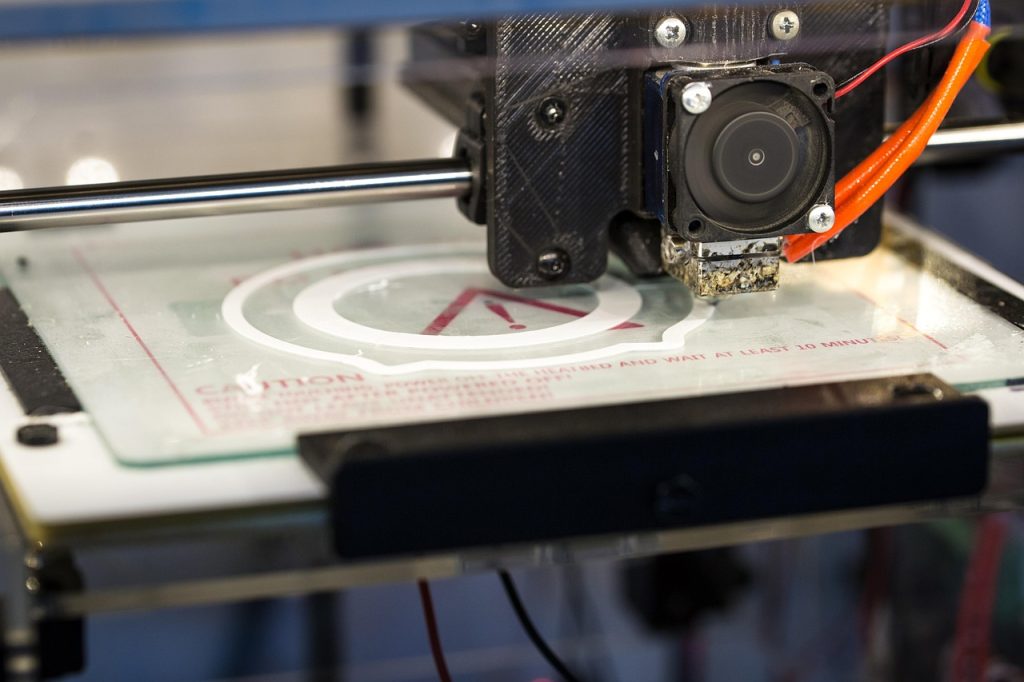
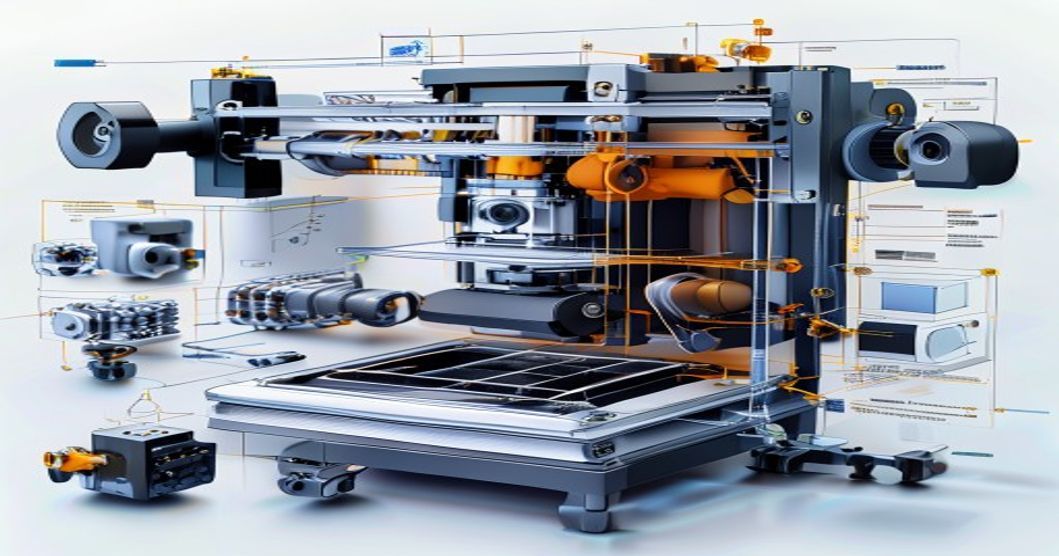
The 3d printer extruder is arguably the most critical mechanical component in any FDM printer. It is responsible for feeding filament into the hot end at a precise, consistent rate, directly determining print quality, material compatibility, and maximum print speed. Whether you are building your first printer, troubleshooting inconsistent extrusion, or planning an upgrade, understanding how extruders work is essential knowledge.
What Is a 3D Printer Extruder
In FDM 3D printing, the extruder assembly performs two primary functions: gripping the filament and pushing it through the hot end at a controlled rate. The term “extruder” can refer to the entire assembly (cold end + hot end) or specifically to the cold end section that feeds filament. In this guide, we use the broader definition covering the complete extrusion system.
Direct Drive vs Bowden Extruders
The first major decision in any extruder setup is the drive configuration. Both systems have passionate advocates and specific strengths.
| 特集 | ダイレクトドライブ | ボーデン |
|---|---|---|
| Motor Location | Mounted directly on print head | Mounted on printer frame |
| Filament Path | Short (~40-60mm) | Long (300-800mm via PTFE tube) |
| Retraction Control | Excellent, short retractions | Requires longer retractions |
| 印刷速度 | Limited by moving mass | Faster, less moving mass |
| Flexible Filaments | Excellent for TPU and flexibles | Challenging, filament buckling |
Direct drive excels with flexible filaments and precise retraction control, making it the preferred choice for TPU, advanced PLA formulations, and print quality-focused setups. Bowden systems reduce the moving mass of the print head, allowing faster print speeds and less ringing on tall prints, but struggle with flexible materials due to filament compression in the long PTFE tube.
Key Components of a 3D Printer Extruder
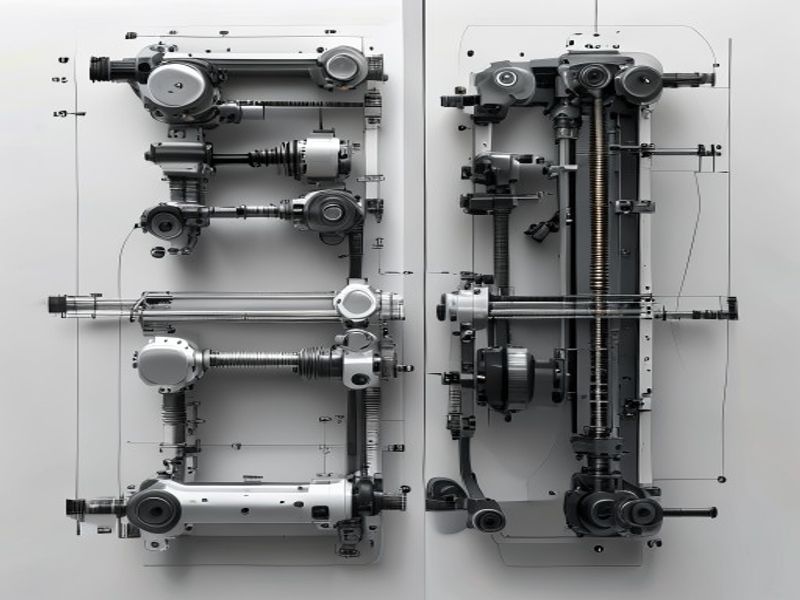
Every extruder assembly contains several critical components that must work together precisely:
- Stepper motor — Typically a NEMA 17 motor providing 40-60 Ncm of torque. Higher torque motors (e.g., 0.9-degree steppers) offer finer extrusion control at the cost of reduced maximum speed
- Drive gear (hobbed gear) — The toothed wheel that grips and feeds filament. Single-drive gears use a bearing opposite the gear; dual-drive gears grip filament from both sides, reducing slippage with soft materials
- Idler tension mechanism — A spring-loaded bearing that presses filament against the drive gear. Tension must be carefully adjusted: too loose causes skipping, too tight deforms filament and increases motor load
- Filament guide path — A precisely machined channel that aligns filament with the drive gear and hot end inlet. Any misalignment causes inconsistent feeding
- Hot end (heat break, heater block, nozzle) — The heated section where filament melts. All-metal hot ends handle higher temperatures (up to 300°C+) for engineering materials; PTFE-lined hot ends are limited to approximately 240°C but offer smoother filament flow
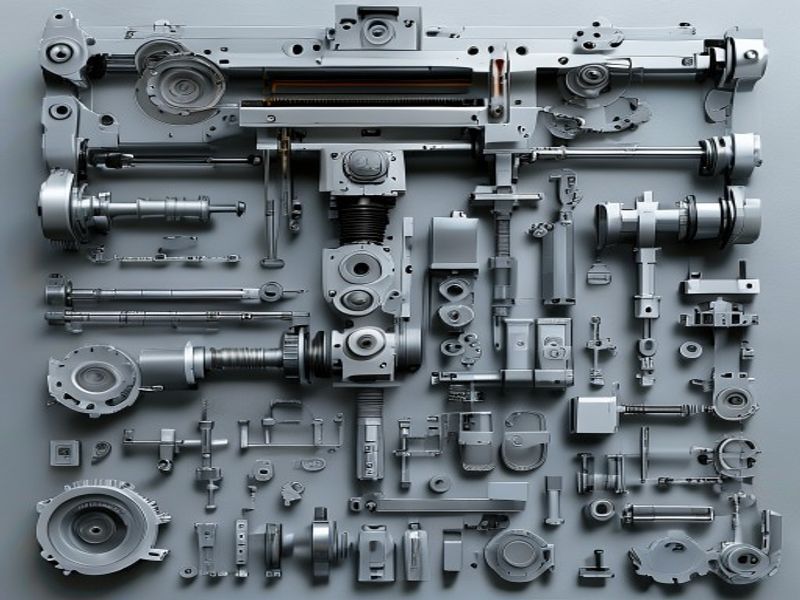
Hot End vs Cold End
The extruder is divided into two thermal zones separated by the heat break. The cold end stays cool (maintains filament rigidity for controlled feeding) while the hot end melts filament for deposition. The heat break (throat) provides the thermal barrier between these zones and is one of the most underrated components in print quality. A poorly designed heat break allows heat creep, where heat travels upward and softens filament prematurely, causing jams that are notoriously frustrating to clear.
Single vs Dual Gear Extruders
Dual-gear extruders grip filament from both sides, distributing drive force more evenly. This configuration offers more consistent feeding, less filament deformation, and reduced risk of grinding soft materials. For PLA+ and other modified filaments that may be slightly softer than standard PLA, dual-gear extruders provide more reliable printing with fewer skipped steps.
3Dプリントやエンジニアリングプラスチックのニーズに、なぜナイロンプラスチックを選ぶべきなのか
エンジニアリングプラスチック分野で10年以上の実績を持つNylon Plasticは、世界中のB2B顧客に高性能素材を供給しています。 当社の製品ラインナップには、ナイロン(PA6、PA66、PA12)、POM、PEEK、およびPLA、PLA+、PETGなどの3Dプリント用フィラメントが含まれます。すべてのロットは、出荷前に直径公差(±0.03mm)、含水率、および機械的特性について検査されています。.
- ISO 9001認証を取得した製造施設
- 競争力のあるB2B価格での大量供給
- 材料選定および印刷パラメータに関する技術サポート
- 複数の倉庫からの迅速な世界配送
- OEMプロジェクト向けに、カスタマイズされた材料配合が可能です
よくあるご質問
When is 3D Printer Extruder Guide: Types, Components and How They Work a good option?
3D Printer Extruder Guide: Types, Components and How They Work is a good option when fast iteration, complex geometry, low tooling cost, or low-volume production is more important than molded-part unit cost.
What should be checked before choosing 3D Printer Extruder Guide: Types, Components and How They Work?
部品サイズ、材料特性、表面仕上げ、寸法公差、熱暴露、荷重方向、後処理が必要かどうかを確認する。.
How does 3D Printer Extruder Guide: Types, Components and How They Work compare with CNC machining?
3Dプリンティングは複雑な形状を素早く作ることができるが、CNC機械加工は精密な表面、より厳しい公差、生産グレードの材料に強いことが多い。.
What affects the cost of 3D Printer Extruder Guide: Types, Components and How They Work?
コストは、材料、造形量、印刷時間、レイヤーの高さ、サポート除去、仕上げ、検査、造形物の部品数によって異なる。.