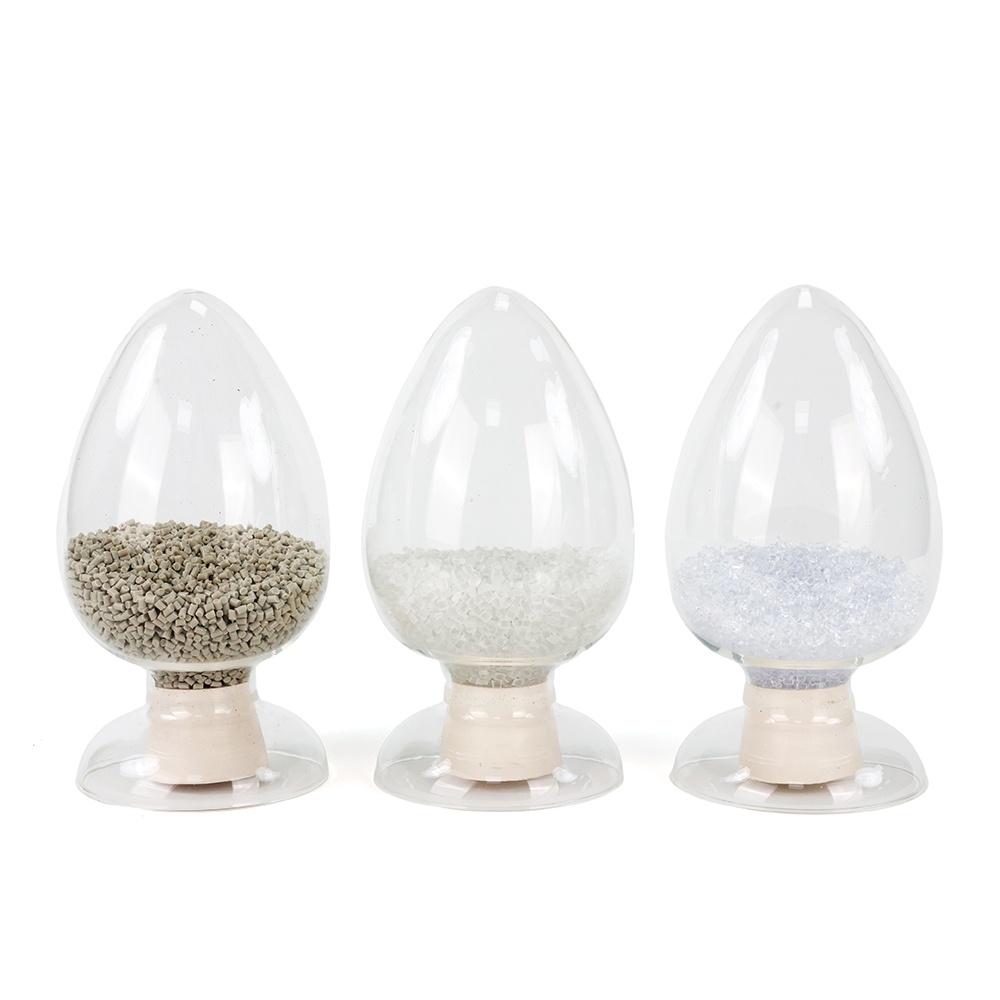
Nylon grades are selected in two steps: first choose the PA matrix, such as PA6, PA66, PA11, or PA12; then choose whether it remains unfilled or receives glass fiber, carbon fiber, impact, flame-retardant, wear, or other modification.
For the main commercial routes, unfilled PA is the baseline, GF20 adds moderate structural reinforcement, and CF30 targets higher specific stiffness or special electrical and dimensional requirements. The highest fiber percentage is not automatically the best grade.
Nylon Grade Selection at a Glance
| First Decision | Common Starting Point | 理由 |
|---|---|---|
| General molded part | Unfilled PA6 or PA66 | Toughness, wear, and processing balance |
| Moderate deflection control | PA-GF20 | More stiffness with a broader balance than higher loading |
| Structural molded part | PA-GF30 | Common stiffness and dimensional-control route |
| High specific stiffness or ESD review | PA-CF30 | Weight, low CTE, or electrical formulation requirements |
| Wet dimensional service | PA12 or qualified modified grade | Lower moisture uptake |
ナイロンファミリーの概要
| グレード | タイプ | 融点 | 湿度(50% RH) | 主な特徴 |
|---|---|---|---|---|
| PA6 | 脂肪族 | 220°C | 2.7% | 耐久性、加工性 |
| PA66 | 脂肪族 | 260°C | 2.5% | 強度、耐熱性 |
| PA11 | バイオ由来 | 185°C | 0.8% | 柔軟性、低水分 |
| PA12 | 脂肪族 | 178°C | 0.7% | 吸湿性が最も低い |
| PA46 | 脂肪族 | 295°C | 3.5% | 最高の耐熱性 |
PA6:汎用性の高い主力素材
PA6は最も広く使用されているナイロングレードであり、ナイロン消費量の約60%を占めています。強度、靭性、加工性のバランスに優れています。.
主要物件
- 引張強度:70~85 MPa
- 優れた耐衝撃性
- 良好な表面仕上げと着色性
- PA66よりも広い加工許容範囲
PA66:高性能の標準
PA66は、PA6に比べて強度と剛性が約10~15%高く、耐熱性にも優れています。過酷な使用条件が求められる用途において、最適な選択肢となります。.
PA11およびPA12:特殊ナイロン
PA11とPA12は、飽和状態でも1%未満という極めて低い吸湿性を特徴としています。これにより、優れた寸法安定性を発揮します。.
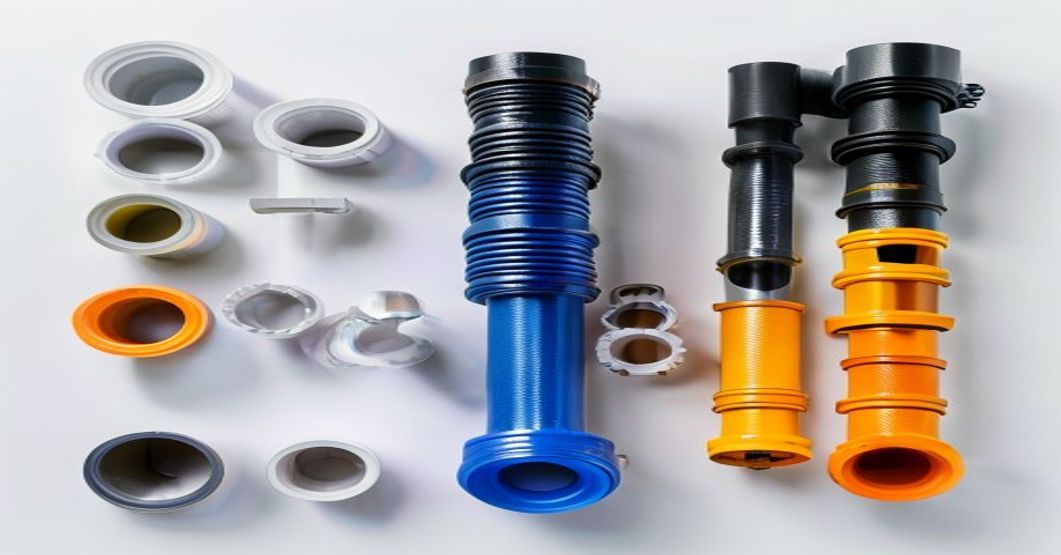
PA46:高温対応のスペシャリスト
PA46(スタニル)は、融点が295°Cであり、あらゆる脂肪族ナイロンの中で最高の耐熱性を備えています。.
Base Resin and Reinforcement Are Separate Decisions
PA6-GF20 and PA66-GF20 share the same glass percentage but not the same moisture response, melting range, heat capability, or processing window. The same applies to PA6-CF30, PA66-CF30, and PA12-CF30. Drawings and purchase orders should identify the complete matrix and modification package.
- Unfilled PA: prioritize toughness, fatigue, wear, surface quality, and easier processing.
- GF20: use when moderate stiffness and lower shrinkage are needed without moving directly to a higher glass loading.
- GF30: use for a common structural balance, with gate, weld-line, and warpage review.
- CF30: use when specific stiffness, low thermal expansion, weight, or an electrical target justifies the premium and processing controls.
選定ガイド
| 要件 | 推奨学年 |
|---|---|
| 汎用、コスト重視 | PA6 |
| 高温(120°C以上) | PA66、PA46 |
| 湿潤・多湿な環境 | PA12、PA11 |
| 最大剛性 | PA66-GF30/50 |
Modified Nylon Grade and Supply Review
Nylon Plastic supplies unfilled and modified PA compounds, with primary article and product support centered on pure PA, PA-GF20, and PA-CF30 routes. Grade review should include the drawing, service conditions, required approvals, annual volume, color, and incumbent specification.
Common Nylon Grade Selection Mistakes
- Writing only “nylon” or “PA” on the drawing without identifying the matrix and modification.
- Comparing dry tensile values while the production part will operate in humid or conditioned service.
- Increasing fiber content before checking whether the real problem is geometry, gate position, weld lines, or creep.
- Choosing CF30 for maximum stiffness when a GF20 compound already meets the functional requirement at lower cost and processing risk.
- Assuming a flame, ESD, heat-stabilized, or approved formulation from the family name instead of the exact grade documentation.
Nylon Grade RFQ Checklist
A complete inquiry should identify the preferred PA matrix, reinforcement percentage, annual volume, drawing revision, color, molding process, service temperature, humidity, chemicals, impact, load duration, dimensional state, and regulatory requirements. Include the incumbent grade and failure mode when the request is a replacement project. This information allows the supplier to compare unfilled PA, GF20, GF30, and CF30 without relying on a generic strength ranking.
How Nylon Plastic Reduces Grade-Selection Risk
Buyers often receive quotations that list a resin family but omit the exact modification, conditioning state, or approval package. Nylon Plastic has worked across material modification and finished-product manufacturing since 2005, allowing one project review to connect grade selection with the intended molding, CNC, or 3D-printing route.
- Product focus: pure PA, PA-GF20, and PA-CF30 can be compared as distinct commercial routes.
- Custom compounding: formulation review is available when standard grades do not meet stiffness, impact, color, wear, flame, or dimensional requirements.
- Manufacturing feedback: gate direction, machining deformation, moisture conditioning, or print orientation can be considered before material approval.
- Buyer documentation: the RFQ can define TDS, COA, compliance, sample, incoming inspection, and lot-approval expectations before volume ordering.
よくある質問
Should I choose PA6 or PA66 for injection molding?
PA6 often provides a broader processing window and good toughness, while PA66 is commonly selected for higher strength and thermal margin. Moisture, impact, geometry, approvals, and exact grade data can change the decision.
When should an unfilled nylon grade be replaced with GF20?
Consider GF20 when the unfilled grade cannot meet deflection, creep, shrinkage, or loaded-temperature targets. Validate impact, weld lines, warpage, surface appearance, and tool wear before approval.
What is the difference between GF20 and CF30 nylon?
GF20 uses approximately 20% glass fiber and is generally a more cost-effective moderate reinforcement. CF30 uses approximately 30% carbon fiber and targets higher specific stiffness, lower thermal expansion, or electrical behavior, depending on the formulation.
What must a nylon grade RFQ include?
Include the PA matrix, reinforcement or modification, drawing, volume, service temperature, humidity, chemicals, load, impact, tolerances, color, flame rating, and regulatory requirements.
関連記事
Request a Nylon Grade Review
Send the drawing, current material, target properties, annual volume, and operating environment. We can compare the matrix and modification separately before recommending unfilled PA, GF20, GF30, or CF30.